




What's Happening?
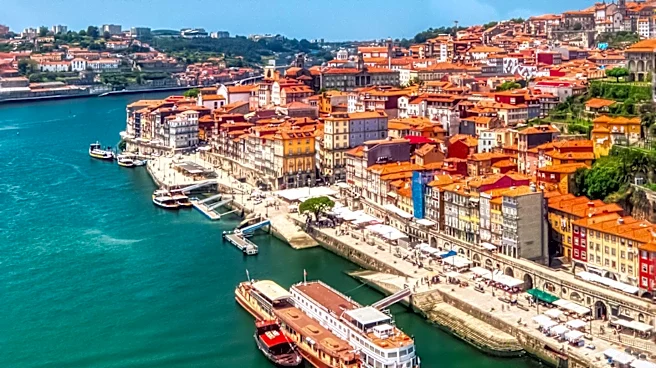
Portugal's official tourism organization, Turismo de Portugal, is actively promoting Lisbon and Porto as prime locations for short-break holidays. This strategy aims to attract travelers with limited time by offering a diverse range of experiences within
a compact and manageable urban setting. Lisbon, the capital, is highlighted for its historic neighborhoods, museums, monuments, viewpoints, restaurants, and river scenery. It is described as welcoming, safe, and relatively small, yet offering a substantial array of activities. Similarly, Porto serves as a strategic base in northern Portugal, providing access to nearby attractions like Braga, Guimarães, Gerês National Park, Arouca Geopark, and the Douro Valley. The initiative emphasizes combining sightseeing, Portuguese gastronomy, entertainment, and distinctive riverside settings without requiring extensive itineraries. The mild conditions of autumn and spring are also noted as seasonal advantages, extending the appeal of these short breaks beyond the traditional summer season. This approach allows visitors to explore city experiences, heritage attractions, natural landscapes, or coastal excursions efficiently.
Why It's Important?
This tourism strategy is important for Portugal's economy, particularly in boosting its travel and hospitality sectors. By focusing on short breaks, Turismo de Portugal aims to increase visitor numbers and extend the tourism season beyond peak summer months, leading to more consistent revenue streams for businesses in Lisbon and Porto. The emphasis on manageable itineraries and diverse offerings caters to a broader demographic of travelers, including those with limited vacation days, potentially increasing repeat visits. For U.S. travelers, this means more accessible and efficient options for experiencing Portuguese culture, history, and cuisine without committing to a lengthy trip. The promotion of nearby UNESCO World Heritage sites like Sintra and Évora, accessible as day trips from Lisbon, further enhances the value proposition, allowing tourists to maximize their cultural immersion. This strategic positioning could also influence airline routes and travel package developments, making Portugal an even more attractive destination for U.S. tourists seeking condensed, high-quality travel experiences.
What's Next?
Turismo de Portugal will likely continue to refine its marketing campaigns to highlight the ease and richness of short breaks in Lisbon and Porto, potentially targeting specific international markets, including the U.S. The organization's focus on combining urban exploration with accessible day trips to heritage sites and natural parks suggests future collaborations with local tour operators and transportation services to create seamless travel experiences. Travelers planning such trips should anticipate checking individual attraction admission prices, opening hours, and ticket requirements, as the official guide serves as an inspiration rather than a combined package. The ongoing promotion of seasonal appeal, particularly in autumn and spring, indicates a sustained effort to balance tourist flow throughout the year. This could lead to increased investment in infrastructure and services to support year-round tourism, ensuring that both cities and their surrounding regions can accommodate a growing number of visitors efficiently.
Beyond the Headlines
The strategic promotion of short breaks in Lisbon and Porto reflects a broader trend in global tourism towards more flexible, experience-driven travel. This approach acknowledges the changing travel habits of individuals who may prefer multiple shorter trips over one extended annual vacation. By emphasizing the compact nature and diverse offerings of these cities, Portugal is tapping into a market that values efficiency and variety. This could lead to a shift in how travel is consumed, with a greater focus on curated, thematic itineraries rather than exhaustive sightseeing. Furthermore, the integration of cultural, gastronomic, and natural experiences within a short timeframe highlights a growing demand for authentic and immersive travel. The success of this model could influence other European destinations to adopt similar strategies, fostering a competitive environment for attracting short-stay visitors and potentially leading to more sustainable tourism practices that distribute economic benefits more evenly across different regions and seasons.