







What's Happening?
Air Canada, Canada’s largest airline, has chosen Traverse to support direct booking for corporate travelers through its digital channels. This partnership will specifically aid Air Canada Embarq, a new self-service business travel platform designed for Canadian
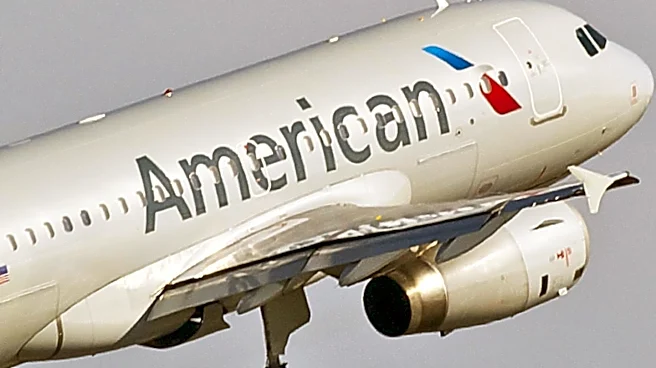
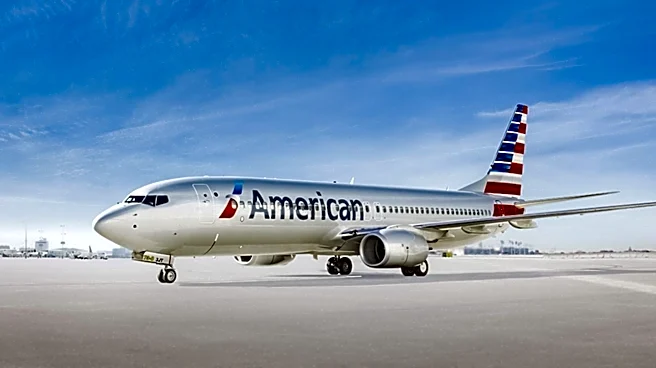
small and medium-sized enterprises (SMEs) and nonprofit organizations. The collaboration aims to provide a more connected and flexible experience for business travelers. According to Chuck Fischer, Chief Airline Retailing Officer at Airlines Reporting Corporation (ARC), direct booking is a crucial component of an omnichannel travel program, allowing businesses to maintain necessary visibility and controls. Francois Choquette, Head of Global Sales at Air Canada, emphasized the airline's focus on making business travel more efficient and rewarding for customers, valuing Traverse's partnership in achieving a more flexible experience for both travelers and their companies. Air Canada joins a list of other major travel brands, including Aeromexico, Alaska Airlines/Hawaiian Airlines, American Airlines, Choice Hotels, Delta Air Lines, United Airlines, and WestJet, that utilize Traverse solutions.
Why It's Important?
This development is significant for the U.S. business travel sector due to the interconnectedness of the North American economy and the frequent cross-border business activities between the U.S. and Canada. While Air Canada is a Canadian airline, its enhanced corporate booking capabilities can influence U.S. businesses with operations or travel needs in Canada, potentially streamlining their travel management processes. The adoption of direct booking solutions like Traverse by a major airline like Air Canada sets a precedent that could encourage similar advancements in U.S. airlines' corporate offerings, impacting how U.S. companies manage their travel expenses and policies. Businesses stand to gain from increased convenience, better tracking of expenditures, and the ability to apply corporate travel policies more effectively, regardless of whether their employees book directly or through managed channels. This move also highlights a broader industry trend towards integrating direct booking into comprehensive travel programs, which could lead to more competitive and flexible options for U.S. corporate travelers.
What's Next?
In the future, Air Canada Embarq, supported by Traverse, plans to enable companies to use corporate forms of payment and apply their specific travel policies to direct bookings. This will further enhance the control and visibility businesses have over their travel expenditures. The continued integration of Traverse solutions by major airlines suggests a trend towards more sophisticated direct booking platforms that cater to the nuanced needs of corporate travel. This could lead to other U.S. airlines exploring similar partnerships or developing their own advanced direct booking systems to remain competitive. For U.S. businesses, this means potentially more streamlined and cost-effective travel management options when dealing with Canadian carriers, and possibly a push for similar features from their preferred U.S. airlines. The evolution of these platforms will likely focus on balancing traveler convenience with corporate oversight and cost efficiency.
Beyond the Headlines
The partnership between Air Canada and Traverse reflects a deeper shift in the corporate travel landscape, moving towards greater autonomy for travelers while maintaining essential corporate controls. This trend challenges traditional travel management company models by offering direct channels that integrate policy enforcement and expense tracking. The ethical implication lies in balancing employee flexibility and satisfaction with corporate accountability and cost-saving measures. Legally, the use of corporate forms of payment and policy application through direct booking platforms will require robust data security and compliance frameworks, especially concerning cross-border transactions and privacy regulations. Culturally, this shift could empower business travelers with more choice and convenience, potentially increasing job satisfaction, while also demanding more sophisticated internal systems from companies to manage and audit these direct bookings effectively. This evolution signifies a move towards a more integrated and technologically driven approach to corporate travel management.