


What's Happening?
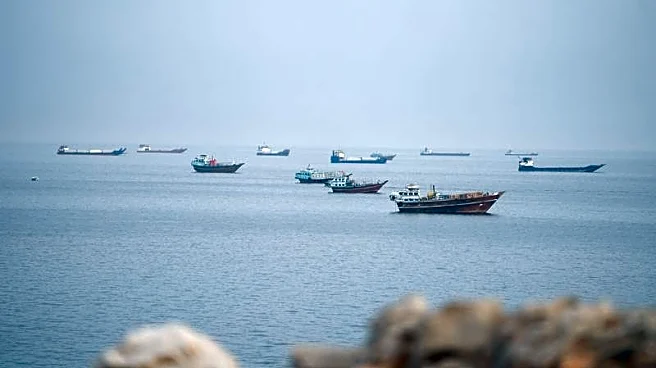
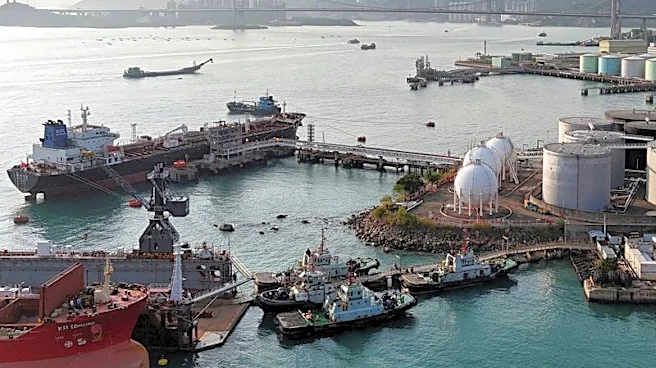
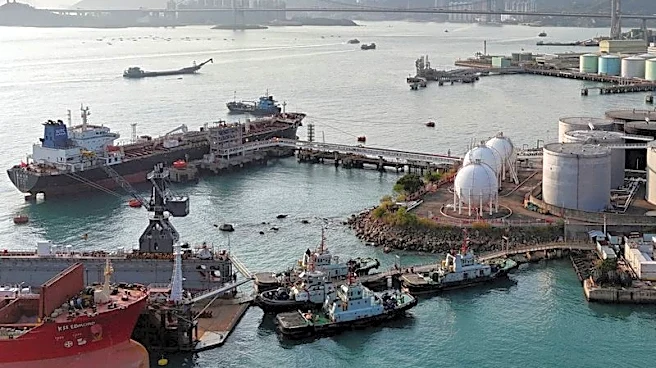
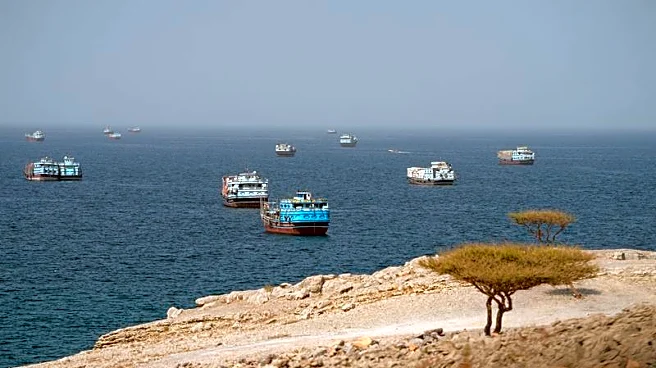
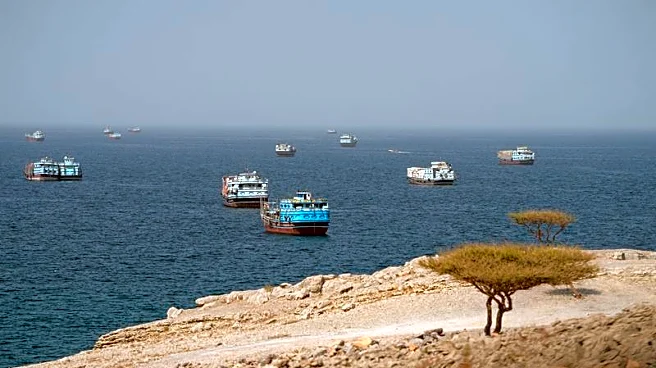
Despite ongoing attacks on oil tankers near the Strait of Hormuz, the global oil market is currently well-supplied with crude. Saudi Arabia, the de facto leader of OPEC, reported pumping 10.5 million barrels a day in October, a level reached only once
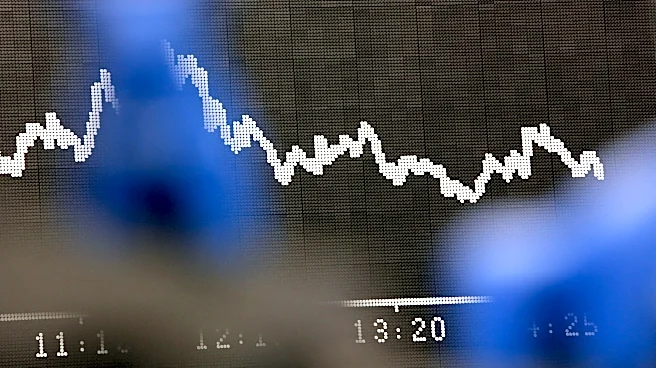
since 2022. Iraq and Kuwait have also significantly increased their production, and the United Arab Emirates is now free from OPEC quotas, allowing it to pump at will. This ample supply has put downward pressure on oil prices, with futures dropping almost 25% for the month at one point, easing inflation concerns globally. Prices for physical cargoes have also fallen as producers compete for customers. While shipping remains under threat and Iranian media claims attacks on navigational equipment, Gulf shipments have remained healthy. The International Energy Agency (IEA) noted that oil supply is now outpacing demand for the first time since the Iran war began, with rising production from the U.S., Brazil, and Guyana contributing to global market cushioning.
Why It's Important?
The current abundance of oil supply, despite geopolitical tensions and attacks in a critical shipping lane, has significant implications for the global economy and U.S. consumers. Lower oil prices can help alleviate inflationary pressures, providing relief for businesses and households. For the U.S., increased domestic crude output, which topped 14 million barrels a day for the first time, contributes to energy independence and reduces vulnerability to Middle East instability. However, the precarious nature of the situation, with ongoing attacks and potential disruptions, means that this stability could be short-lived. The resilience of the oil industry in maintaining flows, even under threat, demonstrates its adaptability but also highlights the inherent risks. The shift in market dynamics, where supply now outstrips demand, could influence future OPEC+ decisions and global energy investment strategies, potentially leading to a more competitive market environment for producers.
What's Next?
The oil market will likely continue to be influenced by the delicate balance between robust supply and geopolitical risks in the Strait of Hormuz. Producers like Saudi Arabia and Abu Dhabi National Oil Co. have already cut prices to attract buyers, indicating a competitive market. Future oil prices will depend on the durability of current supply levels, any further escalation of attacks in the Gulf, and global demand trends, particularly from major consumers like China and Europe. Efforts to rebuild depleted stockpiles could limit how far prices fall. The industry will also be watching for any changes in shipping costs, which remain historically elevated despite some easing. The ongoing situation could prompt further discussions on diversifying energy supply chains and enhancing maritime security measures to protect critical infrastructure and trade routes.
Beyond the Headlines
The current market situation reveals a complex interplay between geopolitical conflict, technological resilience, and global economic forces. The ability of the oil industry to maintain supply despite significant threats underscores the strategic importance of energy and the lengths to which nations and corporations will go to ensure its flow. This resilience, however, comes at a cost, as the Iran war has reportedly cut global oil consumption by about three million barrels a day, indicating that the market's rebalancing is partly due to curtailed demand. This highlights a less obvious implication: while supply is ample, it's partly a reflection of reduced economic activity in certain sectors or regions due to ongoing conflicts. The situation also raises questions about the long-term sustainability of relying on volatile regions for a significant portion of global energy supply and could accelerate investments in alternative energy sources and more secure trade routes.