




What's Happening?
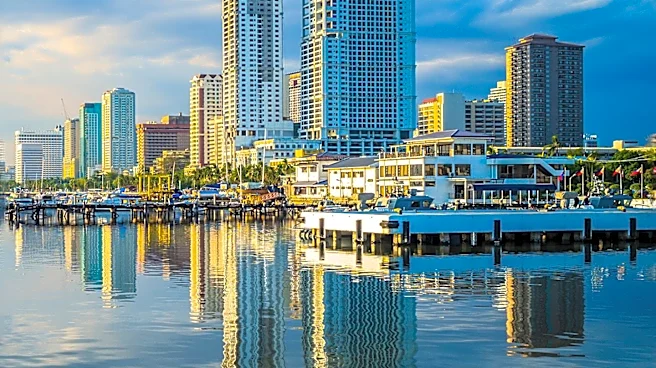
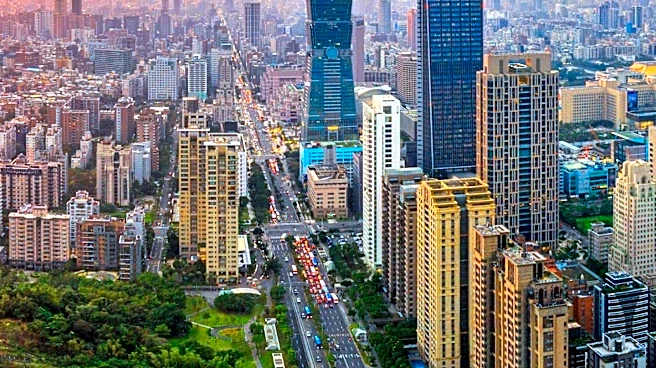
Taiwan is actively working to establish a 'Taiwan-Philippines Economic Corridor' as part of a broader strategy to reduce its economic reliance on the Chinese mainland. This initiative, championed by Foreign Minister Lin Chia-lung, aims to strengthen economic ties
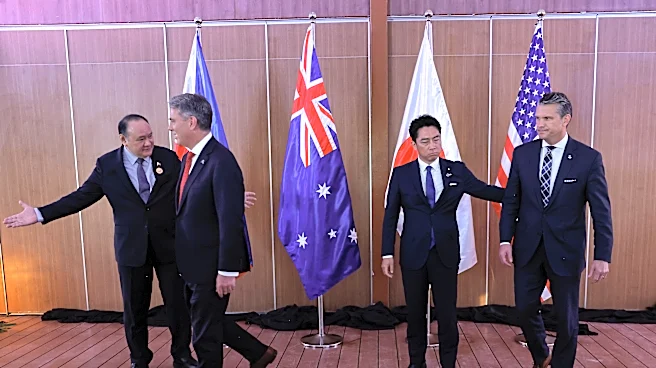
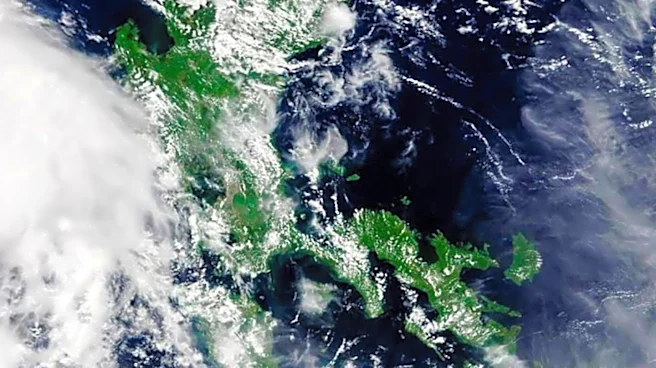
with the Philippines by leveraging Taiwan's capital and technological expertise with the Philippines' abundant land and skilled workforce. The effort includes plans to open a second Taipei Economic and Cultural Office (TECO) in Cebu Province and is complemented by the Philippines' opening of its largest overseas Filipino worker (OFW) service center in Taipei. This push is not new, echoing previous 'go south' policies from the 1990s and 2016, but has gained momentum with the election of Ferdinand 'Bongbong' Marcos Jr. as president of the Philippines in 2022, leading to eased restrictions on unofficial exchanges with Taiwan. The 'Taiwan-Philippines Economic Corridor' is also intended to link with the U.S.-Japan-Philippines 'Luzon Economic Corridor' to build more resilient supply chains.
Why It's Important?
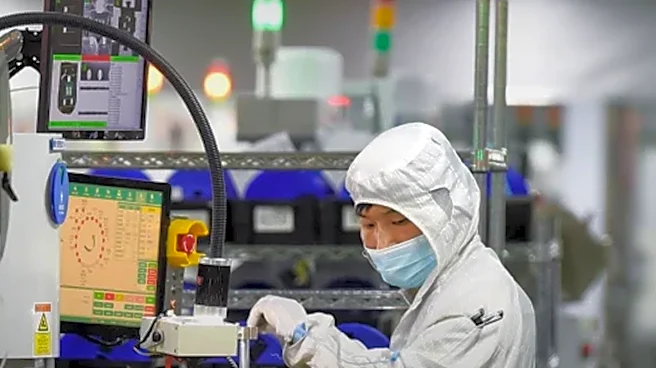
This strategic pivot by Taiwan holds significant implications for U.S. economic and geopolitical interests in the Indo-Pacific. By diversifying its economic partnerships away from the Chinese mainland, Taiwan aims to enhance its economic security and resilience, which aligns with U.S. objectives of promoting a free and open Indo-Pacific. The collaboration with the Philippines, a key U.S. ally, strengthens regional supply chains and reduces vulnerabilities to geopolitical pressures. For U.S. businesses, this corridor could open new investment opportunities and create more stable manufacturing bases, particularly in critical sectors like semiconductors and technology, reducing reliance on potentially volatile regions. The initiative also supports the U.S.-led Pax Silica initiative, which seeks to build a secure AI ecosystem among aligned partners. A stronger, more diversified Taiwanese economy, less dependent on the Chinese mainland, contributes to regional stability and indirectly supports U.S. strategic interests in the region.
What's Next?
Taiwan is expected to continue its diplomatic and economic outreach to the Philippines, with further investments and collaborations anticipated in manufacturing, technology, and human capital development. The establishment of additional TECO offices and OFW service centers will facilitate these exchanges. The success of the 'Taiwan-Philippines Economic Corridor' will depend on the Philippines' ability to improve its investment environment and the sustained political will from both sides. This initiative will likely be closely watched by the Chinese mainland, which views Taiwan as a breakaway province, and could lead to increased diplomatic maneuvering in the region. The U.S. and Japan are likely to continue their support for such regional economic integration efforts, as they align with their broader strategies for counterbalancing the Chinese mainland's influence and strengthening regional alliances. The long-term goal is to create a more robust and resilient economic network in Southeast Asia.
Beyond the Headlines
The 'Taiwan-Philippines Economic Corridor' represents more than just an economic initiative; it is a strategic move to bolster Taiwan's international standing and reduce its vulnerability to the Chinese mainland's economic and political leverage. By fostering deeper ties with the Philippines, Taiwan is not only securing alternative supply chain partners but also building a network of like-minded democratic partners in the region. This effort highlights the growing trend of 'de-risking' and 'friend-shoring' in global trade, where geopolitical considerations increasingly influence economic decisions. The emphasis on human capital, with Filipino engineers and technicians being trained in Taiwan, suggests a long-term vision for shared prosperity and technological advancement. This initiative could serve as a model for other nations seeking to diversify their economic relationships and build resilience in an increasingly complex global environment, ultimately shaping the future of U.S. engagement in the Indo-Pacific.