




What's Happening?
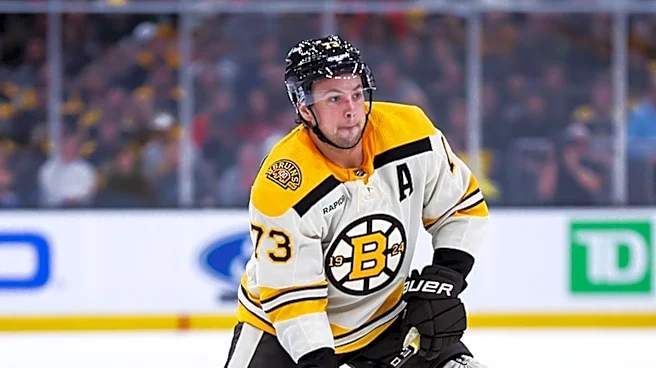
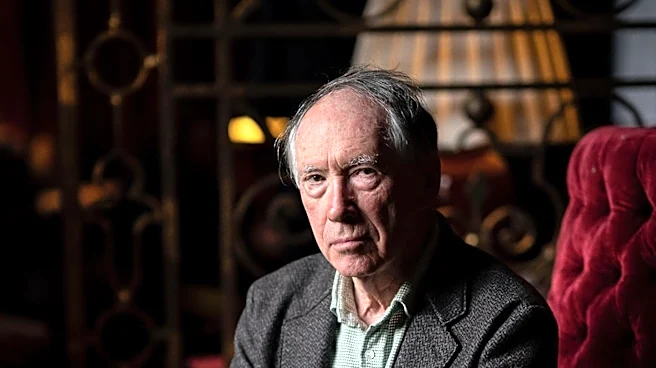
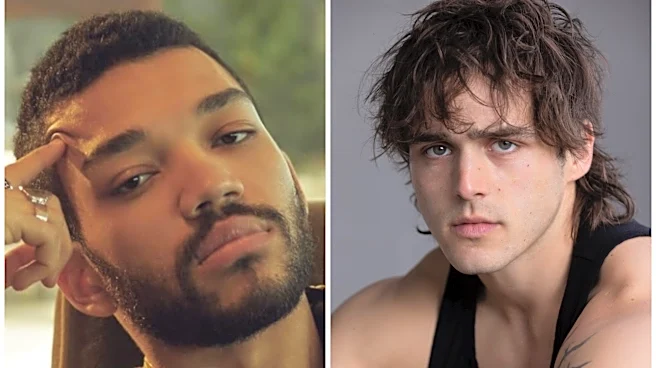
Rachel Reid, the author of the novels that inspired the TV series 'Heated Rivalry,' has responded to criticism regarding the casting choices for the show's second season. The controversy arose after the announcement that Charlie Gillespie and Justice
Smith would portray Troy Barrett and Harris Drover, respectively. Some fans expressed dissatisfaction with the casting of Smith, arguing that his physique did not match the character's description in the books. Reid addressed these concerns on Instagram, recalling similar criticisms from the previous season. The show's creators, including showrunner Jacob Tierney, have defended the casting, emphasizing the actors' ability to capture the characters' depth and resilience. The series, which airs on HBO Max, is set to begin filming its second season, with a release planned for spring 2027.
Why It's Important?
The casting decisions for 'Heated Rivalry' highlight ongoing discussions about representation and fidelity to source material in adaptations. The backlash underscores the challenges producers face in balancing fan expectations with creative vision. This situation reflects broader industry trends where casting choices can significantly impact a show's reception and success. The defense by the show's creators suggests a commitment to artistic interpretation over strict adherence to physical descriptions, which could influence future casting decisions in the industry. The outcome of this controversy may affect viewership and the show's reputation, impacting its commercial success and the careers of those involved.
What's Next?
As 'Heated Rivalry' prepares for its second season, the production team will likely continue to address fan concerns and promote the series' strengths. The response to the casting controversy may influence marketing strategies and viewer engagement efforts. Additionally, the show's reception upon release will be closely watched to assess the impact of the casting decisions. The industry may also observe this case as a reference for handling similar situations in future adaptations. The series' success could pave the way for more flexible casting practices, while failure might reinforce the importance of aligning closely with fan expectations.