





What's Happening?
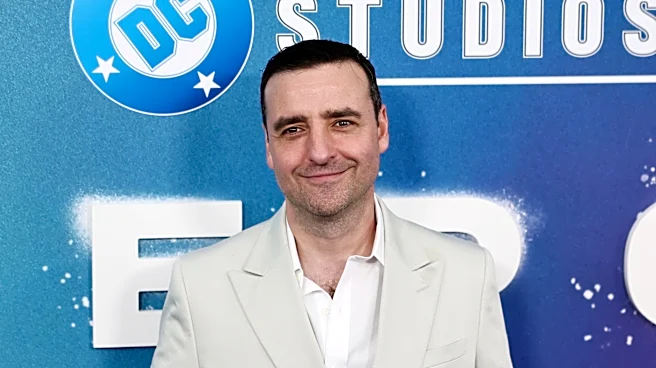
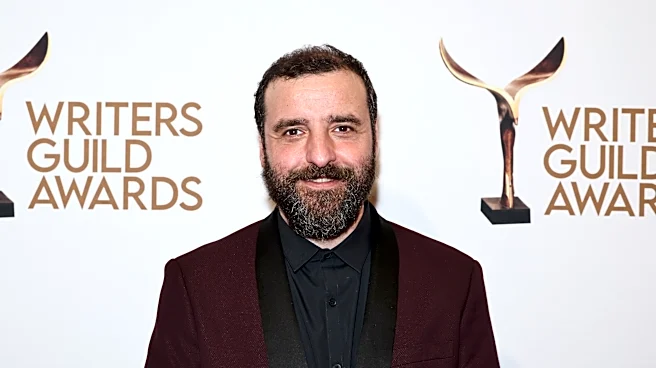
Actress Jamie Lee Curtis has publicly supported actor David Krumholtz following his clarification regarding a temporary pause in his acting career. Krumholtz initially posted a downbeat social message, which many interpreted as him quitting acting. He
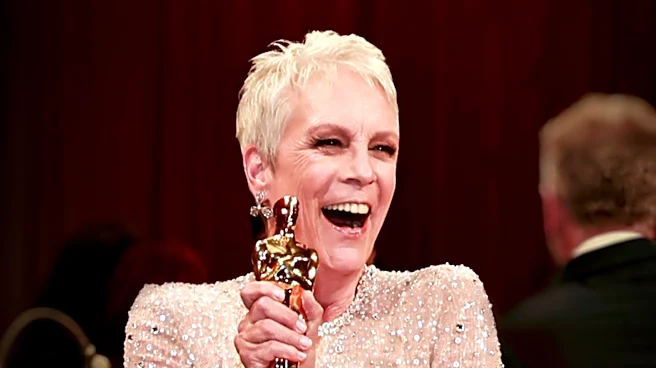
later clarified on Instagram that he was merely putting his career on hold to focus on his mental health and explore the next chapter of his life, emphasizing that he never used the words 'retiring' or 'quitting.' Curtis responded with a lengthy and thoughtful message, acknowledging the difficulties within the entertainment industry. She cited a piece titled 'THIS IS A DANGEROUS BUSINESS' and pointed to the impact of technology, the ongoing fallout from the pandemic, and the 'artistic corporatization industrial complex' as factors leading to many artists losing opportunities and hope. Her comments underscore a broader sentiment among industry professionals about the current state of Hollywood and the pressures faced by actors.
Why It's Important?
Jamie Lee Curtis's public statement and David Krumholtz's decision to pause his career highlight significant challenges within the U.S. entertainment industry. The discussion brings to light the mental health toll on actors, particularly in an environment described as 'dangerous' and 'in flux.' The 'artistic corporatization industrial complex' mentioned by Curtis suggests a shift where artistic integrity and individual opportunities may be diminishing due to corporate consolidation and profit-driven motives. This trend could lead to a less diverse and more homogenized creative landscape, impacting the types of stories told and the talent given a platform. For actors, the increasing precarity of work, exacerbated by technological changes and post-pandemic adjustments, means greater financial instability and psychological stress. This situation could prompt industry-wide conversations about worker welfare, fair compensation, and the sustainability of creative careers in Hollywood, potentially influencing union negotiations and studio policies.
What's Next?
The public discourse initiated by Krumholtz's comments and Curtis's support could encourage more open conversations within the entertainment industry about mental health and career sustainability. It may prompt industry organizations, such as SAG-AFTRA, to further address the challenges faced by actors, including the impact of technological advancements and corporate practices on job security and well-being. Individual actors might feel more empowered to prioritize their mental health and take breaks without fear of career repercussions. This could also lead to a greater emphasis on support systems and resources for mental health within Hollywood. Furthermore, the ongoing 'flux' and 'shapeshifting' of the business, as described by Curtis, suggest that the industry will continue to evolve, potentially leading to new models for content creation, distribution, and artist compensation as stakeholders grapple with these systemic issues.
Beyond the Headlines
The candid exchange between Jamie Lee Curtis and David Krumholtz delves into the deeper ethical and cultural dimensions of the entertainment industry. It exposes the often-glamorized facade of Hollywood, revealing the intense pressures and vulnerabilities experienced by even established actors. The reference to the 'artistic corporatization industrial complex' points to a fundamental tension between art and commerce, where the pursuit of profit can overshadow the well-being of creative individuals. This situation raises questions about the long-term health of artistic expression and innovation if artists are continually subjected to such precarious conditions. Culturally, it challenges the perception of acting as a purely aspirational career, highlighting the need for greater empathy and understanding for those navigating its complexities. The emphasis on mental health also reflects a broader societal shift towards destigmatizing psychological struggles, even within high-profile professions.