

What's Happening?
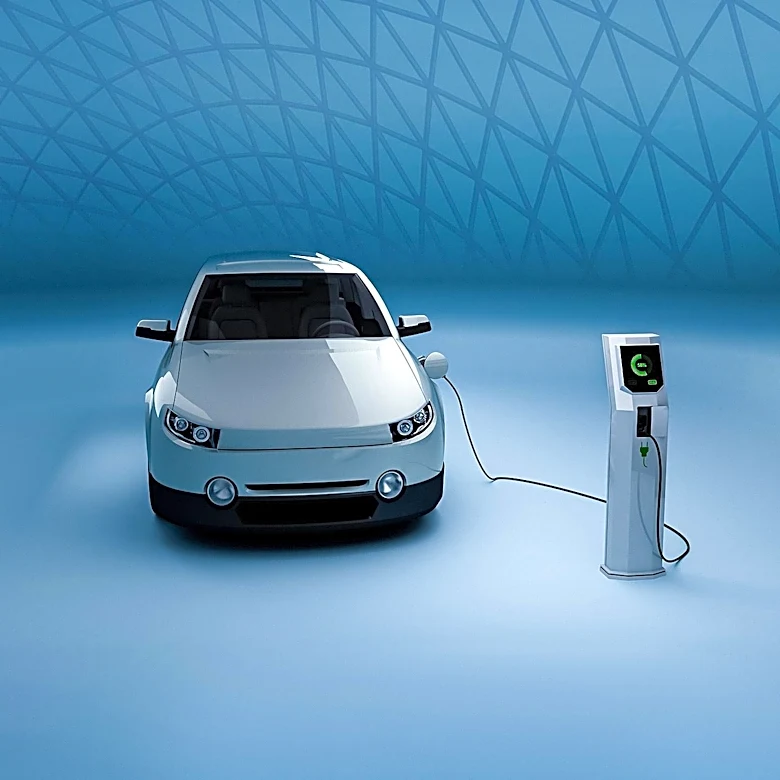
Mitsubishi Motors North America has announced the upcoming launch of the 2027 Mitsubishi Eclipse Sportback, an all-new electric vehicle (EV) set to debut across North America in the fall of 2026. This new model will feature both J1772 and NACS charging
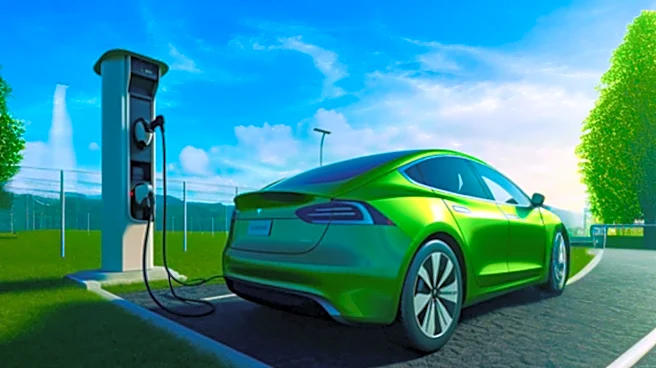
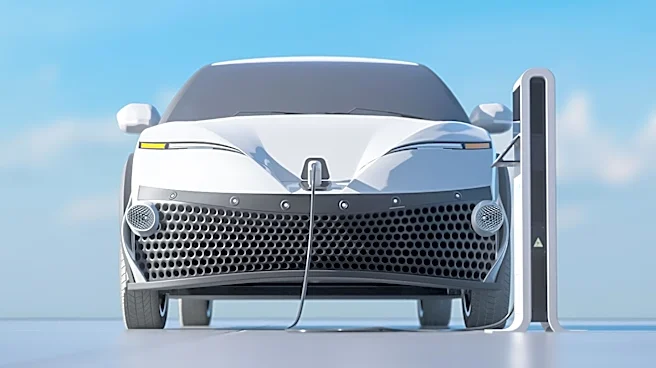
ports as standard equipment on all models. The inclusion of these dual charging ports is significant as it allows the vehicle to utilize both AC and DC charging options. The J1772 plug is commonly used for Level 1 and Level 2 charging at home and with portable chargers, while the NACS plug facilitates DC fast charging at up to 150 kW, as well as Level 2 charging. This dual compatibility is designed to enhance the convenience for EV owners, particularly for those who may need to use Tesla Superchargers without an adapter. The move reflects Mitsubishi's strategy to cater to a broader range of charging infrastructure, accommodating both existing and new EV owners.
Why It's Important?
The introduction of the 2027 Mitsubishi Eclipse Sportback with dual charging ports is a strategic move that could significantly impact the EV market in North America. By offering both J1772 and NACS charging options, Mitsubishi is addressing a key concern for EV owners: charging accessibility and convenience. This dual compatibility could make the Eclipse Sportback more appealing to consumers who are concerned about the availability of charging stations, potentially increasing the adoption of Mitsubishi's EVs. Additionally, this move aligns with the broader industry trend of adopting the NACS standard, which is gaining popularity due to its compatibility with Tesla's extensive Supercharger network. This could position Mitsubishi favorably in the competitive EV market, as consumers increasingly prioritize charging flexibility and infrastructure compatibility when choosing an electric vehicle.
What's Next?
As Mitsubishi prepares for the launch of the 2027 Eclipse Sportback, the company will likely focus on marketing the vehicle's dual charging capabilities to attract a diverse range of consumers. The success of this model could influence other automakers to adopt similar strategies, potentially leading to wider adoption of the NACS standard across the industry. Additionally, Mitsubishi may explore partnerships with charging infrastructure providers to further enhance the accessibility of charging options for their customers. The response from consumers and competitors will be crucial in determining the long-term impact of this launch on Mitsubishi's position in the EV market.