


What's Happening?
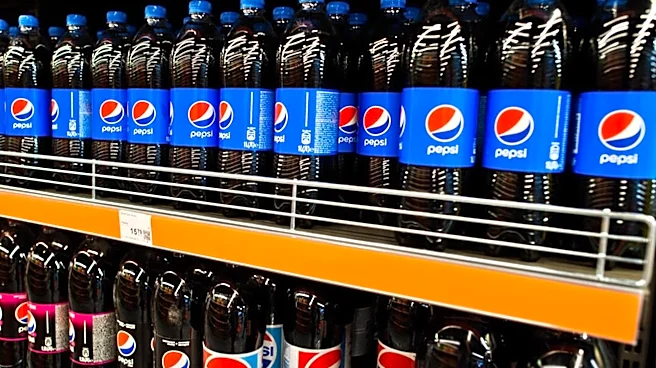
Wellness products, including prebiotic sodas like Poppi and Olipop, are being marketed for their digestive health benefits, specifically due to their prebiotic fiber content. While these sodas offer a sweet, carbonated alternative to conventional sugary
soft drinks, nutrition experts like Amy Shapiro, MS, RD, CDN, founder and director of Real Nutrition NYC, caution against relying on them as a primary means to improve gut health. Shapiro states that while they are a better option than traditional sodas, they are unlikely to significantly enhance the microbiome on their own. She suggests that more effective ways to increase fiber intake include consuming beans, oats, fruits, vegetables, and whole grains. For those primarily seeking a fizzy drink, flavored seltzer is recommended as a more cost-effective alternative.
Why It's Important?
This expert advice is crucial for U.S. consumers navigating the rapidly expanding wellness product market. The marketing of prebiotic sodas as a 'wellness category' can lead to misconceptions about their actual health impact, potentially causing consumers to overspend on products that may not deliver the promised benefits for gut health. This trend highlights a broader issue of distinguishing between genuine nutritional value and marketing claims in the food and beverage industry. For businesses, it underscores the importance of transparent labeling and responsible marketing to avoid consumer skepticism and potential regulatory scrutiny. For public health, it emphasizes the need for continued education on balanced diets and the limitations of single-ingredient solutions for complex health issues like gut microbiome improvement.
What's Next?
Consumers are advised to critically evaluate the claims made by wellness product brands and prioritize whole foods for fiber intake. The market for prebiotic sodas and similar functional beverages is likely to continue growing, driven by consumer interest in gut health. This may lead to increased scrutiny from health organizations and potentially more stringent advertising regulations to ensure accuracy in health claims. Brands in this sector may need to adjust their marketing strategies to align more closely with expert nutritional advice, focusing on these products as part of a balanced diet rather than a standalone solution. Research into the long-term effects and optimal intake of prebiotics from various sources will also continue to evolve.
Beyond the Headlines
The phenomenon of prebiotic sodas reflects a larger cultural shift towards 'biohacking' and optimizing health through diet, often fueled by social media trends and influencer marketing. This creates a fertile ground for products that promise quick and easy health fixes. However, the expert perspective reveals a gap between consumer perception and scientific reality. The higher price point of these wellness sodas compared to conventional alternatives also raises questions about accessibility and equity in health, as healthier options often come at a premium. This situation underscores the ethical responsibility of brands to provide accurate information and the need for consumers to develop critical media literacy regarding health claims, especially when they involve complex biological systems like the gut microbiome.