


What's Happening?
The Y2K aesthetic is experiencing a significant resurgence in the fashion industry, influencing current trends in denim and accessories. Brands like Levi's are contributing to this revival by offering Y2K-inspired selvedge denim jeans characterized by a relaxed,
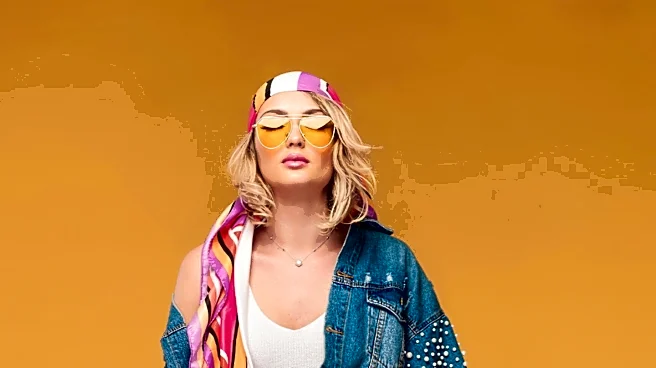
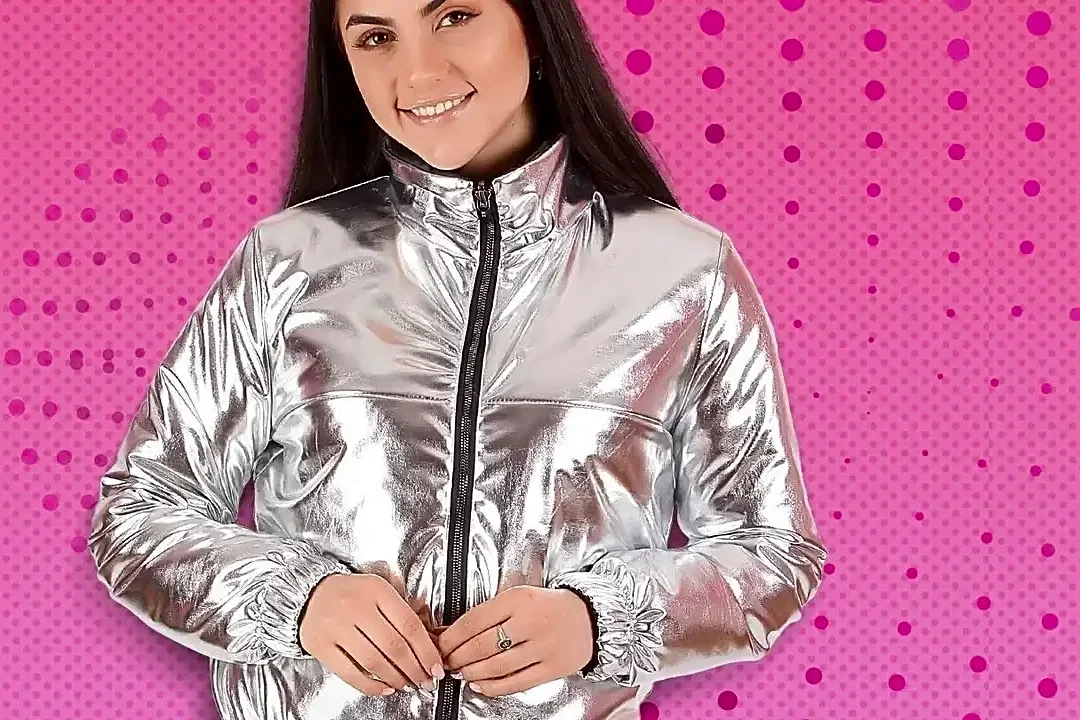
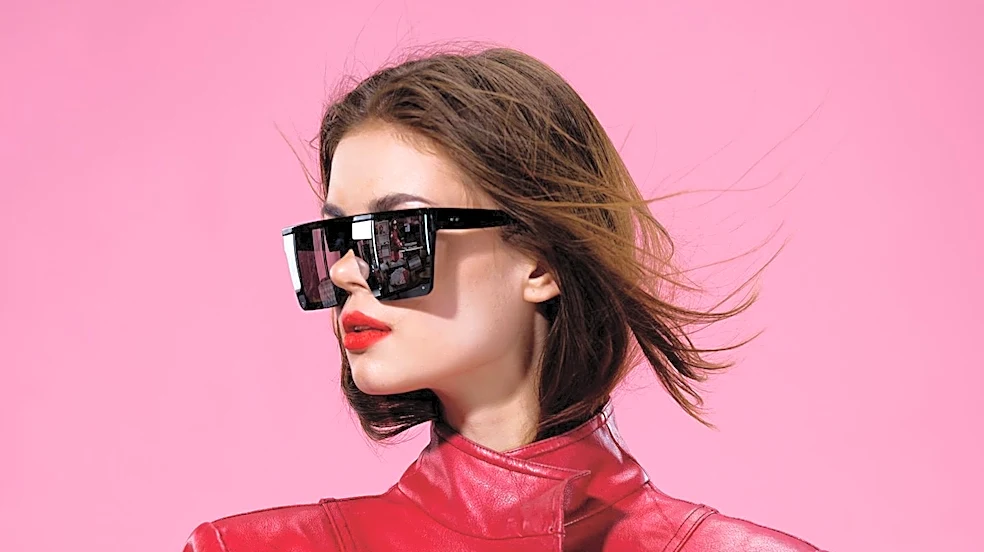
straight fit. This style harks back to the early 2000s, a period known for its distinctive denim silhouettes. Additionally, iconic brands from the Y2K era, such as True Religion and Baby Phat, are actively participating in this trend. They have launched campaigns featuring popular figures, including Love Island stars, to showcase Y2K fashion elements like low-rise denim and various pink-themed styles. The broader appeal of this aesthetic is also evident online, with dedicated communities, such as a subreddit, focusing on Y2K fashion, highlighting popular trends and accessories like hand-wrapped button earphones. This indicates a widespread cultural embrace of the early 2000s style, extending beyond just clothing to include specific accessory choices and even influencing future hairstyle trends, such as emo styles predicted for 2026.
Why It's Important?
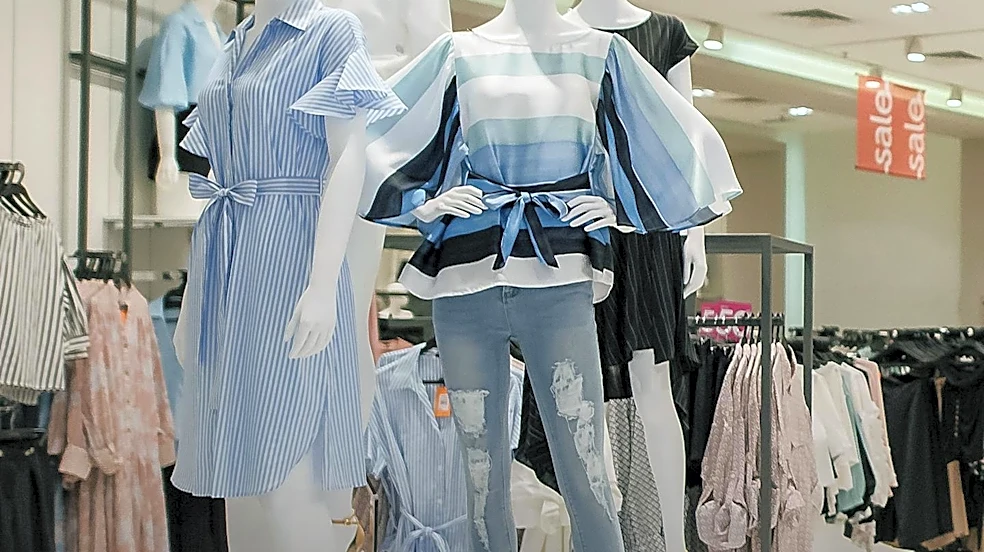
The resurgence of Y2K fashion is significant as it reflects a broader cultural phenomenon of nostalgia influencing consumer behavior and market trends. For the U.S. fashion industry, this revival presents both opportunities and challenges. Established brands like Levi's, True Religion, and Baby Phat are leveraging their heritage to reconnect with consumers, potentially boosting sales and brand relevance. The emphasis on specific styles like low-rise denim and relaxed-fit jeans indicates a shift in consumer preferences, which can impact design and production strategies for apparel manufacturers. Furthermore, the involvement of influencers, such as Love Island stars, in promotional campaigns highlights the continued importance of celebrity endorsement and social media in driving fashion trends. This trend also suggests a cyclical nature of fashion, where past styles are reinterpreted for contemporary audiences, influencing how designers approach future collections and how retailers stock their inventories. The popularity of Y2K aesthetics online also underscores the power of digital communities in shaping and amplifying fashion movements.
What's Next?
The continued momentum of the Y2K revival suggests that consumers can expect to see more brands incorporating early 2000s aesthetics into their collections. This could lead to an increased availability of items like low-rise jeans, cargo pants, crop tops, and specific accessories such as chunky jewelry and small shoulder bags. Fashion retailers will likely adjust their inventories to meet this demand, potentially leading to collaborations between contemporary designers and Y2K-era brands. The influence of this trend may also extend beyond clothing to other lifestyle products, including beauty and home decor, as the aesthetic permeates various consumer goods. Furthermore, as seen with the prediction of emo hairstyles for 2026, the Y2K revival could evolve to encompass broader subcultures and styles from that period, indicating a sustained interest in the era's cultural output. Brands will likely continue to utilize social media and influencer marketing to promote these trends, further solidifying their presence in the mainstream fashion landscape.
Beyond the Headlines
The Y2K revival extends beyond mere fashion trends, touching upon deeper cultural and psychological aspects. This resurgence can be viewed as a form of collective nostalgia, where consumers, particularly younger generations, are drawn to an era perceived as simpler or more optimistic. For those who lived through the Y2K era, it offers a comforting return to familiar styles, while for younger consumers, it represents a novel aesthetic. This trend also highlights the cyclical nature of fashion and how historical periods are reinterpreted through a contemporary lens, often stripped of their original social or political contexts. The emphasis on specific brands like True Religion and Baby Phat also speaks to the enduring power of brand identity and the emotional connections consumers form with certain labels. Ethically, the revival of certain Y2K trends, such as extremely low-rise clothing, could reignite discussions around body image and inclusivity in fashion, prompting brands to consider how these styles are presented and marketed to a diverse audience. This cultural phenomenon underscores how fashion acts as a mirror to societal sentiments, reflecting desires for escapism, comfort, and connection to the past.