








What's Happening?
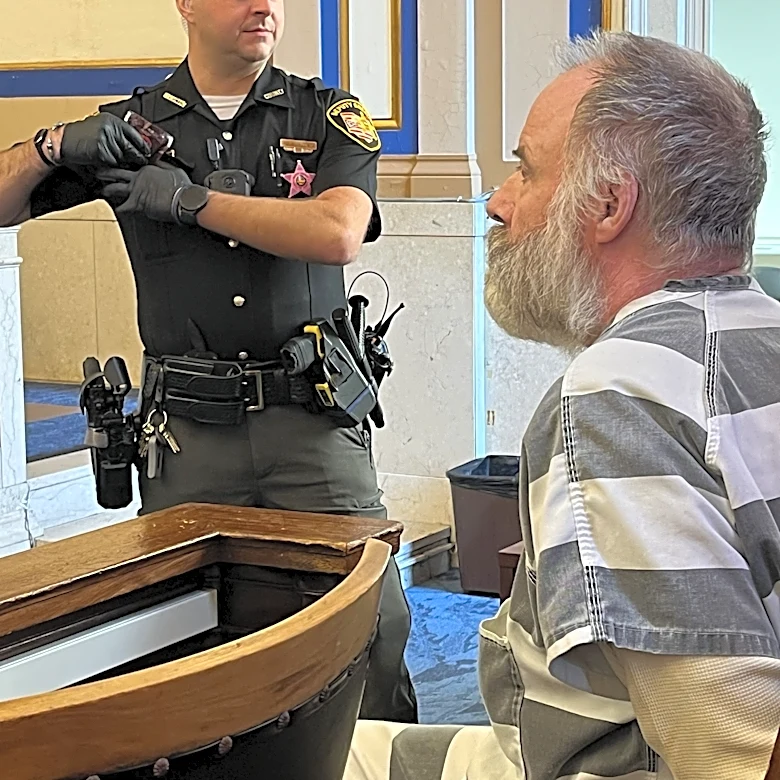
Cesar Pina, a New Jersey-based real estate influencer known online as 'Flipping NJ,' has pleaded guilty to wire fraud and money laundering conspiracy. Pina admitted to orchestrating a multi-million-dollar investment fraud scheme. Investigators revealed
that Pina operated a Ponzi-like scheme through social media, defrauding numerous investors out of millions of dollars via his real estate business. He had also partnered with a celebrity disc jockey and radio personality to conduct real estate seminars across the country. Pina's sentencing is scheduled for March 2027.
Why It's Important?
This case highlights the significant risks associated with investment opportunities promoted by social media influencers, particularly in the real estate sector. The use of a 'Ponzi-like scheme' indicates a systematic deception where early investors are paid with funds from later investors, ultimately leading to collapse and substantial financial losses for many. The involvement of a celebrity figure in promoting seminars adds a layer of perceived legitimacy that can mislead potential investors. This incident serves as a cautionary tale for individuals seeking investment advice or opportunities through social media, emphasizing the need for thorough due diligence and verification of claims, regardless of the promoter's online popularity or associations. It also underscores the ongoing challenges regulators face in monitoring and prosecuting financial fraud in the digital age.
What's Next?
Cesar Pina is scheduled for sentencing in March 2027, where the court will determine the penalties for his wire fraud and money laundering conspiracy convictions. This will likely involve significant prison time and financial restitution to the victims. The legal proceedings may also shed further light on the full extent of the scheme and any other individuals who may have been involved. This case could prompt increased scrutiny from regulatory bodies on investment schemes promoted through social media, potentially leading to stricter guidelines or enforcement actions against influencers who offer financial advice or opportunities without proper licensing or oversight. Victims will likely pursue avenues for recovering their lost investments, which can be a lengthy and complex process.
Beyond the Headlines
The 'Flipping NJ' case delves into the ethical and legal complexities of influencer culture, particularly when it intersects with financial advice and investment. The allure of quick wealth and the perceived authenticity of social media personalities can create a fertile ground for fraudulent schemes. This incident raises questions about the responsibility of platforms to monitor content that promotes potentially fraudulent activities and the accountability of celebrities who lend their names to such ventures. It also underscores a broader societal issue of trust in digital spaces and the need for critical thinking when engaging with online financial opportunities. The long-term implications could include a shift in how financial advice is regulated on social media and a greater emphasis on financial literacy for the public to identify and avoid such scams.