





What's Happening?
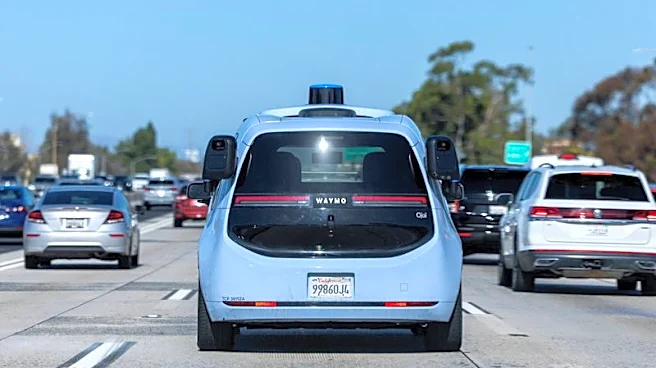
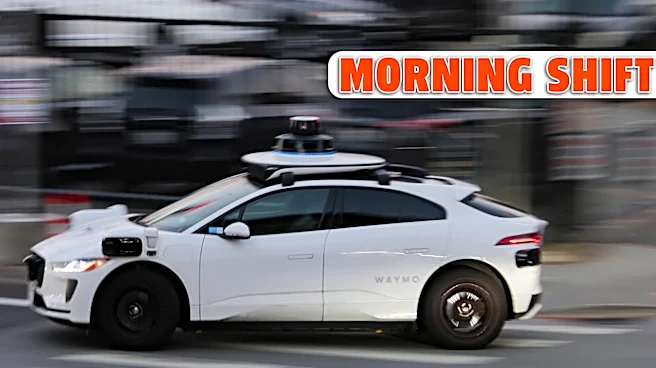
Waymo, a self-driving car company, has temporarily removed its autonomous vehicles from freeways across the United States. This decision follows a directive from the California Department of Motor Vehicles (DMV) on November 11, which ordered Waymo to cease
operating and testing its self-driving vehicles on all California freeways. The DMV cited an 'imminent hazard to public safety' due to incidents involving Waymo vehicles. Specifically, the DMV noted an event where three Waymo vehicles entered a closed construction zone on Highway 101 and another involving California Highway Patrol vehicles on Interstate 280 in San Francisco. A Waymo spokesperson, Chris Pappas, confirmed the company's nationwide withdrawal from freeways on the same day the DMV order was issued. Pappas stated that the construction zone incident did not result in any injuries or collisions and that Waymo would evaluate vehicle performance during this period. This move marks a setback for Waymo's expansion plans, particularly as it had launched freeway service in the San Francisco Bay Area almost a year prior.
Why It's Important?
This action by the California DMV and Waymo's subsequent nationwide withdrawal highlights significant safety concerns surrounding autonomous vehicle technology, particularly at higher speeds. Experts, such as Philip Koopman, professor emeritus at Carnegie Mellon University, have praised the state's decision, viewing it as a necessary measure to prevent further incidents and allow Waymo to refine its technology. The inherent dangers of freeway driving, where margins for error are significantly reduced due to high speeds, are underscored by this development. Matthew Wansley, a law professor at Yeshiva University's Cardozo School of Law, noted that while freeways are conceptually simpler driving environments due to the absence of pedestrians or cross-traffic, the speeds involved make errors far more perilous. The temporary ban on highways is expected to significantly impact Waymo's business, especially regarding access to airports, which often require freeway travel. This restriction could hinder the company's ability to unlock a substantial portion of its potential market value.
What's Next?
The restrictions in California will remain in effect until Waymo implements 'effective corrective actions,' as stated by the DMV. This indicates that Waymo will need to address the identified safety issues and demonstrate improvements in its autonomous driving system before it can resume freeway operations in California. The company's spokesperson, Chris Pappas, mentioned that Waymo would evaluate the vehicles' performance during this withdrawal period, suggesting an internal review and potential software updates are underway. This situation could lead to increased scrutiny from regulatory bodies in other states regarding autonomous vehicle deployment on highways. Waymo has previously recalled 4,000 robotaxis for software updates after vehicles entered construction zones in Phoenix and San Francisco, and also updated software after some taxis drove into flooded roadways. Future steps will likely involve Waymo presenting its corrective measures to the California DMV for approval, which could set a precedent for how autonomous vehicle safety is regulated nationwide.
Beyond the Headlines
This incident brings to the forefront the ongoing debate about the readiness and safety of autonomous vehicle technology for widespread public use, especially in complex and high-speed environments like freeways. The DMV's decisive action signals a more stringent regulatory approach to self-driving cars, prioritizing public safety over rapid technological deployment. This could influence public perception of autonomous vehicles, potentially increasing skepticism about their reliability and safety. The challenges Waymo faces with construction zones and interactions with law enforcement vehicles highlight the complexities of real-world driving scenarios that even advanced AI systems struggle to navigate. The incident also raises questions about the ethical responsibilities of companies developing such technology and the regulatory frameworks needed to ensure public trust and safety as these technologies evolve. The long-term implications could include a slower rollout of autonomous vehicle services on highways and a greater emphasis on rigorous testing and validation before broader deployment.