



What's Happening?
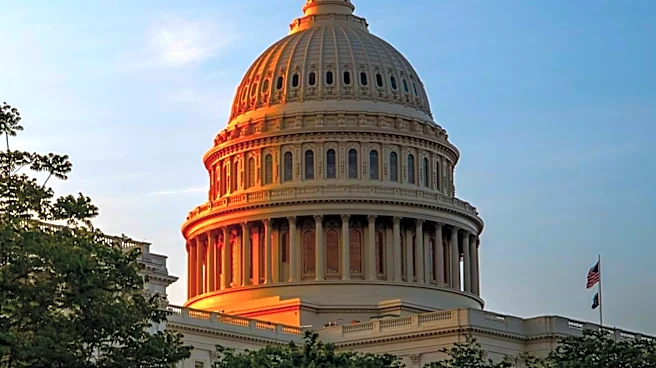
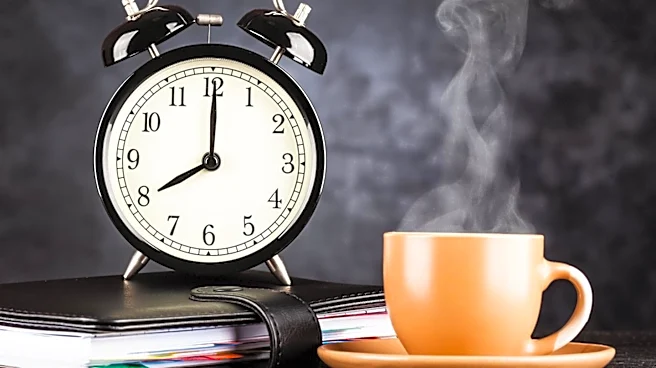
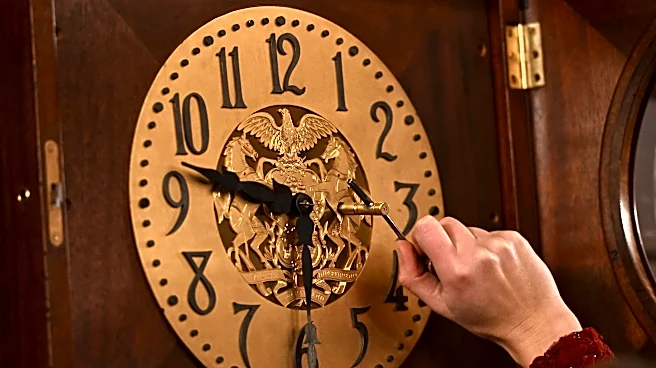
A proposal to make daylight saving time permanent, known as the Sunshine Protection Act, is awaiting a Senate vote after passing in the House of Representatives. This change would eliminate the twice-yearly clock shift, keeping the United States on daylight saving time permanently.
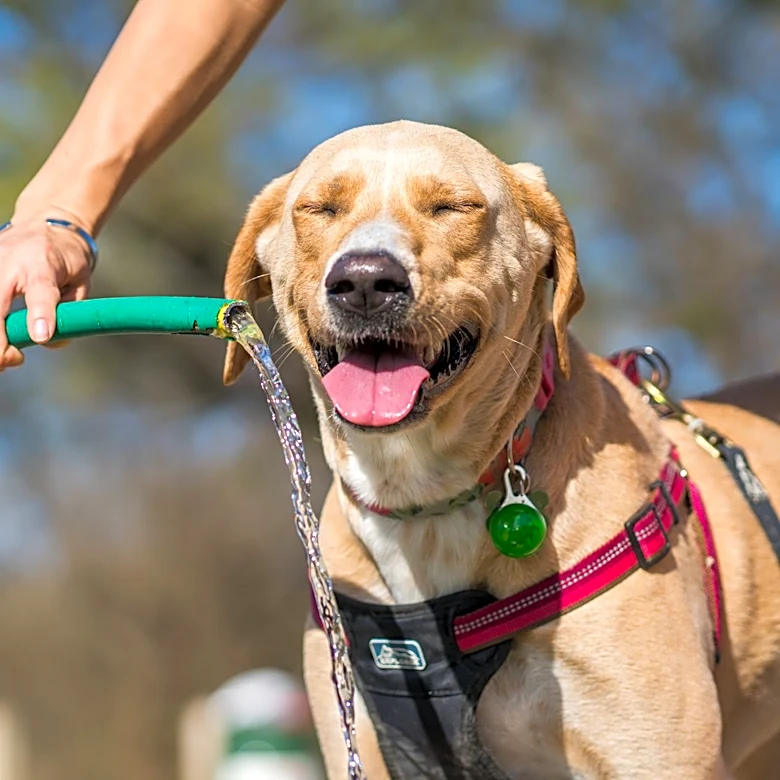
While this may be welcomed by many, it could disrupt the routines of pets, such as dogs and cats, who rely on consistent schedules for feeding, walks, and medication. Dr. Karen 'Doc' Halligan, a veterinarian, explains that pets thrive on routine, and any sudden changes can temporarily confuse them. The disruption is not due to the time change itself but rather the shift in owners' schedules. Pets have internal biological clocks, known as circadian rhythms, that regulate their behaviors. Halligan suggests gradually adjusting pets' schedules to help them adapt to the change.
Why It's Important?
The potential shift to permanent daylight saving time could have significant implications for pet owners and their animals. Pets, particularly those with strict medical schedules or anxiety disorders, may experience stress and confusion due to changes in their daily routines. This could lead to behavioral issues or health problems if not managed properly. Pet owners may need to invest additional time and effort to ensure a smooth transition for their animals. The broader impact on society includes the need for increased awareness and preparation among pet owners to mitigate any negative effects on their pets' well-being.
What's Next?
If the Sunshine Protection Act is enacted, pet owners will need to prepare for the final clock change by gradually adjusting their pets' schedules. This includes shifting meal times, walks, and medication schedules by small increments over several days. Veterinarians may play a crucial role in advising pet owners on how to manage these changes, especially for pets with specific health needs. Additionally, pet owners may need to consider safety measures for walking pets during darker mornings or evenings, such as using reflective gear and choosing well-lit routes.