






What's Happening?
India's culinary landscape is rich with a variety of steamed delicacies that extend beyond the popular momo. Each region in India boasts its own unique steamed dishes, made with local ingredients and traditional cooking methods. For instance, Maharashtra
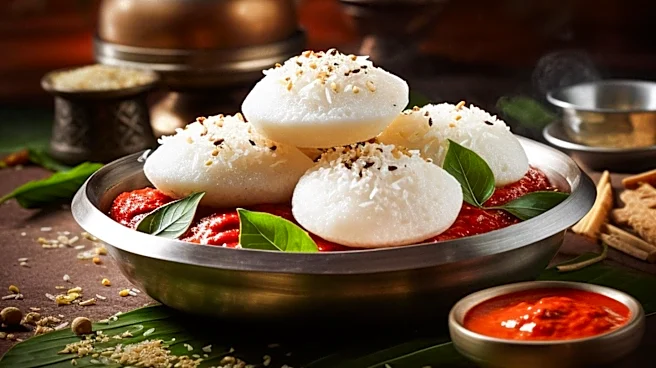
and Gujarat offer Sandan, a soft steamed rice cake, while Gujarat also features Muthia, a steamed snack made from flour and vegetables. West Bengal is known for Bhapa Pitha, and Tamil Nadu offers Kanchipuram Idli, a seasoned idli with spices. Kerala's Kozhukatta, a rice flour dumpling stuffed with coconut and jaggery, is another example of the country's diverse steamed food offerings.
Why It's Important?
These traditional steamed dishes not only highlight the diversity of Indian cuisine but also emphasize the importance of preserving culinary heritage. Steaming as a cooking method is celebrated for its health benefits, as it retains nutrients and flavors without the need for excessive oil or fat. By exploring and promoting these regional delicacies, there is an opportunity to appreciate and sustain cultural traditions while encouraging healthier eating practices.