



What's Happening?
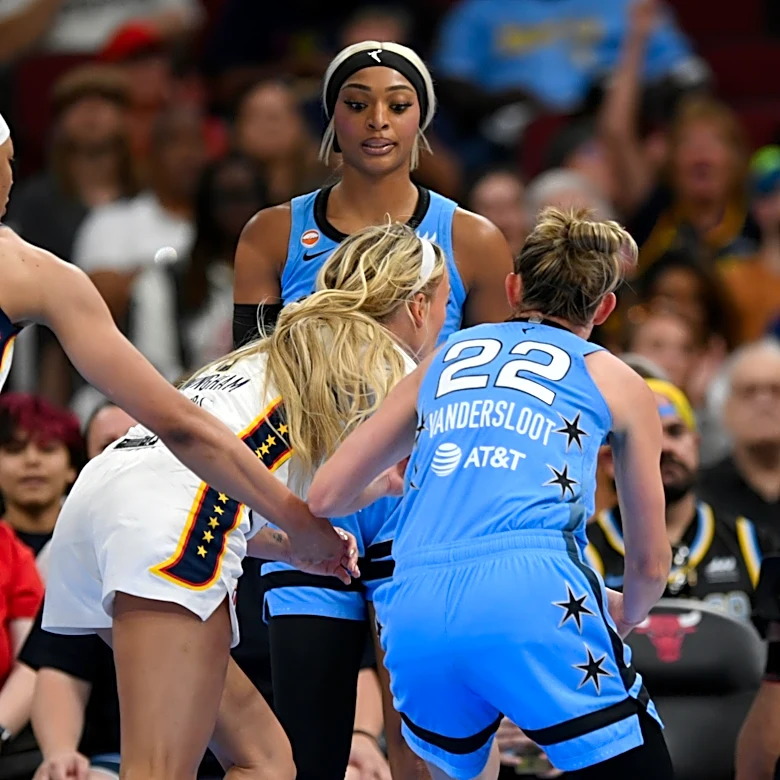
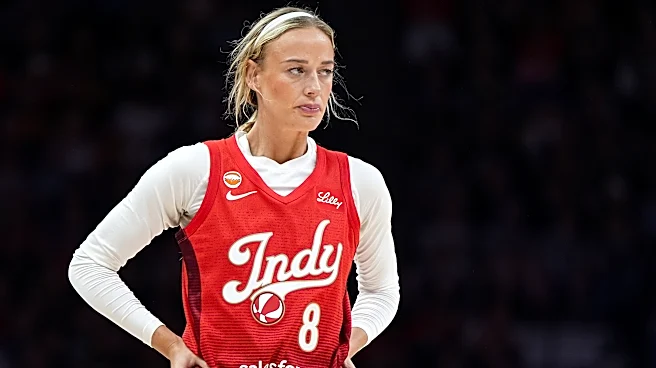
The WNBA is set to continue its discussions on the participation of transgender athletes in women's basketball. This follows recent comments by Indiana Fever guard Sophie Cunningham, who expressed support for barring transgender women from participating
in women's sports. The league has been relatively quiet on the issue, but WNBA Commissioner Cathy Engelbert has sent a memo to players and teams outlining the league's approach. The memo emphasizes the importance of thoughtful and respectful discussions, aligning with the league's values. The topic will be addressed in an upcoming meeting with team presidents and general managers. The current collective bargaining agreement states that only women are eligible to play in the WNBA, but it does not specifically address gender identity.
Why It's Important?
The ongoing discussions within the WNBA regarding transgender athlete participation are significant as they reflect broader societal debates on gender identity and inclusion in sports. The league's approach to this issue could set a precedent for other sports organizations grappling with similar questions. The WNBA's commitment to diversity and inclusion, as stated by the WNBPA, highlights the league's role in promoting equity and justice. The outcome of these discussions could impact player eligibility rules and influence public perception of the league. Additionally, the WNBA's handling of this sensitive topic may affect its relationships with fans, sponsors, and advocacy groups.
What's Next?
The WNBA plans to hold further discussions and listening sessions with team leaders and the Players Association to gather diverse perspectives on the issue. These conversations will be crucial in determining any potential changes to player eligibility rules, which would require collective bargaining. The league aims to maintain the integrity of the game while ensuring fair competition. As the WNBA navigates this complex topic, it will likely continue to engage with stakeholders and monitor public and media reactions. The league's decisions could influence policies in other sports leagues and contribute to the broader dialogue on transgender inclusion in athletics.