







What's Happening?
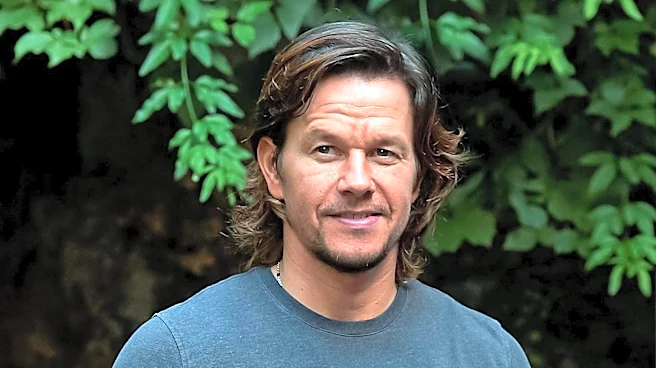
Actor Mark Wahlberg, at 55 years old, adheres to a demanding daily fitness and nutrition program to prepare for his action film roles. His routine begins at 3:30 AM, dedicating a significant portion of his morning to physical training. Wahlberg's workout
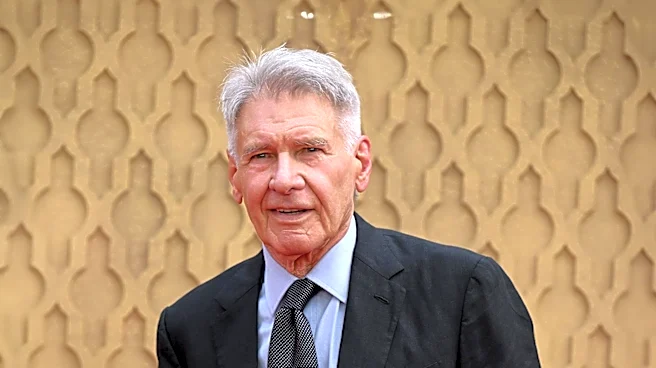
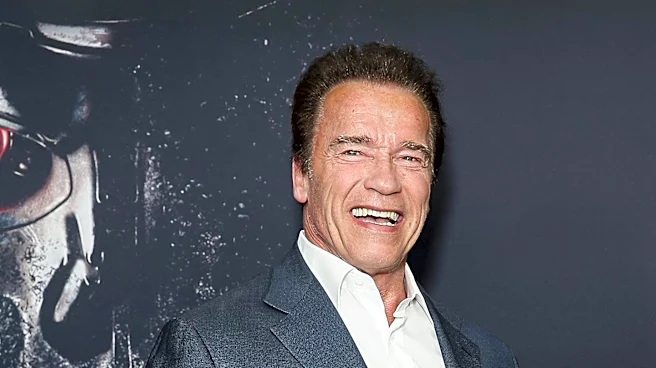
schedule is meticulously planned, with specific muscle groups targeted each day: Mondays for pectorals and triceps, Tuesdays for back and biceps, Wednesdays for legs and abdominals, and Thursdays for shoulders and arms. Fridays involve a more comprehensive session, and even weekends are active, with golf on Saturdays. Wahlberg emphasizes that his body is a crucial tool for his work and life, a philosophy he shares with other actors like Arnold Schwarzenegger and Harrison Ford. His diet is equally strict, focusing on high protein intake to meet the energy demands of his intense training, as he stated, "I need to eat a lot to keep up with my training. The priority is protein."
Why It's Important?
Wahlberg's commitment to extreme physical conditioning highlights a significant aspect of the entertainment industry, particularly for actors in action-oriented roles. This dedication underscores the physical demands placed on performers to maintain a certain physique and level of athleticism, often requiring substantial personal sacrifice and discipline. It also reflects a broader cultural emphasis on fitness and health, where public figures like Wahlberg serve as role models, influencing perceptions of aging and physical capability. The rigorous routines and specialized diets adopted by actors can also drive trends in the fitness and nutrition industries, as fans and aspiring individuals may seek to emulate their regimens. Furthermore, the longevity of actors like Wahlberg in physically demanding roles demonstrates the evolving standards and expectations within Hollywood for maintaining a youthful and capable appearance.
What's Next?
As Mark Wahlberg continues his career in action films, it is expected that he will maintain his stringent fitness and dietary practices. His ongoing commitment to these routines will likely influence his future role selections and the types of projects he undertakes. The public and media will continue to monitor his physical condition, potentially leading to more interviews, documentaries, or social media content detailing his training methods. This sustained focus on his physical regimen could also inspire new fitness programs or dietary trends, particularly as he ages, showcasing the possibilities of maintaining peak physical condition later in life. His example may also encourage other actors to adopt similar rigorous approaches to their physical preparation, further solidifying the trend of highly conditioned performers in the action genre.
Beyond the Headlines
Beyond the immediate physical demands, Wahlberg's lifestyle reflects a deeper cultural narrative about discipline, self-improvement, and the pursuit of excellence in one's profession. His early morning routine and strict diet are not merely about aesthetics but about optimizing performance and extending his career longevity in a highly competitive industry. This dedication can be seen as a form of 'human capital investment,' where significant time and effort are poured into maintaining the primary 'tool' of his trade. It also touches upon the psychological aspect of celebrity, where the public often projects ideals of health and success onto figures like Wahlberg. The constant need for actors to maintain such demanding routines raises questions about the sustainability of these lifestyles and the pressures they face to meet industry and audience expectations, potentially blurring the lines between personal well-being and professional obligation.