




What's Happening?
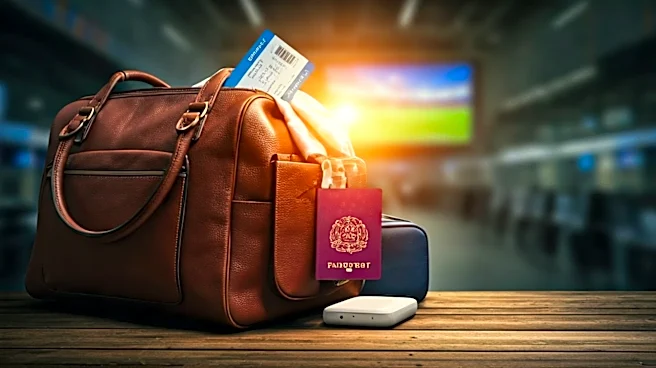
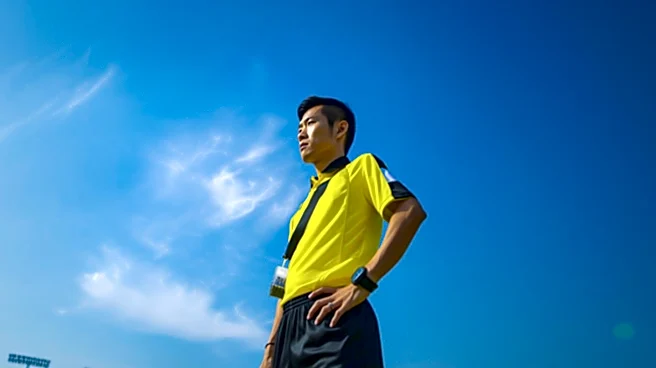
The 2026 World Cup, hosted by the U.S., Canada, and Mexico, has been marred by controversy as Somali referee Omar Artan was denied entry into the United States. U.S. Customs and Border Protection cited 'derogatory information' related to alleged associations
with terror organizations as the reason for the denial. Artan, who was set to officiate at the tournament, has denied any connections to the Somali militant group Al Shabab. FIFA President Gianni Infantino acknowledged the situation, stating that FIFA does not control all aspects of the event. This incident has sparked discussions about the implications for U.S.-Africa relations and the broader impact on the World Cup.
Why It's Important?
The barring of Omar Artan highlights the complexities and challenges of international events like the World Cup, where geopolitical issues can intersect with sports. This incident could strain diplomatic relations between the U.S. and African nations, particularly Somalia, and may lead to increased scrutiny of visa policies for international events. The situation underscores the importance of balancing security concerns with the need for inclusivity and fairness in global sports. It also raises questions about the transparency and criteria used in visa decisions, which could affect the participation of athletes and officials in future international competitions.
What's Next?
In response to the controversy, FIFA and other stakeholders may seek to engage in dialogue with U.S. authorities to address the concerns raised by this incident. There could be calls for clearer guidelines and more transparent processes for visa issuance to ensure that similar situations do not arise in the future. The incident may also prompt discussions within FIFA about contingency plans for officials who face travel restrictions. As the World Cup progresses, the focus will likely remain on ensuring the smooth operation of the tournament while addressing any diplomatic fallout from this and other controversies.