







What's Happening?
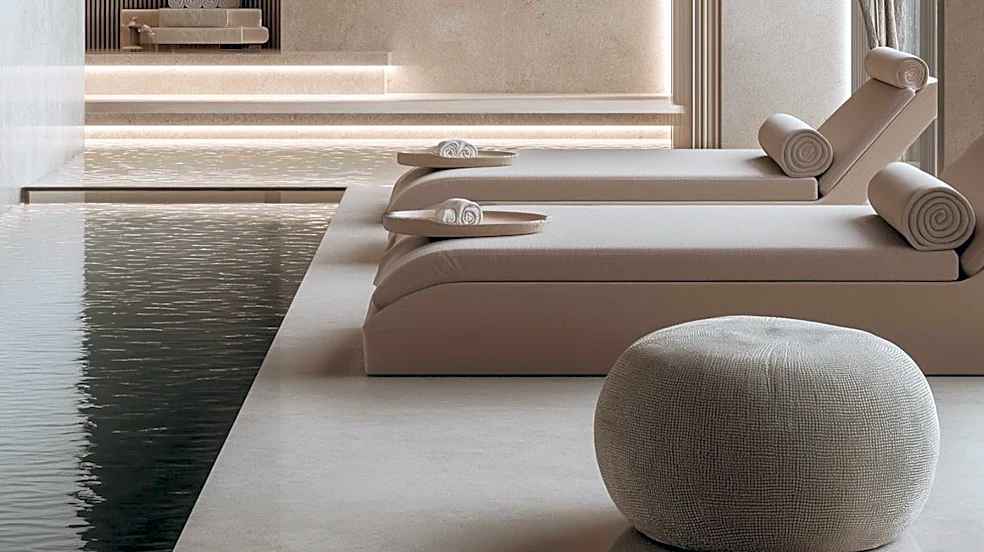
SHA is developing a residential project in AlJurf, UAE, in partnership with IMKAN Properties, which aims to integrate wellness and longevity principles into everyday living spaces. This initiative moves beyond traditional wellness retreats by designing
homes with features like purified air, circadian lighting, acoustic control, and non-toxic materials. The project, SHA Emirates, is slated for completion and handover by 2028 and will include a health optimization resort, residences, medical expertise, nutrition, and spaces for movement and well-being. Alfredo Bataller, CEO of SHA, emphasizes a shift in understanding longevity from merely extending lifespan to enhancing 'health span'—the years spent in good health, maintaining activity, independence, and cognitive function. The approach combines medical science, natural therapies, nutrition, movement, sleep, and emotional well-being to create an integrated system that supports individual health over time.
Why It's Important?
This development signifies a potential shift in the luxury residential real estate market, where a property's desirability may increasingly be defined by its ability to support a longer, healthier life, rather than just location, architecture, or exclusivity. For the U.S. market, this trend could influence future residential development, particularly in high-end segments, by setting new standards for health-led design and amenities. It highlights a growing consumer demand for environments that proactively contribute to well-being, potentially leading to increased investment in health-focused technologies and design principles within the construction and real estate industries. The integration of AI for personalized preventive care, as envisioned by Bataller, could also drive innovation in health tech, making health data more actionable and enhancing the role of healthcare professionals in guiding individual health decisions.
What's Next?
SHA Emirates is targeted for completion and handover by 2028, which will serve as a real-world example of this integrated wellness living concept. The success and adoption of this model in the UAE could influence similar developments globally, including potentially in the U.S. The real estate industry will likely observe how these wellness-focused designs impact property value and resident satisfaction. There may be further exploration into how such models can be adapted for broader communities beyond luxury developments, and how technology, particularly AI, can be effectively utilized to personalize preventive health without compromising human interaction in healthcare. The ongoing challenge will be to demonstrate the long-term health outcomes of such designs and ensure that technological advancements translate into practical improvements in daily care.
Beyond the Headlines
The initiative raises deeper questions about the future of urban planning and residential design, suggesting a paradigm shift where homes are not just shelters but active contributors to human health and longevity. It touches upon ethical considerations regarding access to such advanced wellness environments, as these innovations currently appear to be exclusive to high-end developments. This could exacerbate health disparities if wellness-focused living becomes a luxury commodity. Culturally, it reflects a growing societal emphasis on proactive health management and the pursuit of 'health span' over mere 'lifespan.' The integration of AI in preventive health also brings forth discussions about data privacy, the balance between technology and human care, and the potential for AI to either empower or overwhelm individuals with health data. This trend could trigger long-term shifts in how we perceive and design our living spaces, moving towards more holistic and health-centric environments.