





What's Happening?
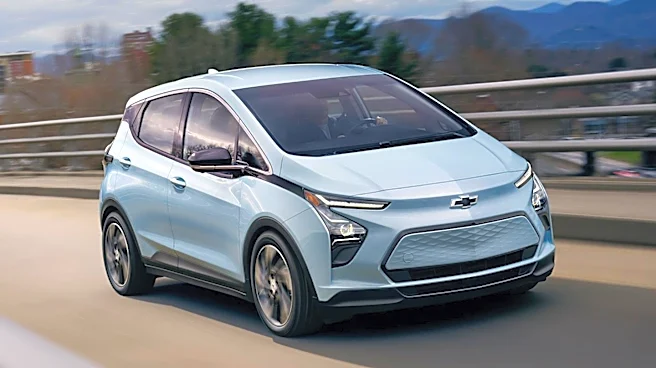
The 2027 Chevrolet Bolt LT is set to return to the market as the least expensive new electric vehicle (EV) in the U.S., with a starting price of $28,995, including destination charges. This reintroduction follows a three-year hiatus after its discontinuation
in the 2023 model year. The updated Bolt will feature a larger battery and a North American Charging Standard port, offering an EPA-estimated range of 262 miles and the ability to charge from 10% to 80% in 25 minutes. According to Cars.com's October 2026 report, the Bolt leads a list of 11 EVs priced under $40,000, with nine of these models being SUVs. Other vehicles on the list include the 2027 Kia EV3 Light ($31,385), 2026 Nissan Leaf S+ ($31,565), 2027 Subaru Uncharted Premium ($36,470), 2027 Toyota bZ XLE ($36,575), 2027 Chevrolet Equinox EV LT 1 ($36,795), 2027 Hyundai Ioniq 5 SE Standard Range ($36,900), 2026 Fiat 500e Base ($37,695), 2027 Tesla Model 3 Base ($38,380), 2027 Toyota C-HR SE ($38,675), and the 2026 Kia EV6 Light ($39,445). The average EV listing price on Cars.com is approximately $57,000, making the Bolt's price point significantly lower.
Why It's Important?
The return of the Chevrolet Bolt at a sub-$30,000 price point is significant for the U.S. automotive market, particularly for consumers seeking more affordable electric vehicle options. With gasoline prices at $4.29 per gallon nationwide, consumer interest in EVs has increased, and the Bolt's competitive pricing makes EV ownership more accessible to a broader demographic. This move by Chevrolet could intensify competition in the entry-level EV segment, pushing other manufacturers to offer more budget-friendly electric models. Dealers will benefit from having a highly affordable EV to attract showroom traffic, potentially boosting overall EV sales. The presence of nine SUVs among the 11 cheapest EVs also indicates a growing trend towards electric utility vehicles, aligning with current consumer preferences for larger vehicle types. This shift could accelerate the adoption of EVs across the country, contributing to broader environmental goals and reducing reliance on fossil fuels.
What's Next?
The reintroduction of the 2027 Chevrolet Bolt is expected to stimulate increased consumer interest in electric vehicles, especially given its competitive price and improved features like a larger battery and North American Charging Standard port. Dealerships are likely to leverage the Bolt's affordability to draw in customers, potentially leading to higher sales volumes for Chevrolet and other brands offering EVs under $40,000. The market will likely see other manufacturers respond to this competitive pricing, possibly by introducing their own lower-cost EV models or by adjusting pricing strategies for existing ones. This could lead to a more diverse and accessible EV market in the U.S. Furthermore, the increased availability of affordable EVs may influence public policy discussions around EV incentives and infrastructure development, as wider adoption necessitates more charging stations and supportive regulations. Consumers can anticipate more choices and potentially better deals in the coming years as the EV market continues to evolve.
Beyond the Headlines
The re-entry of the Chevrolet Bolt at a significantly lower price point could have profound long-term implications for the U.S. automotive industry and consumer behavior. Historically, the high cost of EVs has been a major barrier to widespread adoption. By offering a compelling electric option below $30,000, Chevrolet is challenging the perception that EVs are exclusively luxury items. This could democratize EV ownership, making it a viable option for middle-income households and accelerating the transition away from internal combustion engine vehicles. The standardization of charging ports, as seen with the Bolt's inclusion of the North American Charging Standard, also signals a move towards greater interoperability and convenience for EV owners, which is crucial for reducing range anxiety and simplifying the charging experience. This development could also spur innovation in battery technology and manufacturing processes as companies strive to produce more affordable and efficient EVs, ultimately shaping the future of sustainable transportation in the U.S.