



What's Happening?
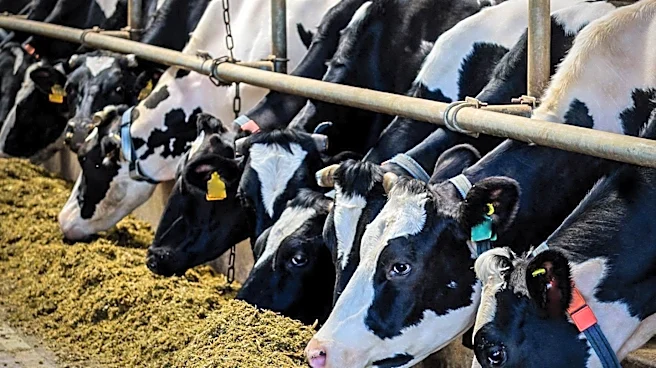
Tight cattle supplies are compelling feedyards to allocate more capital for replacement animals, even as robust consumer demand continues to support the broader cattle market. According to Josh Winegarner of the Texas Cattle Feeders Association, drought-induced
cow liquidation has led to reduced calf supplies, and the industry has not yet begun a significant herd rebuilding phase. This scarcity of available calves has pushed replacement cattle values higher. For feedyards, these elevated cattle costs mean a greater financial commitment before animals are sold to packers. Some operations have responded by consolidating multiple yards into fewer facilities to maintain occupancy and achieve better economies of scale.
Why It's Important?
This situation presents a complex challenge for the U.S. beef industry. While strong consumer demand for beef is a positive factor, the high cost of acquiring cattle squeezes profit margins for feedyards. This dynamic can lead to increased operational risks and potentially higher beef prices for consumers in the long run if feedyards pass on their elevated costs. The delay in meaningful herd rebuilding, primarily due to past drought conditions, highlights the vulnerability of the livestock sector to environmental factors. The consolidation of feedyard operations indicates an industry adapting to economic pressures, aiming for efficiency to mitigate the impact of tight supplies and high input costs. This balance between strong demand and limited supply is critical for the stability of the beef market.
What's Next?
The feeding sector continues to balance elevated cattle costs against supportive beef demand. Industry stakeholders are closely watching for clearer indications that producers are retaining females and actively beginning to rebuild the national herd. Until significant herd rebuilding occurs, feedyards will likely continue to face high capital requirements for replacement animals. The ongoing strong consumer willingness to purchase beef suggests that demand will remain a driving force, potentially sustaining higher cattle values despite the increased costs for feeders. Future developments will depend on weather patterns influencing pasture conditions, which are crucial for herd expansion, and the economic decisions of individual ranchers regarding heifer retention.
Beyond the Headlines
The current state of the cattle market underscores the intricate relationship between agricultural production, environmental conditions, and consumer behavior. The impact of drought, a recurring challenge in many cattle-producing regions, demonstrates how climate events can have cascading effects throughout the food supply chain, from ranch to consumer. The industry's response, including consolidation and strategic management of resources, reflects its resilience but also points to the increasing need for sustainable practices and risk management strategies. This situation also highlights the economic pressure on ranchers to make long-term investments in herd rebuilding, which requires significant capital and time, against the backdrop of fluctuating market conditions and environmental uncertainties.