





What's Happening?
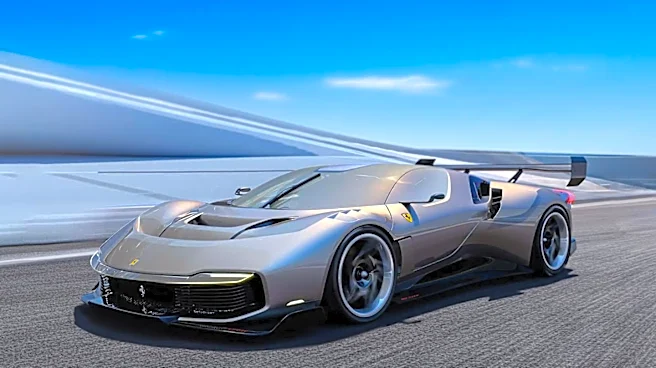
Ferrari has unveiled the 296 GT Modificata, a new track-day vehicle derived from its successful 296 GT3 race car. This model is designed for enthusiasts who wish to experience a Ferrari race car on the track without the restrictions of competitive racing
regulations. The 296 GT Modificata boasts an increased power output of 720 horsepower, significantly more than the approximately 600 horsepower typically allowed for GT3 cars under balance-of-performance rules. Unlike the road-legal 296, this track-only version does not integrate hybrid systems, though it still offers substantial power. Key modifications include a two-seat cabin, allowing for a passenger or coach, enhanced front brake discs and cooling elements for more aggressive braking, and aerodynamic improvements such as a new splitter and rear wing specifically designed for this variant. This approach mirrors Ferrari's previous release of the 499 P Modificata, which was also a specialized version of an endurance racer for track use.
Why It's Important?
The introduction of the Ferrari 296 GT Modificata signifies a growing trend in the high-performance automotive market: the creation of exclusive, track-only vehicles for affluent enthusiasts. This strategy allows manufacturers like Ferrari to showcase their engineering prowess by offering cars that are unburdened by road regulations or racing series restrictions, providing an uncompromised driving experience. For the U.S. market, this means a new, ultra-exclusive option for collectors and track-day participants, further solidifying the demand for bespoke, high-performance automobiles. It also highlights the continued innovation in automotive technology, as manufacturers adapt successful racing platforms for recreational use. This segment caters to a niche but highly lucrative clientele, reinforcing brand prestige and potentially driving future sales of both road and race-derived models. The ability to offer a 'recreational race car' allows Ferrari to tap into a desire for extreme performance that cannot be fully realized on public roads.
What's Next?
Ferrari will likely continue to market the 296 GT Modificata to its exclusive clientele, focusing on private track events and specialized driving experiences. The success of this model could influence future product development, potentially leading to more 'Modificata' versions of other successful Ferrari race cars. Competitors in the high-performance segment, such as McLaren with its 720S GT3X, Mercedes-AMG with the GT3 Edition 130Y, and Porsche with the 911 GT3 R Rennsport, are also offering similar unrestricted track-day specials. This trend suggests a continued expansion of the market for non-competitive, high-performance track vehicles. Buyers will continue to weigh these limited-run options, creating a unique sub-segment within the luxury automotive industry where the focus is purely on unadulterated track performance and exclusivity.
Beyond the Headlines
The emergence of vehicles like the 296 GT Modificata reflects a broader cultural shift among ultra-high-net-worth individuals who seek unique and extreme experiences. Beyond mere ownership, these cars offer an opportunity for drivers to engage with automotive engineering at its peak, pushing the boundaries of performance in a controlled environment. This trend also raises questions about the future of automotive design, as manufacturers increasingly differentiate between road-legal vehicles and track-focused machines. It underscores the enduring appeal of motorsport heritage and the desire to translate that raw, unadulterated performance into a private, recreational context. The ethical implications of such powerful vehicles, even in controlled environments, also warrant consideration, particularly regarding safety and accessibility, as these machines represent the pinnacle of automotive engineering and speed.