


What's Happening?
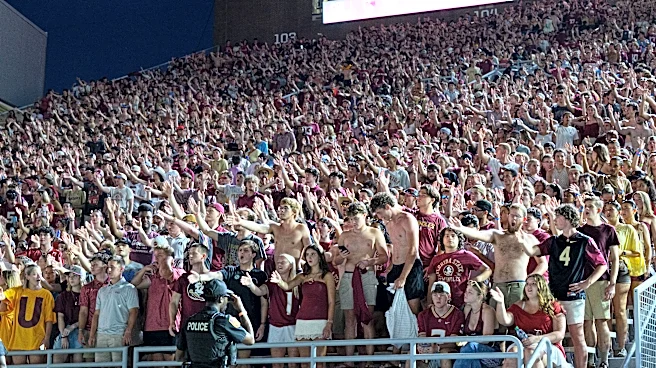
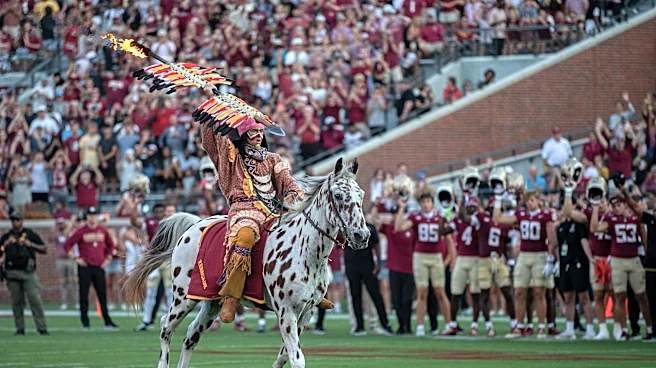
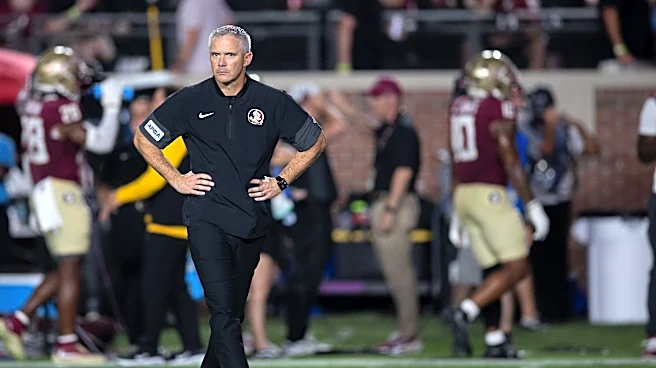
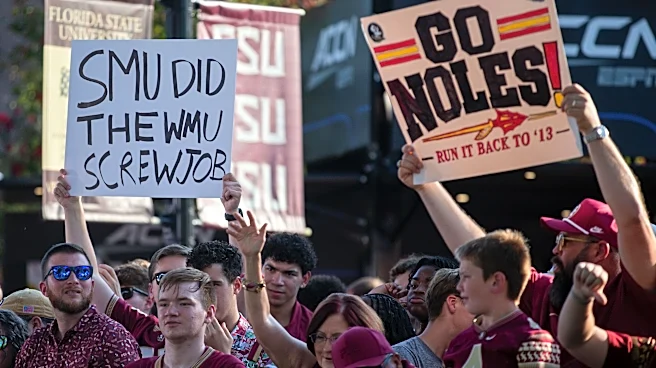
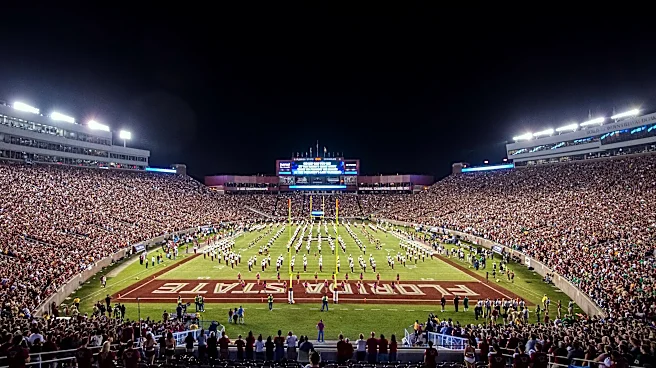
The ACC opener between Florida State and No. 19 SMU at Doak Campbell Stadium in Tallahassee was significantly delayed due to a power outage. The game, originally scheduled to kick off at 7:35 PM ET, experienced a stadium-wide power failure around 7:30
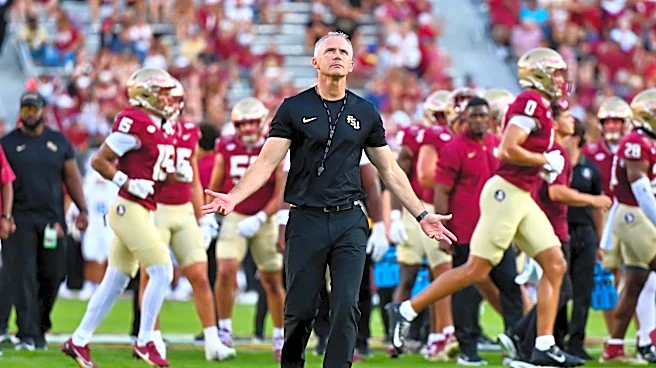
PM. ESPN reported that a transformer blew when crews attempted to reset it, leading to the disruption. Both teams were sent back to their locker rooms as officials assessed the situation. Updates from Florida State indicated that power was gradually being restored to different sections of the stadium, with an initial expectation for a 10-minute warm-up period once full power returned. Later updates pushed the anticipated start time to 9:15 PM ET, following a 15-minute warm-up period for both teams. Punters and kickers were the first players to return to the field as lights began to come back on in parts of the stadium.
Why It's Important?
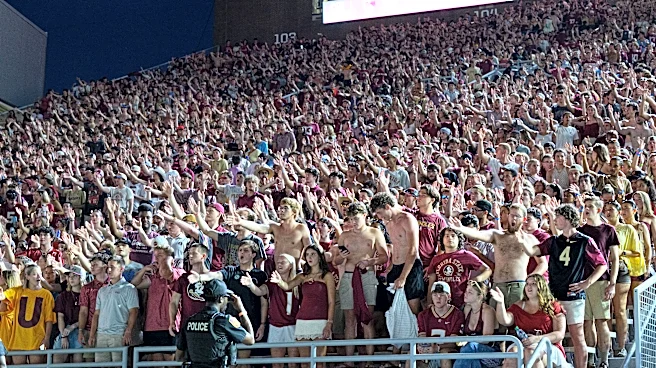
This power outage significantly impacts the logistics and fan experience of a major college football game. For Florida State, hosting a ranked opponent in their ACC opener is a high-profile event, and such delays can disrupt game-day operations, broadcast schedules, and the rhythm of the teams. Fans in attendance faced prolonged waiting times, and those watching on ESPN experienced an extended pre-game period. From a broader perspective, infrastructure failures at large sporting venues highlight potential vulnerabilities in event management and facility maintenance. The incident also affects the players' pre-game routines and mental preparation, as an unexpected delay can alter their focus and physical readiness for competition. The financial implications could include potential refunds or compensation for affected attendees, as well as costs associated with emergency repairs and operational adjustments.
What's Next?
Following the restoration of power and the eventual kickoff, the immediate focus will be on the game itself and how the delay might have affected player performance and game flow. Stadium authorities will likely conduct a thorough investigation into the cause of the transformer failure to prevent future occurrences, potentially leading to upgrades in the stadium's electrical infrastructure. For fans, the extended wait will test their patience, but the resumption of the game will likely bring renewed excitement. Broadcasters will adjust their schedules to accommodate the delayed start and extended game time. In the short term, both teams will need to quickly re-acclimate to game conditions after the unexpected break, which could influence early game dynamics.
Beyond the Headlines
Beyond the immediate disruption, this incident could prompt a broader review of emergency preparedness and infrastructure resilience at major sports venues across the country. Stadiums, as critical public gathering places, are expected to have robust systems to handle unforeseen events. A power outage during a high-profile game underscores the importance of redundant power systems and comprehensive emergency protocols. This event might also spark discussions about the age and maintenance of electrical grids serving large facilities, especially in areas prone to extreme weather or high usage. The incident serves as a reminder that even with meticulous planning, unexpected technical failures can significantly impact large-scale public events, necessitating adaptable response strategies and transparent communication with the public.