




What's Happening?
Sand Valley, a golf resort in Wisconsin, recently hosted its annual Elemental Wellness Retreat, led by wellness educators James Stewart and Jesse Coomer of Jesse & James Elemental Adventures. The retreat, held amidst the snowy landscape of the resort,
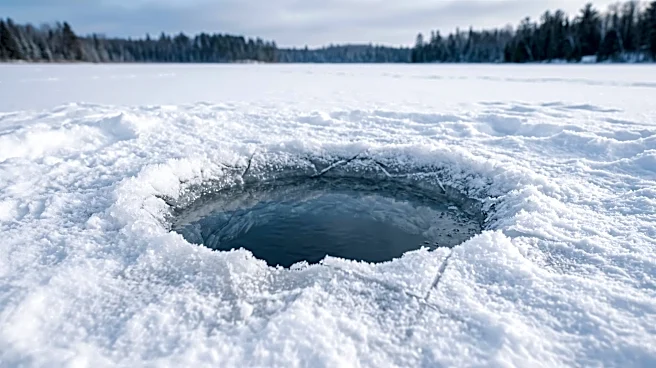
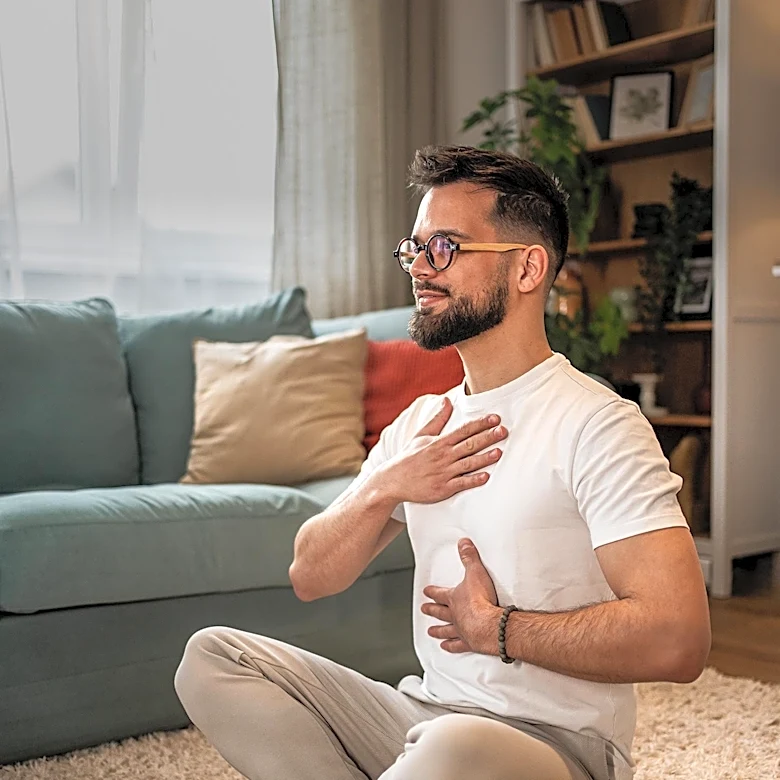
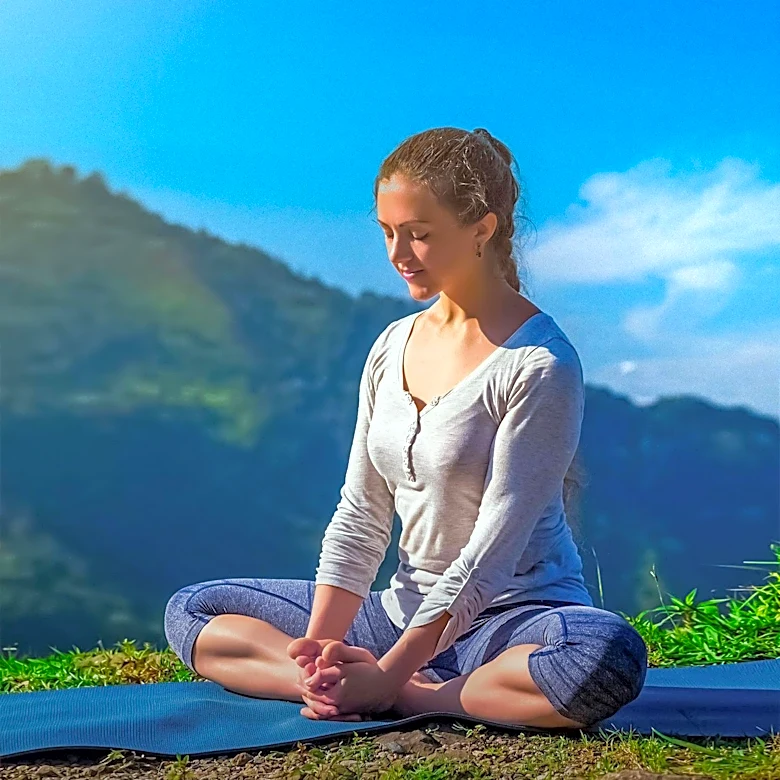
focused on breathwork, cold exposure, and movement. Attendees, primarily from the Midwest but also including a National Parks firefighter from Arizona, gathered with a common goal of wellness. The program included daily yoga, mini-lessons on the science of breathwork, and various techniques. A significant component of the retreat involved hot and cold exposure, with participants engaging in sauna sessions and cold plunges into an icy lake, for which a hole had to be cut with a chainsaw. The event aimed to provide participants with tools to regulate their nervous systems and embrace new experiences, even for those initially hesitant about cold exposure.
Why It's Important?
This retreat highlights a growing trend in the wellness industry, where individuals seek structured programs to improve physical and mental well-being through unique experiences. The focus on breathwork and cold exposure reflects increasing interest in alternative health practices that promise benefits like nervous system regulation and enhanced resilience. For resorts like Sand Valley, offering such specialized retreats during off-peak seasons, like winter, provides a diversified revenue stream and attracts a different clientele beyond traditional golf enthusiasts. This trend also underscores a societal shift where people are willing to invest in experiences that offer a break from daily routines and provide tools for self-improvement, indicating a robust market for experiential wellness tourism in the U.S.
What's Next?
The success of retreats like the Elemental Wellness Retreat at Sand Valley suggests a continued expansion of specialized wellness programs across various U.S. resorts and destinations. We can anticipate more venues adapting their offerings to include unique wellness experiences, potentially incorporating other nature-based therapies, digital detox programs, or holistic healing practices. The growing demand for such retreats may also lead to increased collaboration between hospitality providers and wellness educators, further professionalizing and diversifying the market. Future retreats might also integrate more personalized wellness assessments and post-retreat engagement strategies to maintain participant well-being beyond the event.
Beyond the Headlines
The appeal of wellness retreats that incorporate challenging elements like cold exposure points to a deeper cultural desire for resilience and mastery over discomfort in modern life. In an era often characterized by convenience, intentionally seeking out and enduring physical challenges in a supportive environment can foster a sense of accomplishment and inner peace. This trend also touches upon the concept of 'quiet luxury' in wellness, where the value lies not in ostentatious displays but in the ability to access fundamental human needs like silence, rest, and connection with nature, which have become scarce commodities. The willingness to pay for these experiences reflects a re-evaluation of what constitutes true luxury and well-being in contemporary society.