
What's Happening?
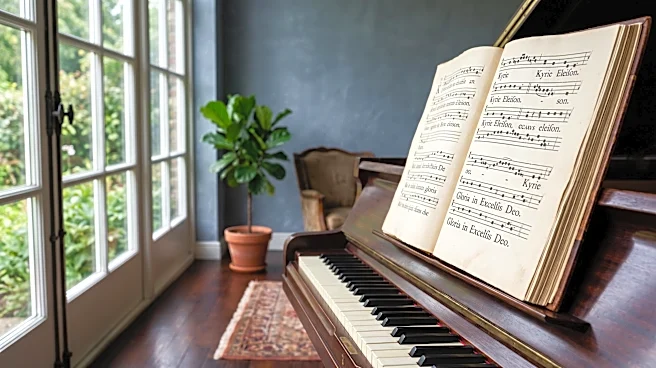
Darrell Anthony St. Romain, a Black Catholic musician and director of sacred music at St. Mary's Catholic Church and School in Temple, Texas, advocates for Black Catholic musicians to study Gregorian chant.
St. Romain, whose musical identity was shaped by the Black Catholic aesthetic of his youth, found a significant gap in his formal music education regarding Gregorian chant. Despite earning multiple degrees in music, his academic understanding of chant was minimal. This became apparent in his current role, where his parish, a diverse community, desires more traditional liturgical elements, including Gregorian chant. Recognizing the community's piety and the need for deeper integration of chant, St. Romain pursued rigorous study of the genre, finding it transformative both intellectually and spiritually. He argues that a deeper understanding of Gregorian chant can enrich Black Catholic congregational song, aligning it with the magisterium's vision for sacred music while remaining rooted in the African American experience.
Why It's Important?
This perspective highlights a significant discussion within the U.S. Catholic Church regarding the integration of diverse musical traditions. For Black Catholic communities, it suggests a path to reconcile their rich cultural expressions with the universal liturgical heritage of the Church. By studying Gregorian chant, musicians can gain a deeper understanding of the structural and theological foundations of Catholic sacred music, which can then inform and elevate contemporary Black Catholic liturgical music. This integration could lead to a more unified yet culturally rich sacred soundscape, fostering a deeper sense of belonging and spiritual connection for congregants. It also addresses a potential gap in music education within Catholic institutions, emphasizing the practical necessity for church musicians to understand foundational liturgical music regardless of their primary musical tradition.
What's Next?
The call for Black Catholic musicians to study Gregorian chant could lead to increased interest in specialized liturgical music programs and workshops focusing on this integration. Seminaries and Catholic universities might see a demand for more comprehensive courses that bridge diverse musical traditions within the Church. This could also spark further dialogue and initiatives within dioceses and parishes to explore how Gregorian chant can be respectfully and meaningfully incorporated into various cultural liturgical settings. Musicians and liturgical leaders may begin to experiment with blending elements of chant with existing Black Catholic musical forms, potentially creating new expressions of sacred music that honor both heritage and tradition.
Beyond the Headlines
This initiative touches upon broader themes of cultural identity, theological understanding, and liturgical authenticity within the Catholic Church. It challenges the notion that traditional forms of worship are exclusive to certain cultural groups and encourages a more inclusive approach to sacred music. By advocating for the study of Gregorian chant, St. Romain implicitly suggests that a deeper engagement with the Church's historical musical patrimony can enrich, rather than diminish, diverse cultural expressions. This could foster a more profound sense of unity within the Church, demonstrating how different traditions can inform and elevate one another, ultimately contributing to a richer and more universal worship experience that respects both historical continuity and cultural diversity.