



What's Happening?
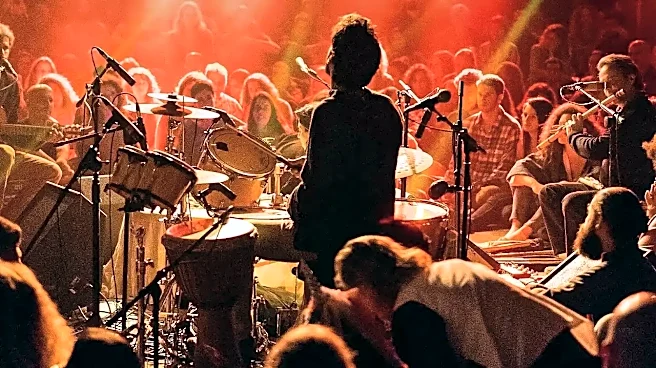
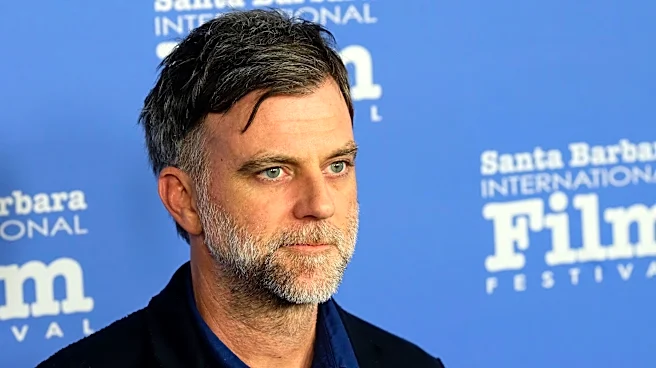
Filmmaker Paul Thomas Anderson has directed a new concert film titled 'Cameron Winter at Carnegie Hall,' which captures musician Cameron Winter's performance at the iconic venue. The film, approximately 70 minutes long, was shot on December 11, 2025,
amidst Anderson's awards-season commitments for his previous work, 'One Battle After Another.' It features Winter, then 23 years old, performing solo at a piano with a minimalist lighting scheme. The setlist includes material from Winter's 2024 solo debut 'Heavy Metal,' two earlier songs, and three previously unreleased tracks. Anderson himself served as one of the camera operators, alongside actor and filmmaker Benny Safdie, who is also credited as a co-producer. The film is noted for its dynamic camera work, which avoids a static feel by constantly changing camera placements, offering unique perspectives such as rushing out onto the stage from backstage.
Why It's Important?
This film marks a notable artistic departure for Paul Thomas Anderson, following his critically acclaimed and Oscar-winning 'One Battle After Another' with a more intimate, documentary-style project. The collaboration highlights the intersection of established cinematic talent with emerging musical artistry, potentially introducing Cameron Winter, a member of the band Geese, to a broader audience. Winter's decision to release a collection of downbeat ballads while his band was gaining traction, and now to be featured in a film by a director of Anderson's caliber, underscores a unique artistic independence. The film's focus on the raw performance and emotional depth of Winter's music, particularly how it recontextualizes his album tracks, could influence how concert films are perceived and produced, emphasizing artistic integrity over commercial spectacle.
What's Next?
The release of 'Cameron Winter at Carnegie Hall' is expected to generate discussion within both the film and music industries regarding the evolving formats of artistic collaboration and presentation. For Cameron Winter, this film could significantly elevate his profile as a solo artist, potentially leading to increased recognition and new opportunities beyond his work with Geese. For Paul Thomas Anderson, this project demonstrates his versatility and willingness to explore different storytelling mediums, suggesting he may continue to engage with diverse artistic endeavors outside of traditional narrative features. The film's reception will likely influence future decisions by other filmmakers and musicians considering similar collaborative concert film projects, potentially setting a precedent for how such performances are documented and shared with global audiences.
Beyond the Headlines
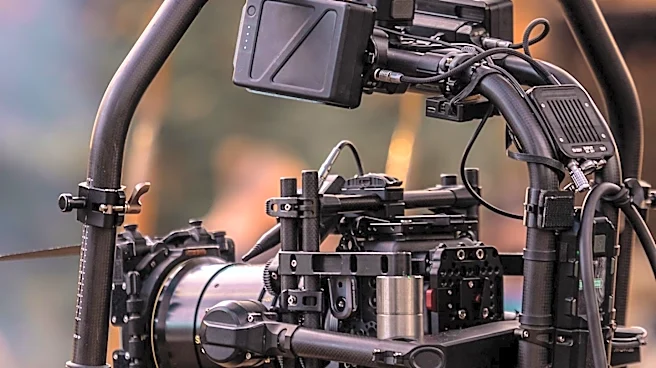
The film's subtitle, 'Dead at 23,' adds a layer of enigmatic depth, inviting viewers to ponder its meaning in relation to Winter's performance and artistic journey. This choice, combined with Winter's stage presence—often turned away from the audience or obscured by lighting—suggests a deliberate artistic statement about vulnerability, introspection, and the artist's relationship with their audience. Anderson's decision to shoot on 35mm and 16mm film, rather than digital, further emphasizes a commitment to a particular aesthetic and tactile quality, which could be seen as a commentary on the enduring value of traditional filmmaking techniques in an increasingly digital age. The collaboration between Anderson and Winter, described as 'just what each of them needed at that moment,' hints at a deeper artistic synergy that transcends a simple director-performer relationship, possibly reflecting shared creative sensibilities or a mutual exploration of artistic identity.