



What's Happening?
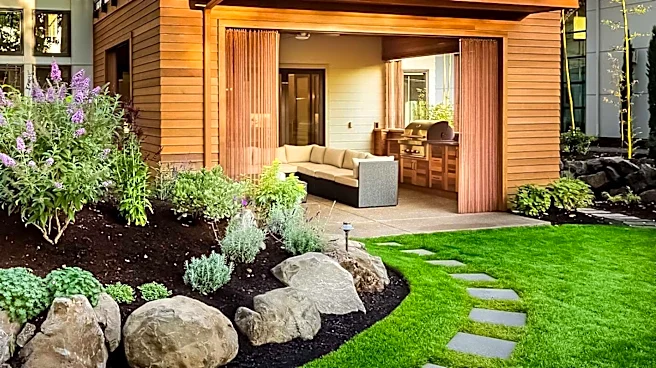
Urban gardens are increasingly incorporating artificial grass as a solution to enhance outdoor living spaces in crowded cities. This trend is driven by the desire for aesthetic appeal and functionality, coupled with low-maintenance benefits tailored to the urban
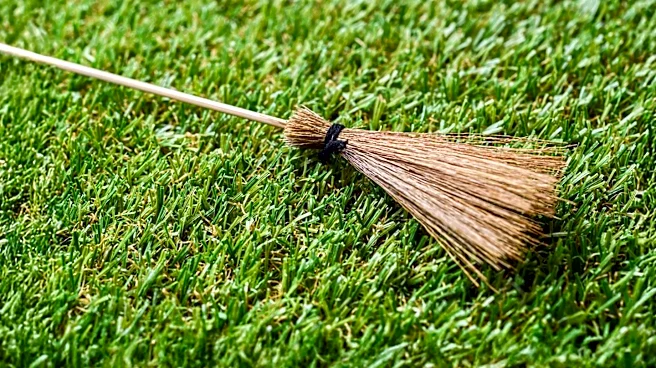
lifestyle. Artificial grass offers drought resistance, contributing to water conservation by eliminating the need for irrigation. It also provides versatile aesthetic appeal, allowing for customization in various shades and textures to fit different design visions, from small balconies to rooftop gardens. The primary advantage for urban dwellers is the significantly reduced maintenance, as synthetic turf does not require mowing, fertilizing, or pesticides, freeing up time for busy individuals to enjoy their outdoor spaces. Integriturf highlights these benefits, emphasizing the sustainability and practicality of synthetic turf for modern urban living.
Why It's Important?
The adoption of artificial grass in urban gardens signifies a shift towards more sustainable and practical landscaping solutions in densely populated areas across the U.S. This trend is particularly important for urban residents facing challenges such as limited space, time constraints for garden upkeep, and water scarcity. By conserving water, artificial grass contributes to environmental sustainability efforts, which is crucial in regions prone to drought. Economically, it can lead to reduced water bills and lower long-term maintenance costs for homeowners and property managers. Socially, it allows urban dwellers to create and enjoy green spaces without the intensive labor typically associated with natural lawns, fostering a better quality of life and promoting outdoor relaxation and social gatherings. This innovation addresses both environmental concerns and lifestyle demands in urban environments.
What's Next?
The continued growth of artificial grass in urban settings is anticipated, with further innovations in product quality, realism, and sustainability. As more urban residents seek convenient and eco-friendly gardening options, the demand for synthetic turf is likely to increase. Manufacturers like Integriturf will likely focus on developing even more advanced materials that mimic natural grass more closely while maintaining their low-maintenance and water-saving properties. Educational initiatives may also emerge to inform the public about proper installation and maintenance techniques for artificial grass, ensuring its longevity and aesthetic appeal. Additionally, urban planning and design will likely integrate artificial turf into public and private green spaces, recognizing its benefits for urban resilience and livability.
Beyond the Headlines
Beyond the immediate benefits, the rise of artificial grass in urban gardens touches upon broader implications for urban ecology and human interaction with nature. While offering practical advantages, the widespread use of synthetic materials in green spaces raises questions about biodiversity and the ecological functions that natural lawns provide, such as supporting local insect populations and soil health. There's a subtle shift in the perception of 'green space' from natural ecosystems to engineered landscapes. This trend could also influence urban design philosophies, potentially leading to more innovative combinations of natural and artificial elements to create hybrid green spaces. The ethical consideration of replacing living ecosystems with synthetic alternatives, even for practical reasons, will likely become a more prominent discussion point as this trend evolves.