


What's Happening?
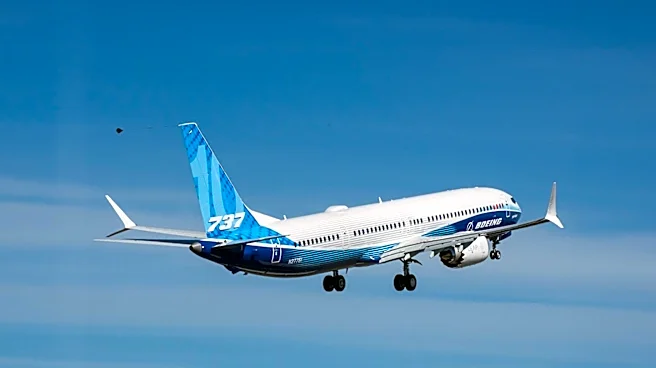
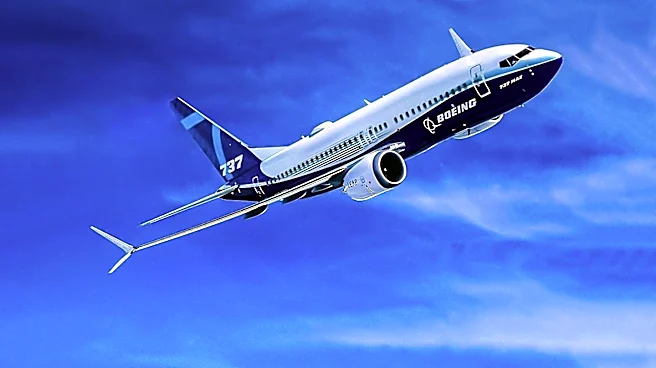
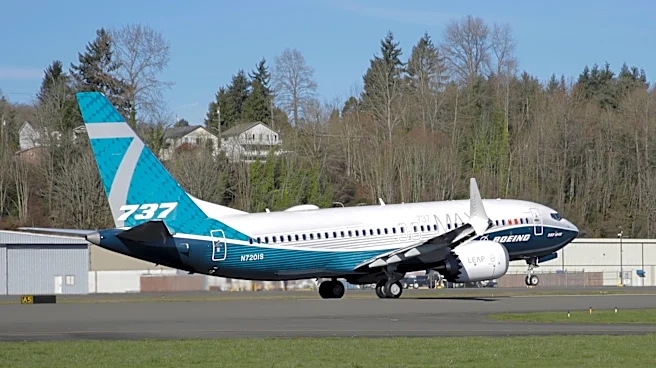
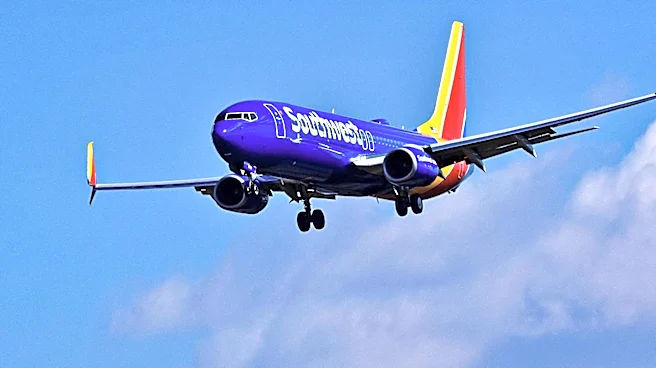
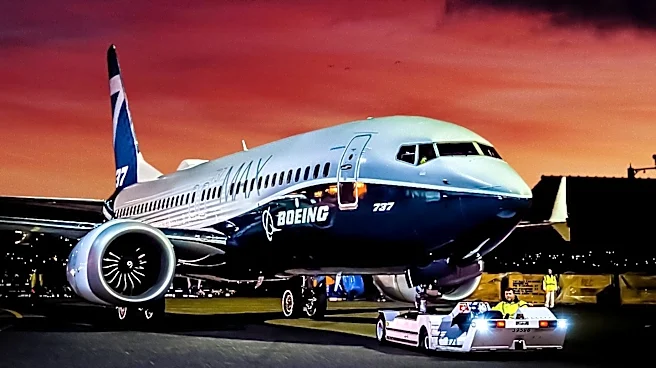
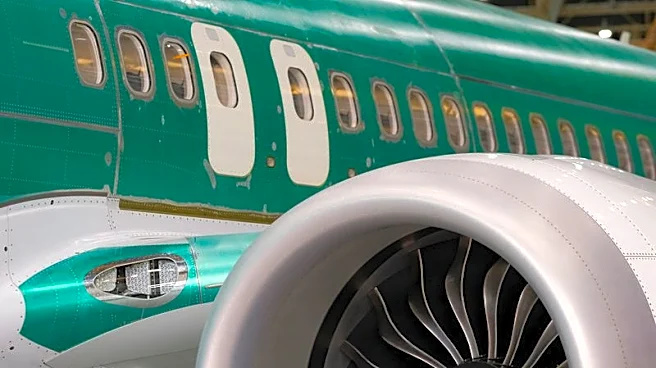
The Federal Aviation Administration (FAA) has certified Boeing's 737 MAX 7 after nearly a decade of development and technical adjustments. Southwest Airlines, the launch customer, plans to take delivery of up to 82 aircraft by the end of the year but
does not intend to operate them until 2027. The certification process involved resolving complex technical issues, including engine modifications and updates to flight controls. Despite the certification, Southwest has adjusted its order, converting some 737-7 orders to larger 737-8 models, reflecting strategic fleet planning.
Why It's Important?
The certification of the Boeing 737 MAX 7 is a pivotal moment for Boeing, marking the resolution of long-standing technical and regulatory challenges. For Southwest Airlines, the delay in operational plans until 2027 indicates a cautious approach to integrating the new aircraft into its fleet. This development is crucial for Boeing's reputation and financial performance, as it seeks to regain trust and market share following past setbacks. The decision by Southwest to convert some orders to larger models also highlights the airline's strategic focus on capacity and efficiency.
What's Next?
With the 737 MAX 7 now certified, Boeing and Southwest will focus on preparing for the aircraft's integration into the airline's operations. This includes potential adjustments to delivery schedules and fleet management strategies. The broader industry will be watching closely to see how these developments impact Boeing's market position and future aircraft orders. Additionally, the certification of the larger 737 MAX 10 is anticipated in the coming months, which could further influence airline fleet strategies and Boeing's production plans.