







What's Happening?
Dermatologists at Peak Skin Center in Fuquay-Varina, NC, emphasize that a significant portion of what is commonly perceived as 'old-looking skin' is, in fact, accumulated sun damage rather than natural aging. This phenomenon, termed photoaging, results
from repeated exposure to ultraviolet (UV) radiation from the sun and tanning beds. Unlike normal aging, photoaging predominantly affects areas frequently exposed to the sun, such as the face, neck, chest, forearms, and hands. UV radiation damages collagen and elastin in the skin's deeper layers, leading to thinning, reduced firmness and elasticity, increased wrinkling, uneven skin tone, and rougher texture. Sun exposure also contributes to pigment changes like freckles, brown spots, blotchiness, redness, and visible capillaries. The effects of sun damage accumulate over many years, often becoming visible in later decades, even if the skin appears healthy in earlier life. Tanning beds are noted to accelerate these changes due to concentrated UV exposure.
Why It's Important?
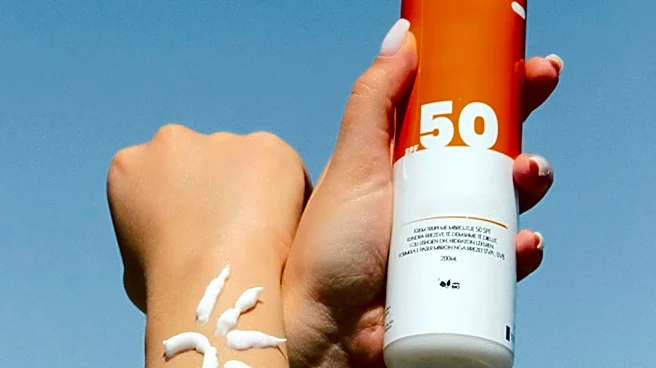
This information is crucial for public health and skincare practices across the U.S., highlighting that many visible signs of aging are preventable. By understanding that photoaging is distinct from chronological aging, individuals can adopt proactive measures to protect their skin, potentially reducing the need for extensive cosmetic treatments later in life. The emphasis on early protection underscores the long-term benefits of sun-safe behaviors, such as daily sunscreen use, wearing protective clothing, and seeking shade. This understanding can influence consumer choices in skincare products and encourage broader public health campaigns focused on UV protection. For the dermatology and cosmetic industries, it reinforces the importance of preventative care and educational outreach, while also shaping the demand for treatments that address existing sun damage, such as laser resurfacing and chemical peels.
What's Next?
Increased awareness of photoaging is likely to drive greater adoption of sun protection strategies among the U.S. population. This could lead to a rise in the sales of broad-spectrum sunscreens with SPF 30 or higher, as well as sun-protective apparel. Dermatological practices may see an increased demand for consultations regarding sun damage prevention and treatment options. Educational initiatives from health organizations and skincare brands are expected to further disseminate information about the long-term effects of UV exposure. Future research may focus on more advanced methods of preventing and reversing photoaging, potentially leading to new product developments and treatment modalities. The ongoing emphasis on early intervention suggests a shift towards a more preventative approach in skincare.
Beyond the Headlines
The distinction between natural aging and photoaging carries broader implications for societal perceptions of beauty and aging. By identifying sun damage as a primary cause of visible skin aging, it challenges the notion that all signs of aging are inevitable or solely genetic. This perspective empowers individuals to take more control over their skin's appearance and health. Ethically, it underscores the responsibility of the tanning industry to inform consumers about the risks of UV exposure. Culturally, it may contribute to a shift away from the idealization of tanned skin, promoting healthier skin practices. Long-term, a greater understanding of photoaging could lead to a reduction in skin cancer rates, as the same UV exposure that causes premature aging also increases cancer risk, thereby impacting public health outcomes significantly.