







What's Happening?
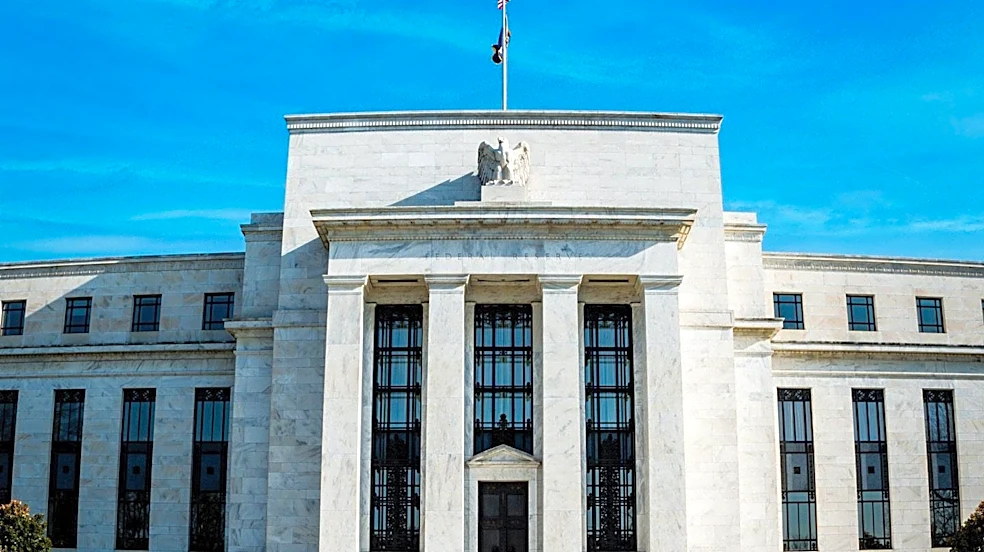
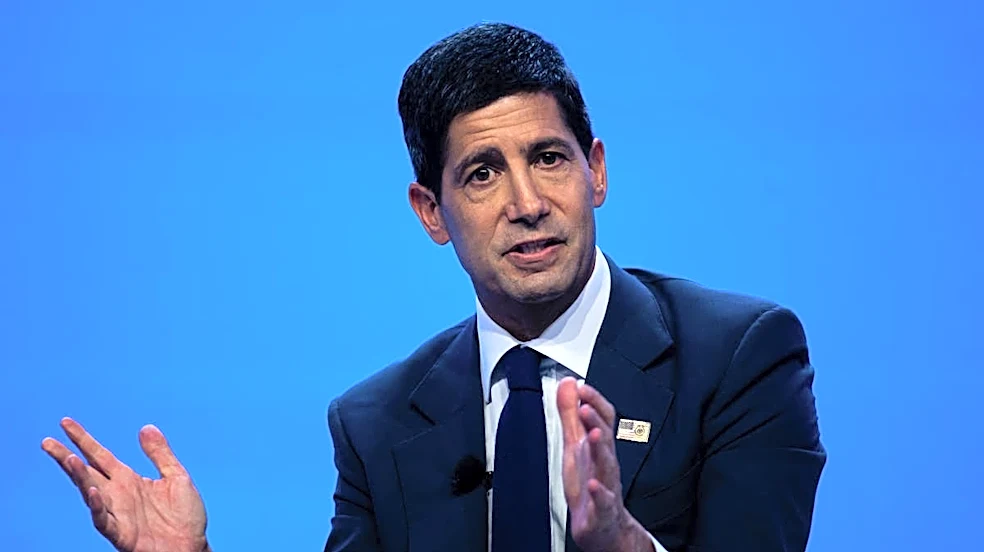
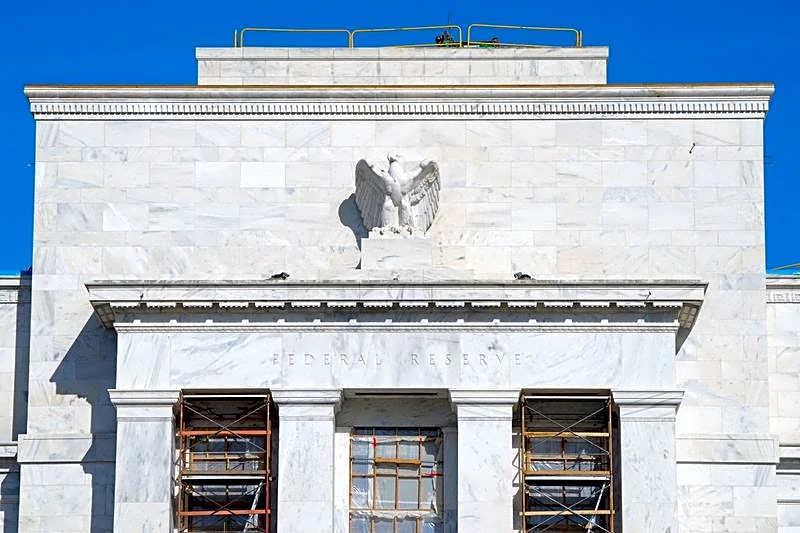
The Brookings Institution has put forth a proposal for monetary policy reforms aimed at significantly reducing the Federal Reserve's balance sheet from approximately $6.8 trillion to $4.5 trillion. This initiative, suggested by Chris Hughes, a non-resident
fellow at the Hutchins Centre on Fiscal and Monetary Policy, also includes cutting bank reserves held at the U.S. central bank from around $3 trillion to $1 trillion. The proposed changes seek to overhaul the Fed's operating framework, moving away from the current ample reserves system towards an elastic reserves model. This new model would allow the Fed to meet banks' liquidity needs flexibly without maintaining permanently large reserve balances. The Fed's asset holdings had surged from under $1 trillion to a peak of about $9 trillion in 2022 due to bond purchases to support the economy, particularly during the Covid-19 pandemic, and have been gradually reduced since then.
Why It's Important?
This proposal is significant because it challenges the current operational framework of the Federal Reserve, which Federal Reserve Bank of New York President John Williams stated remains effective in controlling interest rates and supporting financial markets. Critics like Kevin Warsh argue that large holdings of U.S. government bonds and mortgage-backed securities can distort markets and influence long-term borrowing costs. A reduction in the balance sheet and bank reserves could alter the dynamics of the U.S. financial system, potentially impacting interest rates, bank lending, and overall market stability. The shift to an elastic reserves model could also change how the Fed manages liquidity, affecting banks' operational costs and their ability to extend credit. The debate highlights differing philosophies on central bank intervention and its long-term effects on the economy.
What's Next?
Chris Hughes is urging the Fed's working group to develop a concrete plan to implement these proposed reforms. The execution of these changes would require leadership from the Fed chair, and some aspects might necessitate legislative support from the U.S. Congress. The proposal suggests several adjustments, including removing the cap on the standing repo facility, setting its interest rate above the rate paid on bank reserves, and introducing a four-month liquidity facility with an auction mechanism and a broader range of eligible collateral. Additionally, the Fed would retain the Discount Window for emergency lending, shift its securities holdings towards short-term U.S. government debt, and use the Secured Overnight Financing Rate (SOFR) as its operational target instead of the federal funds rate. Adjustments to banking regulations and the management of the U.S. government’s cash balances at the Fed are also proposed to reduce banks’ reserve requirements.
Beyond the Headlines
The Brookings Institution's proposal delves into the fundamental structure of monetary policy, raising questions about the optimal size and role of the central bank's balance sheet in a modern economy. The shift from an ample reserves system to an elastic reserves model implies a philosophical change in how the Fed views its function in providing liquidity and managing financial stability. This could have long-term implications for the independence of the Fed, as some changes might require congressional approval, potentially increasing political influence over monetary policy. Furthermore, the debate over the impact of large bond holdings on market distortions touches upon the broader discussion of central bank asset purchases and their effects on capital allocation and economic efficiency. The outcome of this discussion could redefine the tools and strategies available to the Fed in responding to future economic crises.