



What's Happening?
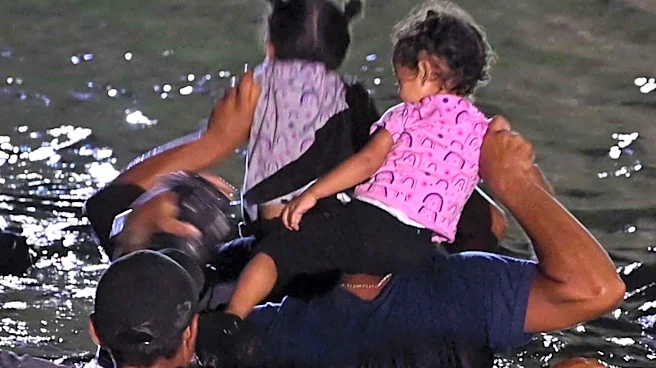
French travel influencer Emma Marie Laurent, 24, was among three women who died when a pickup truck carrying a group of travelers was swept away by strong currents while attempting to cross the Nahualapa River in Nicaragua. The incident occurred around
1 a.m. on October 9 in El Manzano, Chinandega, following heavy rainfall that caused the river to rise to dangerous levels. The driver, Mexican national Martin Gerardo García Girón, reportedly assessed the water level before attempting the crossing, but the current proved too powerful, overturning the vehicle. While the driver survived, accounts differ on the survival of other passengers. Nicaraguan co-President Rosario Murillo offered condolences and warned about the dangers of crossing rivers during the rainy season, emphasizing the deceptive nature of seemingly calm waters. Laurent had a significant online following, nearly 43,000 on Instagram, where she shared her global travels and reflections on appreciating everyday moments.
Why It's Important?
This tragic incident underscores the inherent risks associated with travel, particularly in regions prone to severe weather conditions and challenging terrain. For the travel influencer community, it highlights the fine line between adventurous content creation and personal safety, prompting a reevaluation of risk assessment in pursuit of unique experiences. The event serves as a somber reminder for travelers, especially those who document their journeys for public consumption, to prioritize safety over content opportunities. It also brings attention to the responsibilities of tour operators and drivers in ensuring the well-being of their passengers, particularly when navigating hazardous natural environments. The loss of a young influencer with a significant following can impact the broader travel community by raising awareness about the potential dangers of certain travel activities and encouraging more cautious approaches to exploration.
What's Next?
Authorities in Nicaragua are investigating the circumstances surrounding the river crossing to determine if any negligence or misjudgment contributed to the tragedy. This investigation may lead to increased scrutiny of safety protocols for tour operators and transportation services in areas with similar environmental risks. For the travel influencer community, this event could prompt discussions and initiatives focused on promoting safer travel practices and responsible content creation. Influencers may become more vocal about sharing safety tips and highlighting potential dangers, alongside the aspirational aspects of travel. There might also be a push for greater transparency from travel companies regarding the risks involved in certain excursions, particularly during adverse weather conditions. The incident could also influence how travel insurance policies are structured, potentially emphasizing coverage for high-risk activities.
Beyond the Headlines
Beyond the immediate tragedy, this event touches upon the broader implications of influencer culture and the pursuit of unique content. The pressure to constantly deliver engaging and often adventurous material can inadvertently lead individuals to take risks they might otherwise avoid. This raises ethical questions about the responsibility of platforms and audiences in encouraging such content, and the mental health implications for creators who feel compelled to push boundaries. The incident also highlights the vulnerability of individuals, regardless of their online presence, to natural forces and the importance of local knowledge and warnings. It serves as a stark reminder that even seemingly picturesque travel can carry significant dangers, and that the digital facade of adventure does not negate real-world risks.