



What's Happening?
The Cuban 'reparto' music genre, which originated in Havana's working-class neighborhoods two decades ago, is now establishing itself within the Latin American music industry. This genre, once marginalized in Cuba, has achieved millions of streams on digital
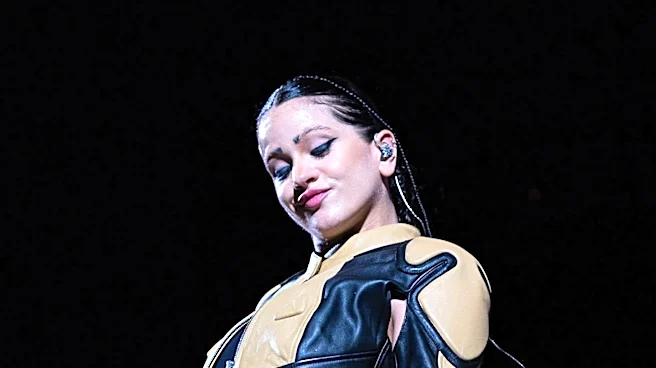
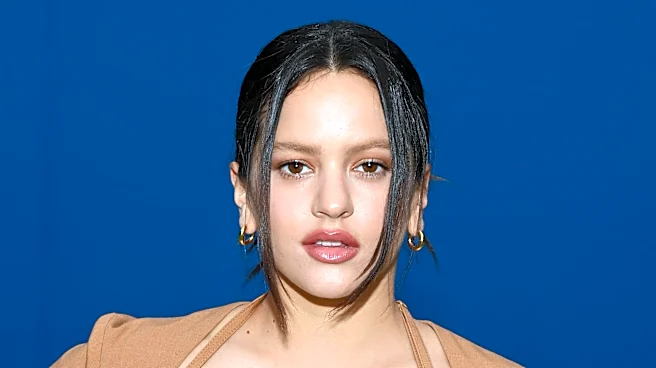
platforms. Influenced by Cuban timba and reggaeton, 'reparto' is characterized by its fast rhythms, catchy choruses, distinctive choreography, and street slang. Prominent artists in the genre include Bebeshito, Charly & Johayron, Ja Rulay, and Helabusador. Spanish singer Rosalía has expressed admiration for the genre, and Puerto Rican artist Daddy Yankee has incorporated elements of 'reparto' into his latest album, according to an AFP report. The genre's international expansion has been significantly aided by the spread of mobile internet in Cuba, the rise of platforms like TikTok, and the emigration of Cuban artists. Miami, with its large Cuban community, has become a central hub for the production, promotion, and marketing of 'reparto' music. Despite not receiving nominations at the latest Billboard Latin Music Awards, several 'reparto' artists attended the event in Miami.
Why It's Important?
The rise of 'reparto' music signifies a notable shift in the Latin music landscape, demonstrating how grassroots cultural expressions can achieve global recognition through digital platforms and diaspora communities. This phenomenon provides a new avenue for Cuban artists to gain international exposure and economic opportunities, particularly in a country facing significant economic challenges. The genre's success highlights the power of social media, especially TikTok, in driving music trends and fostering global dance challenges, which further amplifies its reach. The embrace of 'reparto' by established artists like Daddy Yankee and Rosalía indicates its growing influence and potential to shape mainstream Latin music. Furthermore, the genre's evolution, including the emergence of 'Christian reparto,' reflects its adaptability and broader cultural impact, challenging previous societal perceptions within Cuba where it was once frowned upon. This movement also underscores Miami's crucial role as a cultural bridge and springboard for Latin American artists seeking international careers.
What's Next?
The continued internationalization of 'reparto' music is expected, with more artists potentially gaining recognition and securing collaborations with mainstream Latin music figures. As the genre gains traction, there may be increased investment from music labels and producers, further professionalizing its production and distribution. The success of 'reparto' artists on digital platforms suggests a future where independent artists, particularly from regions with limited traditional industry infrastructure, can leverage social media for global reach. We may also see more 'reparto' artists featured in major music awards and festivals as their popularity grows. The economic opportunities created by this genre could also inspire more young Cubans to pursue music careers, potentially leading to a more vibrant and diverse music scene both within Cuba and among its diaspora. The ongoing influence of 'reparto' on dance trends and social media challenges is also likely to continue, driving its visibility and engagement worldwide.
Beyond the Headlines
The emergence of 'reparto' music as an international phenomenon reflects deeper socio-economic and cultural shifts. In Cuba, where economic hardship is prevalent, 'reparto' offers a tangible path to economic prosperity for young people, often outside traditional state-controlled industries. This highlights the resilience and entrepreneurial spirit of artists who create independent studios and networks to produce and distribute their music. The genre's journey from clandestine circulation via USB drives to global streaming platforms also underscores the transformative power of digital technology in democratizing cultural production and consumption. Ethically, it raises questions about equitable monetization for artists still residing in Cuba, who often rely on collaborators abroad to manage digital revenue. Culturally, the genre's shift from being 'frowned upon' to widely embraced within Cuba signifies evolving social norms and a greater acceptance of urban, street-level artistic expressions. This cultural shift could also influence other artistic forms and social movements within the country, reflecting a broader desire for self-expression and connection with global trends.