




What's Happening?
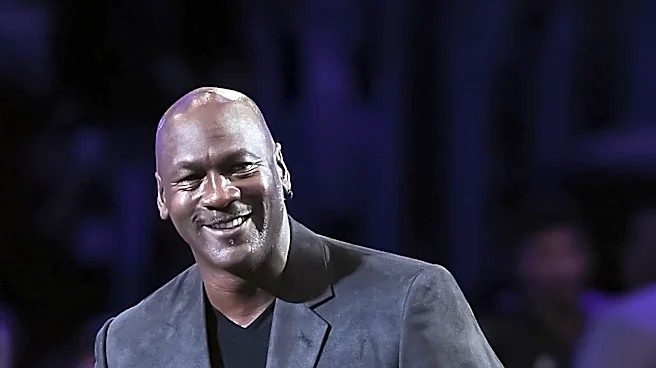
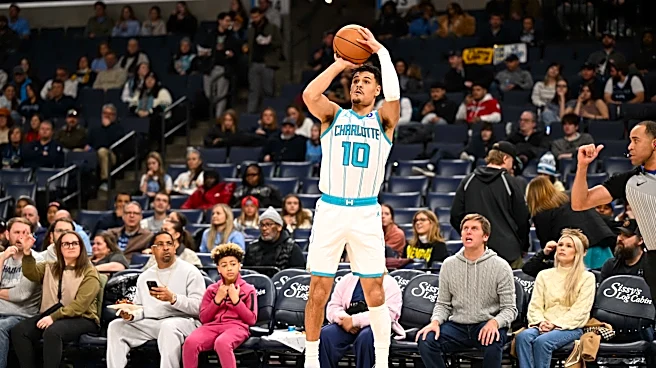
In 2023, a group led by Gabe Plotkin and Rick Schnall acquired a majority stake in the Charlotte Hornets from Michael Jordan. The deal was reportedly valued at approximately $3 billion. Michael Jordan, who had been the majority owner since 2010, retained
a minority interest in the franchise following the transaction. This sale marked a significant shift in ownership for the NBA team, which Jordan had purchased for an estimated $275 million in 2010. The transaction was approved by the NBA, facilitating the transfer of control to the new investment group. This move highlights the increasing valuation of NBA franchises and the strategic financial decisions made by high-profile sports figures.
Why It's Important?
This acquisition is important as it reflects the substantial appreciation of professional sports franchises in the U.S. market. The reported $3 billion valuation for the Charlotte Hornets, a team that did not achieve significant on-court success during Michael Jordan's majority ownership, underscores that franchise value is increasingly driven by factors beyond team performance, such as scarcity, national media rights, and revenue sharing agreements within the league. For investors like Rick Schnall and Gabe Plotkin, acquiring a majority stake in an NBA team represents entry into an exclusive and appreciating asset class. For Michael Jordan, the sale demonstrates how strategic ownership can generate immense wealth, far exceeding his earnings as a player, by leveraging the long-term growth of sports as a business. This trend impacts the broader sports industry, influencing investment strategies and the financial landscape of professional leagues.
What's Next?
Following the acquisition, the new ownership group led by Rick Schnall and Gabe Plotkin will likely focus on strategic initiatives to enhance the value and performance of the Charlotte Hornets. This could involve new management decisions, player acquisitions, and marketing strategies aimed at improving both the team's on-court results and its financial standing. Michael Jordan's continued minority interest suggests he will maintain some connection to the team, potentially offering advisory input or benefiting from future appreciation. The NBA will continue to monitor the financial health and operational stability of its franchises, with such high-value transactions setting precedents for future team sales and valuations across the league. The new leadership will face the challenge of balancing competitive success with business growth in a dynamic sports market.
Beyond the Headlines
The sale of the Charlotte Hornets transcends a simple business transaction, offering insights into the evolving economics of professional sports. It highlights a broader trend where sports franchises are viewed as lucrative investment vehicles, attracting high-net-worth individuals and investment groups. The significant return on investment for Michael Jordan, despite the team's limited on-court success, challenges the traditional notion that winning directly correlates with financial value in sports ownership. This phenomenon is largely due to the unique market dynamics of professional leagues, including limited team availability, robust media rights deals, and shared revenue streams that insulate owners from direct performance risks. The transaction also underscores the power of brand and celebrity in sports, as Jordan's initial ownership brought considerable attention and credibility to the franchise, contributing to its eventual high valuation. This case study will likely influence future investment decisions in sports, emphasizing the importance of structural economic factors over immediate athletic outcomes.