

What's Happening?
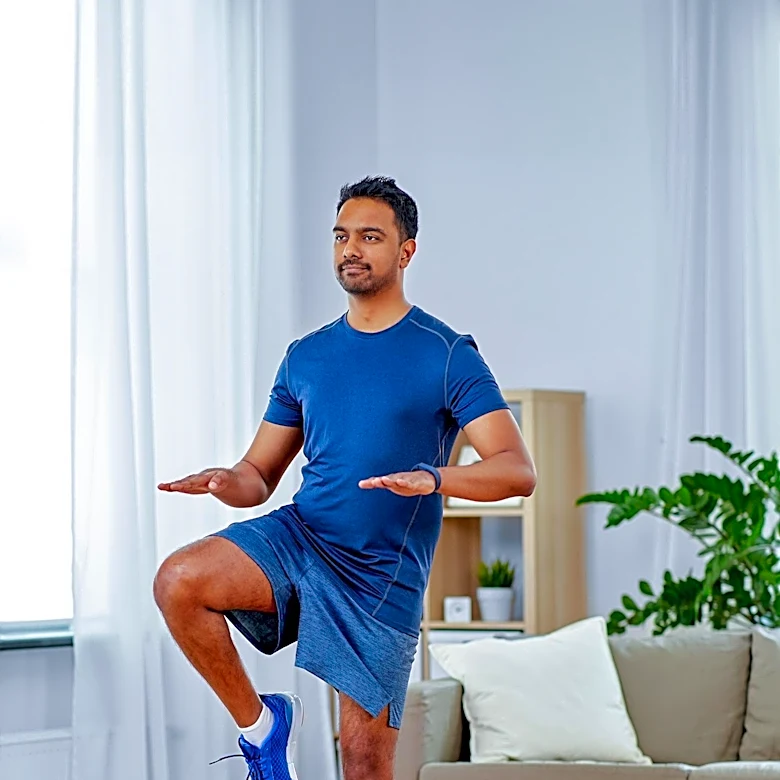
The 'Workout Women: Fitness App' provides a platform for individuals to build home workout routines at their own pace. The application features 100 animated exercises categorized across 10 different areas, including full body, chest, arms, shoulders,
back, abs and core, legs, glutes, cardio, and stretching/mobility. Users can follow guided sessions with exercise GIFs and written instructions, choosing workout durations of 30, 45, or 60 seconds per exercise, with options to pause, add rest, or skip rest. The app also includes voice guidance, a workout journal to track completed sessions and exercise totals, and a daily water tracker. It supports multiple languages, such as English, Arabic, French, German, Spanish, Italian, and Portuguese, and allows for offline access to exercise guides.
Why It's Important?
This fitness app is significant for U.S. consumers, particularly women, who are seeking convenient and accessible ways to maintain physical fitness from home. In an era where remote work and busy schedules are common, the ability to customize workouts without needing gym access or extensive equipment offers a practical solution. The inclusion of animated exercises and voice guidance makes it user-friendly for individuals of varying fitness levels, potentially lowering barriers to entry for those new to exercise. The tracking features promote accountability and goal setting, which are crucial for long-term adherence to a fitness regimen. This accessibility can contribute to improved public health outcomes by encouraging more people to engage in regular physical activity, addressing issues like sedentary lifestyles and promoting overall well-being.
What's Next?
The 'Workout Women: Fitness App' is likely to continue evolving with potential updates that could introduce more exercises, advanced tracking features, or integration with wearable fitness devices. As home fitness trends persist, such apps may explore personalized AI-driven workout recommendations or community features to enhance user engagement. The app's multi-language support suggests potential for broader international reach and adaptation to diverse user needs. For users, the next step involves consistently utilizing the app to establish and maintain a regular workout routine, leveraging its features to achieve their fitness goals. The app's success could also inspire further development in the digital fitness market, leading to more specialized or comprehensive home workout solutions.
Beyond the Headlines
The rise of home workout apps like 'Workout Women' reflects a broader societal shift towards self-directed wellness and the democratization of fitness. It underscores how technology is empowering individuals to take control of their health outside traditional institutional settings like gyms. This trend also highlights the increasing demand for flexible and personalized solutions that cater to individual schedules and preferences. The app's focus on bodyweight exercises and minimal equipment aligns with a growing interest in functional fitness and sustainable exercise practices. Furthermore, the emphasis on tracking and goal-setting taps into psychological principles of motivation and achievement, transforming fitness from a chore into a measurable and rewarding endeavor. This digital approach to health and wellness is likely to continue shaping how individuals perceive and engage with physical activity.