




What's Happening?
The United States has achieved a significant milestone in energy production, as highlighted in the June 2026 Monthly Energy Review (MER) by the Energy Information Administration. The report indicates that the U.S. energy system is operating efficiently,
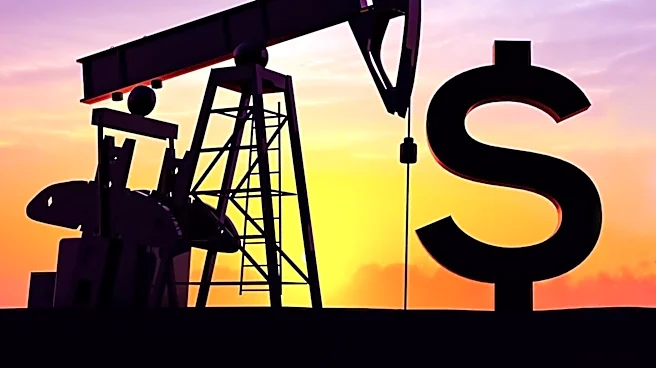
with strong production levels and stable consumption. However, the Short-Term Energy Outlook (STEO) presents a contrasting picture, emphasizing global market volatility and high energy prices due to geopolitical tensions, particularly in the Strait of Hormuz. Despite the U.S. producing more energy than it consumes, global disruptions have led to elevated prices, with Brent crude projected to average $95 per barrel in 2026. This situation underscores the complexity of a globally integrated energy market where supply security does not equate to price stability.
Why It's Important?
The distinction between energy supply and pricing is crucial for U.S. policymakers, investors, and consumers. While the U.S. has secured its energy supply, it remains vulnerable to global market fluctuations that affect pricing. This has significant implications for domestic energy policy and economic stability. High energy prices can impact consumer spending and inflation, influencing economic growth. For policymakers, the challenge lies in balancing domestic production with international market dynamics. The situation also highlights the importance of strategic reserves and diplomatic efforts to mitigate geopolitical risks. Understanding these dynamics is essential for stakeholders to navigate the complexities of the energy market.
What's Next?
Future developments in the global energy market will be closely watched, particularly regarding geopolitical tensions and OPEC's production strategies. The U.S. may need to enhance its diplomatic engagements and strategic reserves to buffer against price volatility. Additionally, there could be increased focus on renewable energy sources to reduce dependency on global oil markets. Policymakers and industry leaders will likely continue to monitor these trends to adapt strategies that ensure both energy security and economic stability.