






What's Happening?
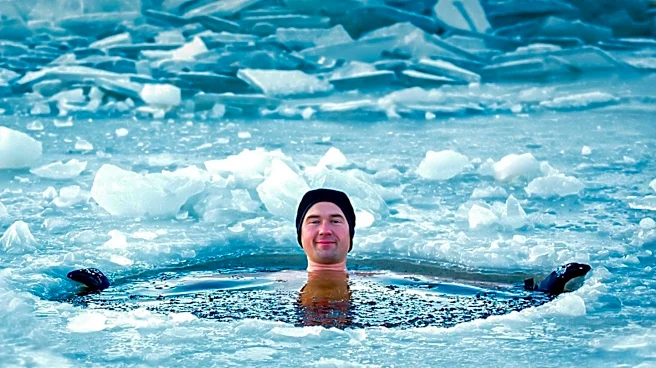
Recent research indicates that cold plunges, also known as cold water immersion, primarily offer a modest reduction in muscle soreness following intense exercise. A Cochrane review of 17 small trials found that cold water below 15°C (59°F) decreased muscle soreness for
24 to 96 hours post-exercise compared to rest. However, these trials were small and of low quality, and cold water did not consistently outperform contrast therapy or warm water. A larger 2022 review of 52 studies corroborated that individuals felt less sore and more recovered the day after high-intensity exercise, though their strength recovery was not accelerated. While some preliminary evidence suggests potential benefits for stress reduction and improved sleep, these findings are based on small studies, often involving only men, and are considered early-stage. Claims regarding enhanced immunity, reduced inflammation, and fat loss have not been substantiated by current trials. For instance, a 2025 review found no effect on immune markers, and inflammation markers actually rose in the short term after a dip. The optimal temperature range for cold plunges is generally between 10 and 15°C (50 to 59°F), with colder water not necessarily yielding better results, and shorter dips recommended for very cold temperatures.
Why It's Important?
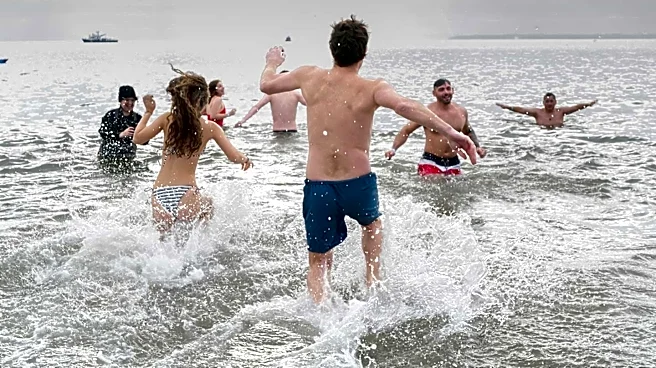
The clarification of cold plunge benefits is important for U.S. consumers and the wellness industry, which has seen a surge in popularity for these practices. Many wellness centers and fitness enthusiasts promote cold plunges with broad claims, potentially leading to unrealistic expectations and misallocation of resources. Understanding that the primary, well-supported benefit is a modest reduction in muscle soreness can help individuals make informed decisions about incorporating cold plunges into their routines. This scientific grounding can also guide businesses in the wellness sector to market their services more accurately, focusing on proven outcomes rather than speculative ones. Furthermore, the research highlights potential trade-offs, such as the blunting of strength and muscle gains if cold plunges are performed immediately after strength training, which is crucial for athletes and individuals focused on muscle development. This information can prevent practices that might inadvertently hinder fitness goals, ensuring that users optimize their recovery and training protocols.
What's Next?
As the scientific understanding of cold plunges evolves, future research will likely focus on larger, higher-quality trials to further validate preliminary findings related to stress and sleep. There is a need for more studies that include diverse populations, particularly women, to ensure broader applicability of results. The wellness industry may see a shift towards more evidence-based marketing and service offerings, potentially leading to clearer guidelines for consumers. Individuals considering cold plunges, especially those with underlying health conditions like heart disease or high blood pressure, are advised to consult with their doctors due to the risk of cold shock response, which can spike heart rate and blood pressure. This emphasis on medical consultation will likely become a standard recommendation, promoting safer adoption of cold water immersion practices. Additionally, further investigation into the optimal timing of cold plunges relative to different types of exercise could provide more precise recommendations for athletes and fitness enthusiasts.
Beyond the Headlines
The discourse surrounding cold plunges reflects a broader trend in the U.S. wellness landscape where anecdotal evidence and social media trends often outpace scientific validation. This situation raises ethical considerations for wellness providers to ensure transparency and accuracy in their claims. The emphasis on 'feeling better' rather than measurable physiological repair highlights the psychological component of recovery, suggesting that perceived benefits can be significant even if objective physiological changes are minimal. This also underscores the importance of critical thinking for consumers when evaluating health and wellness trends. The potential for cold plunges to interfere with muscle and strength gains if timed incorrectly also points to the complex interplay between different recovery modalities and training adaptations. This complexity necessitates a holistic approach to fitness and recovery, where individual goals and scientific evidence guide practice rather than generalized fads. The ongoing research will contribute to a more nuanced understanding, moving beyond simplistic 'cure-all' narratives to a more integrated view of cold water immersion as one tool among many in a comprehensive wellness strategy.