




What's Happening?
Archer Aviation, in collaboration with defense technology company Anduril, has introduced a new autonomous aircraft platform designed for both commercial and military applications. The platform, developed under a 2024 agreement, was unveiled at the Farnborough
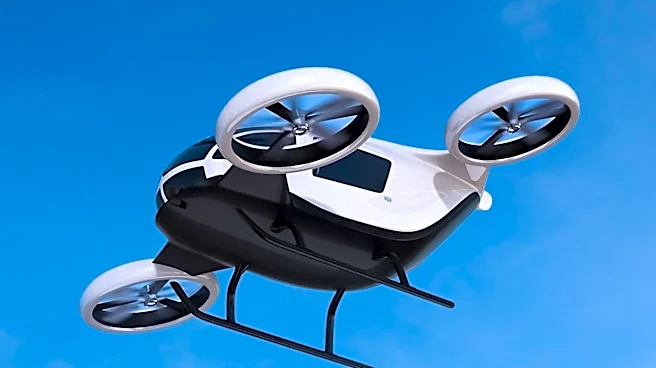
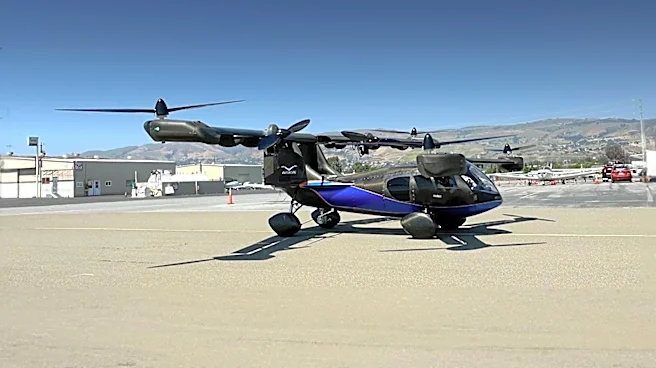
Airshow. Known as Thunder, this Group 5 autonomous attack rotorcraft is intended to operate alongside current and next-generation crewed attack and assault aircraft. Archer, primarily recognized for its electric air taxis, is expanding its focus beyond urban air taxi services due to challenges such as certification delays and infrastructure hurdles. The new platform utilizes a series hybrid-electric powertrain and tilt rotors, allowing it to adapt rotor speed across various flight conditions. This design supports a range of missions, including military strikes and cargo movement. Archer plans to announce its first commercial customers for the platform later this week.
Why It's Important?
The introduction of the Thunder platform marks a significant shift for Archer as it seeks to diversify its market presence beyond the urban air taxi sector, which has faced numerous challenges. By entering the defense and heavier-duty commercial markets, Archer aims to tap into broader opportunities and mitigate potential losses from the air taxi market. The partnership with Anduril allows Archer to leverage defense technology expertise, potentially accelerating the commercialization of its aircraft. This move could influence the aerospace industry by encouraging other companies to explore dual-use technologies that cater to both commercial and military needs. The development of hybrid-electric propulsion systems also highlights a growing trend towards more sustainable and flexible aviation solutions.
What's Next?
Archer is expected to reveal its first commercial customers for the Thunder platform soon, which could provide insights into the initial market reception and potential demand for such dual-use technologies. The successful deployment of the Thunder platform in both commercial and military contexts could lead to further collaborations between aerospace startups and defense companies. Additionally, the platform's performance in upcoming test flights and its ability to meet regulatory requirements will be crucial in determining its future success. Stakeholders in the aerospace and defense sectors will likely monitor these developments closely, as they could set precedents for future innovations in autonomous aircraft technology.