






What's Happening?
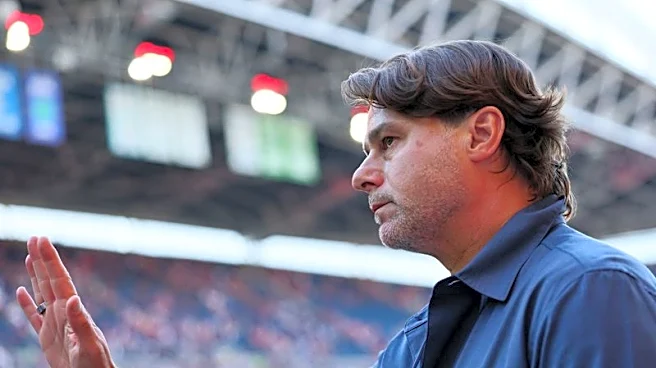
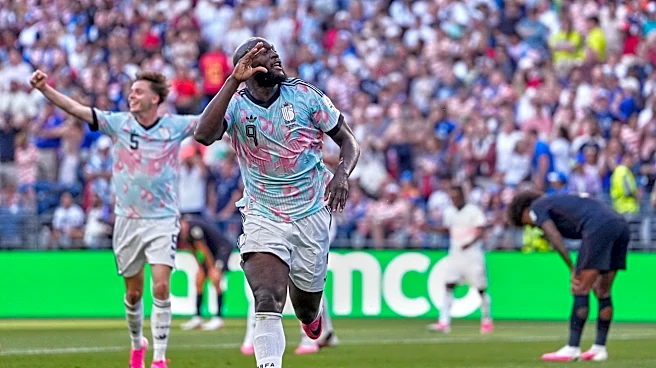
The U.S. men's soccer team faced a significant setback in their World Cup campaign, suffering a 4-1 defeat to Belgium in the round of 16. The match, held in Seattle, highlighted persistent defensive weaknesses within the team. Despite the return of striker
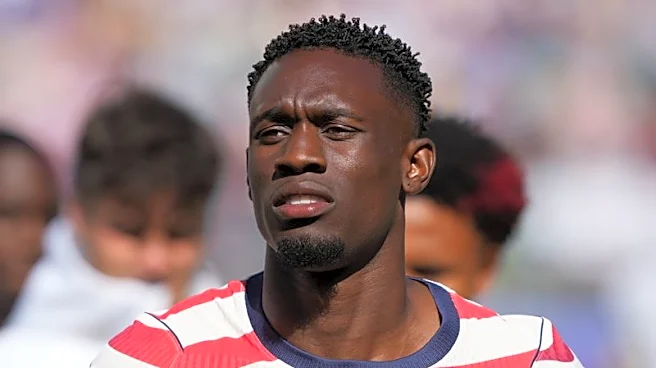
Folarin Balogun, who was reinstated by FIFA just before the match, the U.S. defense struggled against Belgium's offensive prowess. Key moments included early goals by Charles De Ketelaere and a third goal by Hans Vanaken, which exposed the vulnerabilities in the U.S. back line. The loss marks a continuation of challenges for the U.S. team, which has struggled to advance beyond the round of 16 in recent tournaments.
Why It's Important?
This defeat underscores ongoing issues within U.S. soccer, particularly in developing a robust defensive lineup capable of competing at the highest levels. The loss also reflects broader challenges in American soccer, such as the need for structural changes in Major League Soccer to foster talent development and retention. The inability to progress further in the World Cup represents a missed opportunity for the U.S. to establish itself as a formidable force in international soccer. This outcome may prompt calls for strategic changes within U.S. Soccer to address these persistent weaknesses.
What's Next?
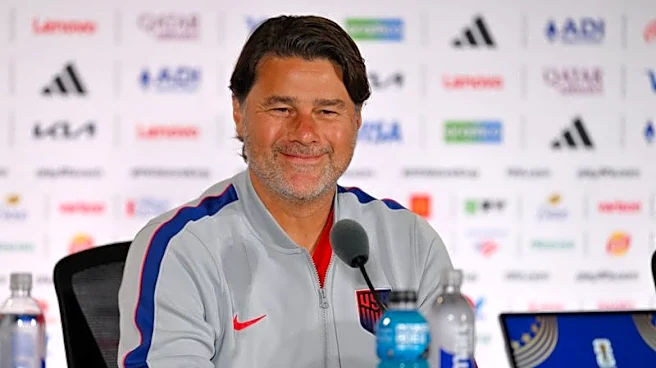
Following this defeat, U.S. Soccer may face increased pressure to reassess its coaching strategies and player development programs. There could be discussions about restructuring the league's salary cap to attract and retain top talent. Additionally, the team will need to focus on strengthening its defensive capabilities to improve future performances. The outcome of this World Cup may also influence the direction of youth soccer programs and investments in grassroots development to build a stronger foundation for the national team.