



What's Happening?
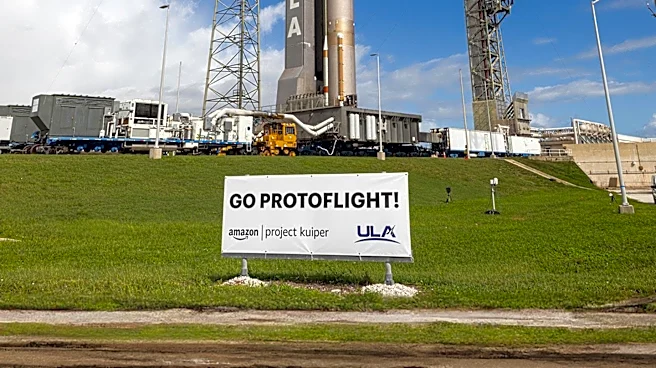
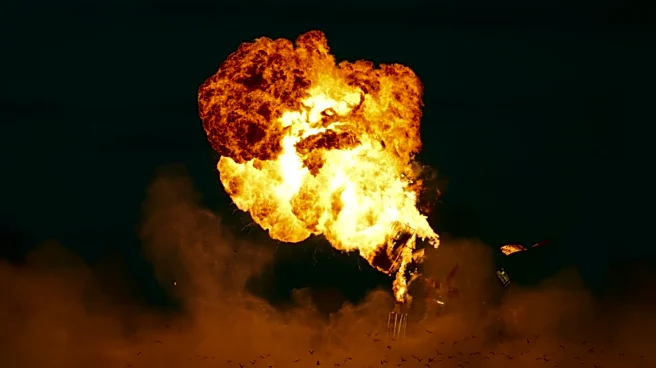
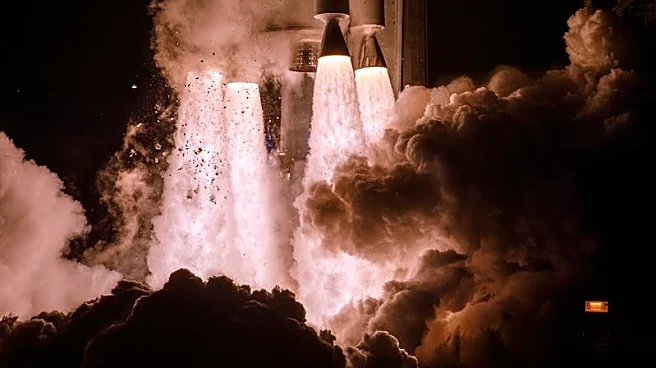
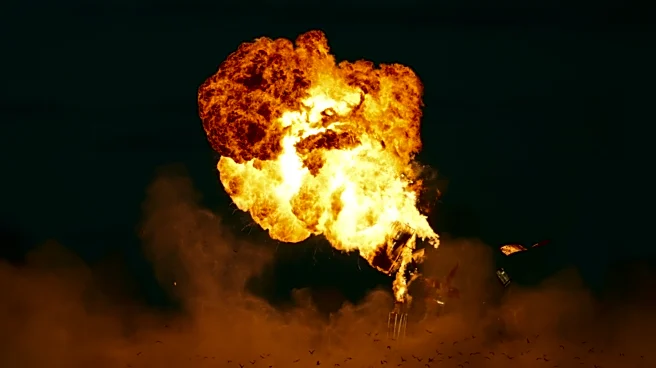
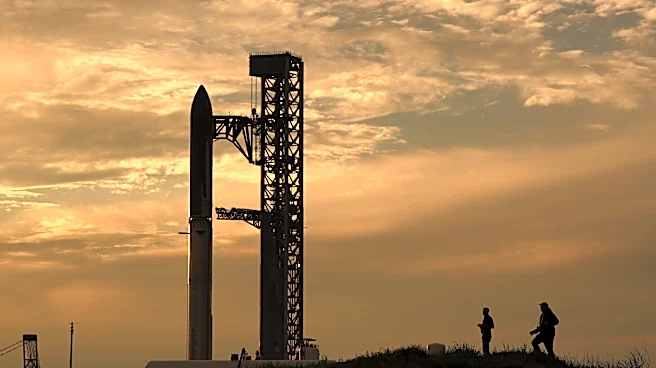
A Vulcan rocket, operated by United Launch Alliance (ULA), a joint venture of Boeing and Lockheed Martin, experienced a mid-flight failure on Sunday shortly after launching from Cape Canaveral Space Force Station in Florida. The anomaly occurred approximately
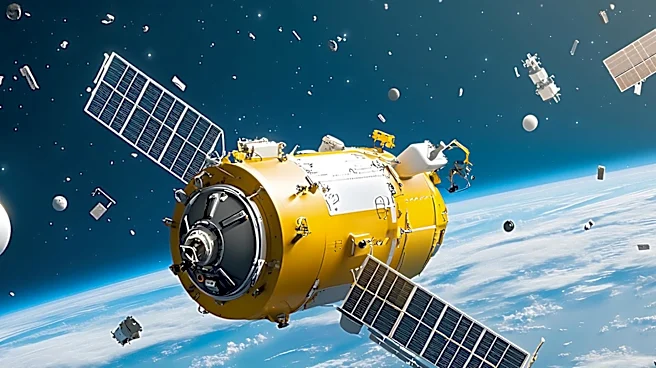
10 minutes after liftoff, resulting in the destruction of its payload, which consisted of 40 satellites for Amazon’s Leo internet network. This incident marks ULA's first mission failure for its new flagship rocket, the Vulcan. The cause of the failure is currently under investigation, with ULA stating that it will lead to a lengthy technical inquiry, potentially grounding the rocket for months. This setback follows a nine-month launch hiatus for Vulcan due to separate technical investigations into its solid rocket side boosters and its BE-4 core engines, supplied by Blue Origin. Blue Origin is collaborating with ULA on the current investigation. The failure is a significant blow to Amazon's efforts to deploy its satellite constellation and compete with SpaceX's Starlink network.
Why It's Important?
This mission failure has significant implications for the U.S. space industry and commercial satellite deployment. For ULA, it represents a major setback for its new Vulcan rocket, which was intended to establish a regular launch cadence for commercial and national security payloads. The ensuing investigation and potential grounding will exacerbate a U.S. launch bottleneck, especially with SpaceX's Falcon 9, a highly active rocket, no longer accepting new bookings. This situation could delay critical satellite deployments for various companies and government agencies. For Amazon, the loss of 40 Leo satellites further impedes its ambitious plan to rival SpaceX's Starlink internet network. Amazon has been relying on third-party launch providers, many of whom have faced their own groundings and failures, highlighting the challenges of establishing a robust satellite internet constellation without an in-house launch capability like SpaceX. The incident underscores the inherent risks in space launches and the complex interdependencies within the aerospace supply chain.
What's Next?
A comprehensive technical investigation into the Vulcan rocket's failure is expected to commence immediately, involving ULA and Blue Origin. This investigation will aim to determine the precise cause of the anomaly and will likely result in a prolonged grounding of the Vulcan rocket, potentially for several months. The U.S. Space Force, which had been awaiting the Vulcan's performance with the Amazon mission before approving it for national security payloads, will closely monitor the investigation's findings. Amazon will need to reassess its launch strategy for its Leo constellation, potentially seeking alternative launch providers or adjusting its deployment timeline. The incident may also prompt broader discussions within the U.S. aerospace industry regarding launch reliability, supply chain resilience, and the development of new launch capabilities to mitigate future bottlenecks.
Beyond the Headlines
The Vulcan rocket failure highlights the broader challenges and competitive landscape within the commercial space sector. While the incident is a direct setback for ULA and Amazon, it also underscores the strategic advantage held by companies like SpaceX, which possess integrated launch and satellite deployment capabilities. This vertical integration allows for greater control over schedules and problem-solving, potentially accelerating deployment timelines. The reliance of companies like Amazon on external launch providers exposes them to the risks and delays associated with the broader industry's challenges. Furthermore, the incident could intensify scrutiny on the reliability of new rocket technologies and the supply chain for critical components, such as the BE-4 engines. The long-term implications could include a re-evaluation of risk assessment in commercial space contracts and a push for greater redundancy in launch options to ensure the continuity of vital satellite services.