




What's Happening?
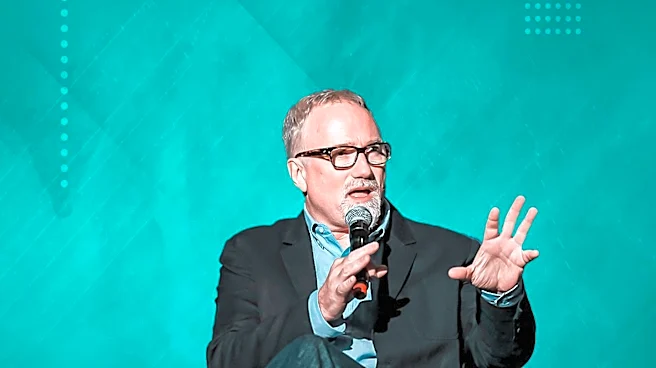
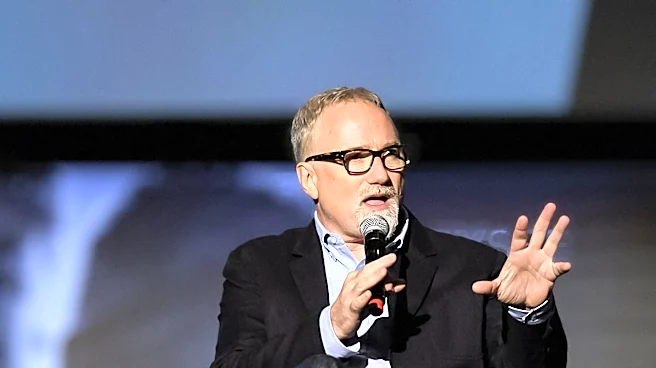
Director David Fincher's latest film, 'The Adventures of Cliff Booth,' is reportedly utilizing generative AI, leading to discussions within Hollywood and among audiences. The film, a sequel to 'Once Upon a Time in Hollywood,' stars Brad Pitt as Cliff Booth and is set
in 1977. This reported use of AI has drawn mixed reactions, with some expressing concern about its role in filmmaking. Fincher, known for his meticulous approach to detail in previous works like 'Fight Club' and 'The Social Network,' has publicly defended the integration of AI in the filmmaking process, advocating for its use. The extent to which AI is employed in 'The Adventures of Cliff Booth' has not been definitively detailed by the production.
Why It's Important?
The reported incorporation of generative AI in a high-profile film directed by David Fincher signifies a growing trend and a potential shift in Hollywood's production landscape. This development raises important questions about the future of creative roles, intellectual property, and the authenticity of cinematic art. For filmmakers and studios, AI offers potential efficiencies and new creative tools, but it also presents challenges regarding artistic control and the displacement of traditional craft. Audiences may also grapple with the perception of AI-generated content versus human-created artistry. The debate surrounding Fincher's film could influence how other major directors and studios approach AI integration, potentially setting precedents for industry standards and ethical guidelines.
What's Next?
The ongoing discussion surrounding AI's role in 'The Adventures of Cliff Booth' is likely to intensify as more details about the film's production emerge and upon its release. This could prompt further dialogue within industry guilds, unions, and professional organizations regarding the regulation and ethical use of AI in filmmaking. Stakeholders, including actors, writers, and visual effects artists, may advocate for clearer guidelines and protections to address concerns about job security and creative integrity. The film's reception, both critically and commercially, could also serve as a barometer for audience acceptance of AI-assisted productions, potentially influencing future investment in AI technologies within the entertainment sector.
Beyond the Headlines
The controversy surrounding David Fincher's film extends beyond immediate production concerns, touching upon broader philosophical questions about art and technology. The integration of generative AI challenges traditional notions of authorship and creativity, prompting a re-evaluation of what constitutes 'human' artistry in the digital age. This development could lead to a redefinition of roles within the film industry, fostering new hybrid positions that blend technical AI expertise with traditional artistic skills. Furthermore, it raises ethical considerations about the potential for AI to replicate or even replace human performances, impacting the emotional connection audiences form with characters and narratives. The long-term implications could include a shift in how films are conceived, produced, and consumed, fundamentally altering the cinematic experience.