







What's Happening?
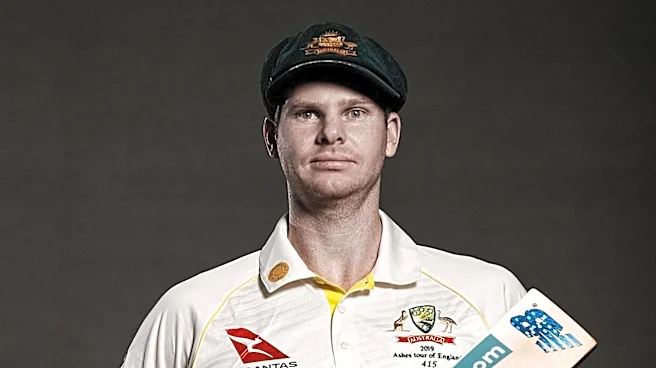
Australian cricketer Steve Smith has disclosed that he continues to experience anxiety and flashbacks stemming from the 2018 'Sandpapergate' ball-tampering scandal in South Africa. As Australia prepares for an upcoming Test series against South Africa,
Smith reflected on the traumatic experience in an interview with CODE Sports, as quoted by FOX Cricket. He stated that he is not a fan of cameras and gets anxious around them, attributing this to the events of 2018. The scandal involved Cameron Bancroft being caught tampering with the ball using sandpaper, with Smith, then captain, admitting knowledge of the act. This led to Smith being stripped of his captaincy and banned for a year by Cricket Australia. Vice-captain David Warner also received a year-long ban, and Bancroft was suspended for nine months. Smith recalled the intense media scrutiny and being 'mobbed' at Johannesburg airport, describing the subsequent press conference where he broke down in tears as his toughest moment.
Why It's Important?
The 'Sandpapergate' scandal had a profound impact on Australian cricket, damaging its reputation and raising questions about the team's 'win at all costs' mentality. Smith's recent comments highlight the long-term psychological toll such high-profile controversies can have on individuals, even years after the event. This revelation underscores the intense pressure and public scrutiny faced by professional athletes, particularly in sports with significant national interest. The incident led to a period of introspection and cultural review within Cricket Australia, aiming to foster a more ethical approach to the game. For fans and the cricketing world, Smith's ongoing struggle serves as a reminder of the human element behind sporting controversies and the lasting consequences of actions taken under pressure. It also emphasizes the importance of mental health support for athletes navigating public disgrace and intense media attention.
What's Next?
As the Australian team prepares to return to South Africa for a Test series, Smith's public acknowledgment of his trauma could influence public perception and media narratives surrounding the tour. It may lead to increased discussions about athlete mental health and the responsibilities of sporting bodies in supporting their players through crises. While Smith has since returned to international cricket and performed well, the upcoming series will inevitably bring renewed attention to the 2018 events. His candidness might encourage a more empathetic approach from the media and fans, though the memory of the scandal is likely to persist. Cricket Australia may face renewed calls to ensure robust psychological support systems are in place for players, especially those who have faced significant public backlash.
Beyond the Headlines
Smith's experience transcends the immediate sporting context, touching upon broader themes of public shaming, redemption, and the psychological impact of digital-era scrutiny. The 'Sandpapergate' incident became a global phenomenon, amplified by social media, demonstrating how quickly reputations can be shattered and the enduring nature of online memory. His 'camera anxiety' illustrates a specific form of post-traumatic stress linked to public exposure and the constant presence of media. This raises ethical questions about the intensity of media pursuit in moments of crisis and the balance between public interest and individual well-being. The long-term effects on Smith highlight the need for a more nuanced understanding of accountability and forgiveness in public life, particularly for figures whose careers are inextricably linked to public performance and perception.