


What's Happening?
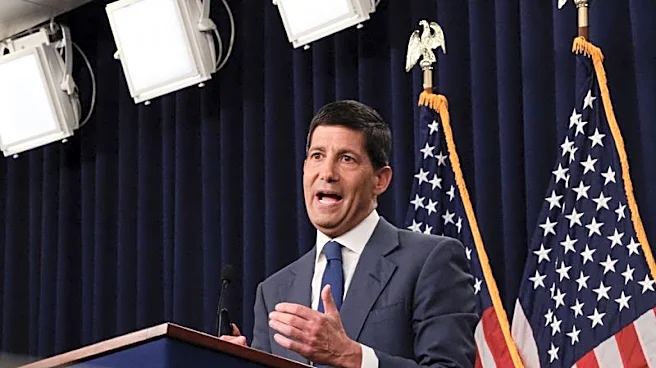
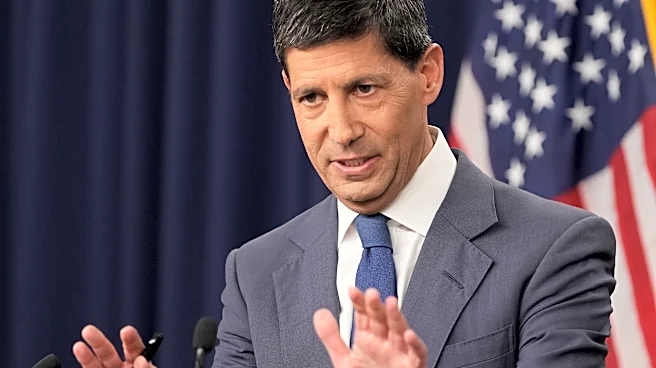
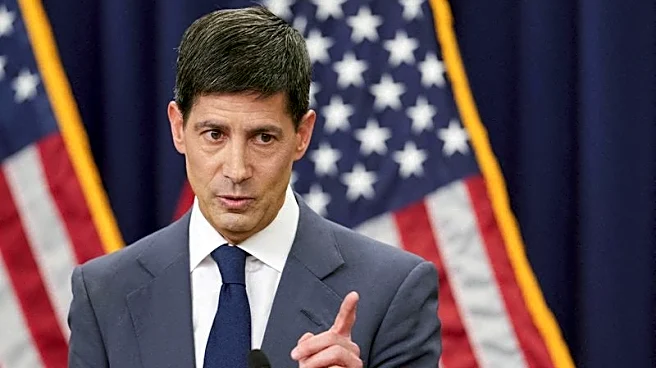
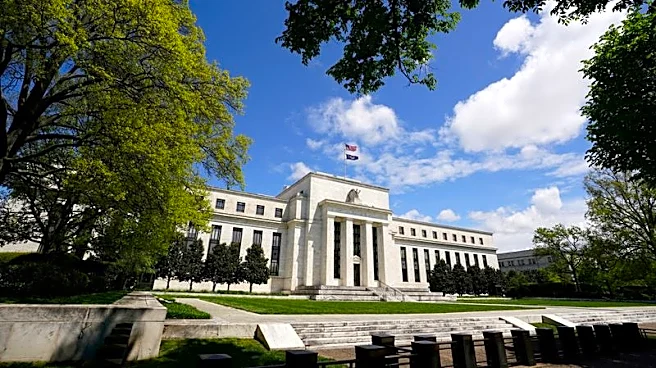
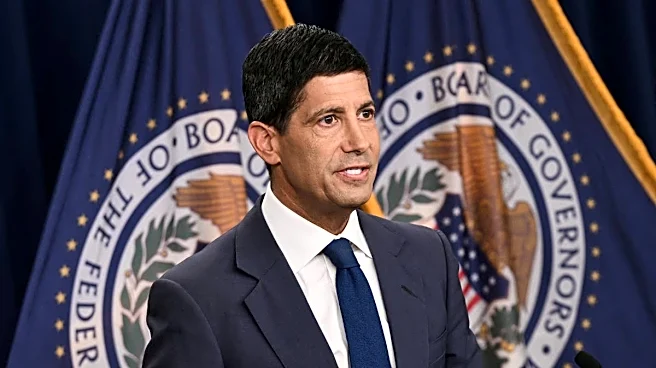
Federal Reserve Chair Kevin Warsh is contemplating a reduction in the number of regular meetings where the central bank sets interest rates. This potential change, reported by the New York Times, could represent one of the most significant operational
shifts for the Federal Reserve in decades. Currently, the Fed holds eight such meetings annually. Warsh, who has been known for his desire to streamline the Fed's communication, is expected to make a decision on this matter before the next policy meeting in September. The recent meeting held interest rates steady, but revealed a growing dissent among policymakers, with three members advocating for a rate hike.
Why It's Important?
The potential reduction in the frequency of Federal Reserve meetings could have significant implications for financial markets and economic policy. Fewer meetings might lead to less frequent adjustments in monetary policy, which could impact market stability and investor expectations. This move could also reflect a shift towards a more streamlined and less reactive approach to monetary policy, potentially affecting how quickly the Fed can respond to economic changes. Stakeholders, including investors and policymakers, will need to adjust to a new rhythm in the Fed's decision-making process, which could influence economic forecasts and financial planning.
What's Next?
If Warsh decides to reduce the number of meetings, the Federal Reserve will need to communicate this change effectively to ensure market participants understand the new schedule and its implications. The decision could prompt reactions from various stakeholders, including financial analysts and economic policymakers, who may need to adjust their strategies and expectations. Additionally, the Fed will need to consider how this change might affect its ability to respond to economic fluctuations and maintain its commitment to price stability.