







What's Happening?
The World Customs Organization (WCO) Harmonized System (HS) is identified as a critical tool for determining duty rates, preferential tariff eligibility, and trade controls for importing Vietnamese mangoes into the United States. This system is essential
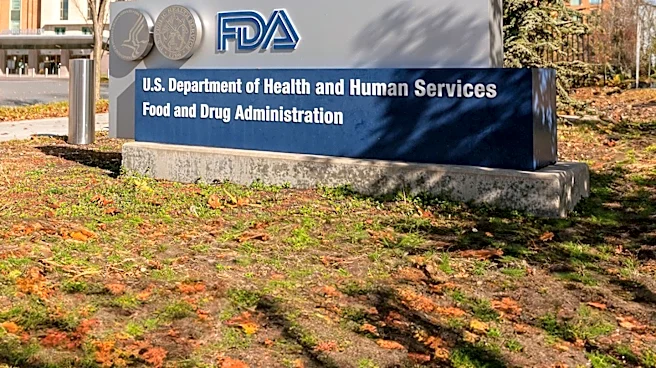
for accurate classification of products like fresh mangoes (HS 0804.50.20) and dried/processed mangoes (HS 0804.50.30). The U.S. market, specifically, operates under USDA-APHIS regulations, mandating phytosanitary irradiation treatment at a minimum absorbed dose of 400 Gy to neutralize fruit flies. This treatment must occur in USDA-approved facilities in Vietnam, supervised by APHIS inspectors. Additionally, importers and suppliers must maintain active FDA Food Facility Registrations (FFR) and submit Electronic Prior Notice before vessel arrival. The WCO's framework underpins the global trade compliance necessary for these imports, ensuring that products meet international and national standards.
Why It's Important?
The reliance on the WCO Harmonized System directly impacts U.S. businesses involved in the import and distribution of agricultural products, particularly specialty fruits like Vietnamese mangoes. Accurate HS code classification is fundamental for determining the financial viability of imports, as it dictates applicable duty rates and eligibility for preferential tariffs under various Free Trade Agreements. For U.S. consumers, this system helps ensure the safety and quality of imported produce by facilitating compliance with stringent phytosanitary and food safety regulations, such as those enforced by USDA-APHIS and the FDA. Non-compliance can lead to significant financial losses for importers due to re-exportation or destruction of shipments, and potential temporary suspension of exporting facilities. The WCO's role in standardizing these classifications helps maintain a predictable and regulated international trade environment, which is crucial for the stability of supply chains and consumer access to diverse products.
What's Next?
U.S. importers of Vietnamese mangoes will continue to navigate the complex regulatory landscape governed by the WCO Harmonized System, USDA-APHIS, and FDA. Future developments will likely focus on ongoing adherence to evolving phytosanitary protocols and food safety standards. Exporters in Vietnam will need to ensure their facilities and processes remain compliant with U.S. requirements, including the mandatory irradiation treatments and active FDA registrations. Importers should anticipate continued emphasis on pre-verified traceability and unbroken cold-chain logistics to prevent rejections at U.S. ports. The WCO's ongoing efforts to standardize customs procedures globally will likely influence future trade agreements and bilateral protocols, potentially streamlining the import process while maintaining strict safety and quality controls.
Beyond the Headlines
The intricate system of international trade, heavily reliant on frameworks like the WCO Harmonized System, highlights the delicate balance between facilitating global commerce and safeguarding national interests, particularly in public health and agriculture. The mandatory phytosanitary irradiation for mangoes imported into the U.S. underscores a broader trend of increasing scrutiny on agricultural imports to prevent the introduction of pests and diseases. This not only protects domestic agriculture but also reflects a commitment to consumer safety. The need for active FDA registrations and prior notice further emphasizes the U.S.'s proactive approach to food security. This complex regulatory environment, while ensuring safety, also presents challenges for smaller businesses that may struggle with the compliance costs and administrative burden, potentially impacting market diversity and competition.