



What's Happening?
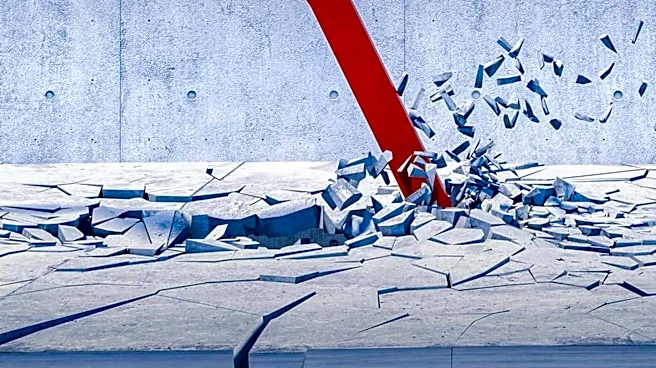
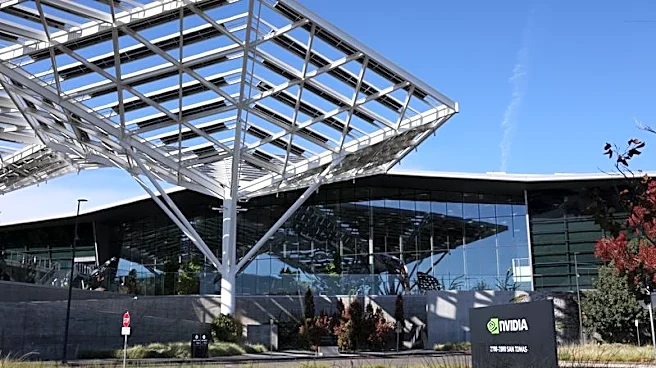
Nvidia's stock has experienced a significant downturn, dropping over 35% from its all-time high, marking its deepest sell-off since 2023. This decline follows the resignation of former CEO and co-founder Jensen Huang, which has introduced uncertainty
regarding the company's future leadership and strategic direction. Additionally, Nvidia is facing increased scrutiny over allegations that its chips may be circumventing export restrictions to China, with some products potentially being funneled through Southeast Asian countries before reaching China. These allegations, though unproven, have contributed to market apprehension. Despite these challenges, Nvidia has provided strong financial guidance, projecting 75% revenue growth in fiscal year 2028, an increase from the previous quarter's 70% guidance. This growth is attributed to the ongoing demand for AI infrastructure. The company is estimated to generate around $424 billion in revenue this year, with projections reaching $742 billion next year, potentially yielding $460 billion in profits at a 62% profit margin.
Why It's Important?
The current situation with Nvidia highlights the significant impact that leadership changes and geopolitical tensions can have on major technology companies and the broader market. Jensen Huang's departure creates a leadership vacuum, as his vision was instrumental in positioning Nvidia at the forefront of the AI computing and GPU market. The market's reaction underscores the perceived value of strong, visionary leadership in the tech sector. Furthermore, the scrutiny over chip exports to China reflects ongoing U.S. efforts to control advanced technology dissemination, particularly to entities with potential military ties. This could lead to stricter export controls, affecting not only Nvidia but also other U.S. semiconductor manufacturers and their global supply chains. The company's ability to navigate these challenges while maintaining its projected growth will be a key indicator for the AI industry's trajectory and investor confidence in the sector.
What's Next?
The immediate future for Nvidia will likely involve the selection of a new CEO, a decision that will be closely watched by investors and the market. The new leader will need to demonstrate a clear vision for the company's long-term strategy in AI and GPU development to reassure stakeholders. Concurrently, Nvidia will need to address the allegations regarding its chip exports to China. The outcome of any investigations and the company's response will be crucial in determining potential regulatory actions and maintaining its market access. The company's strong revenue growth projections for fiscal year 2028 suggest that the underlying demand for its AI products remains robust, which could help stabilize its stock once leadership and export concerns are clarified. The market will likely remain cautious until these uncertainties are resolved, potentially leading to continued stock volatility.
Beyond the Headlines
Beyond the immediate financial and leadership concerns, Nvidia's situation touches upon broader themes of technological leadership, national security, and global economic competition. The U.S. government's focus on restricting advanced chip exports to China reflects a strategic effort to maintain technological superiority and prevent its use for military advancements by rival nations. This geopolitical dynamic could reshape global technology supply chains, encouraging more localized production and potentially leading to a bifurcation of tech ecosystems. The departure of a visionary founder like Jensen Huang also raises questions about succession planning in high-growth tech companies and the sustainability of innovation beyond individual leadership. The ongoing scrutiny of chip exports could also set precedents for how U.S. companies operate in complex international markets, balancing commercial interests with national security imperatives.