




What's Happening?
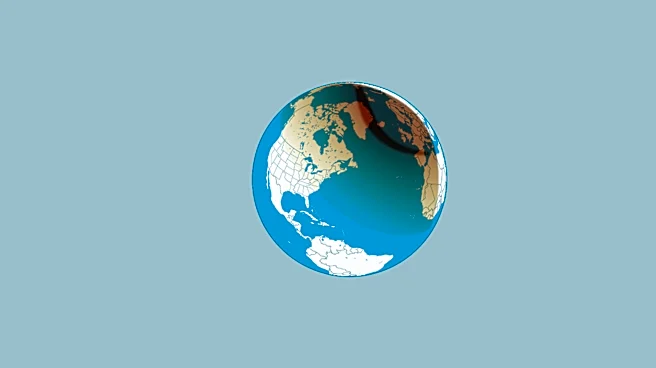
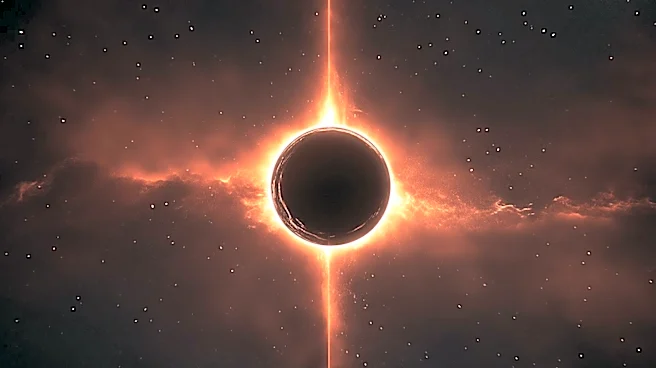
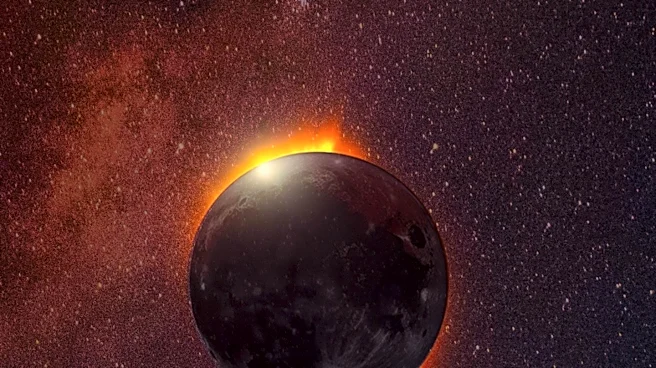
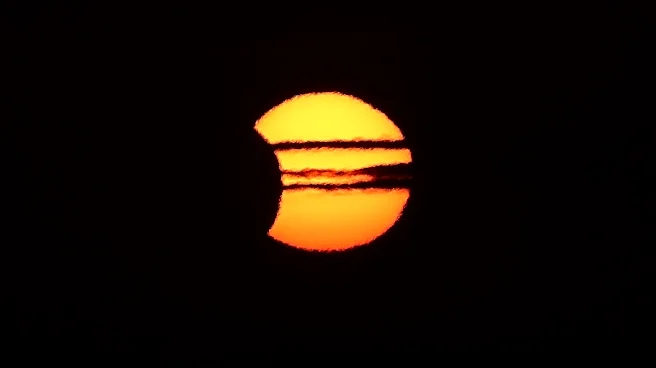
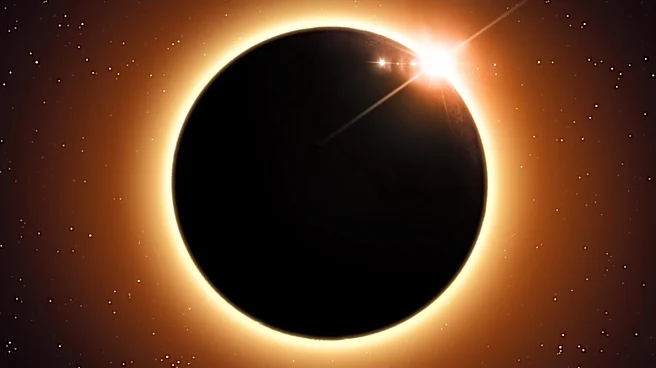
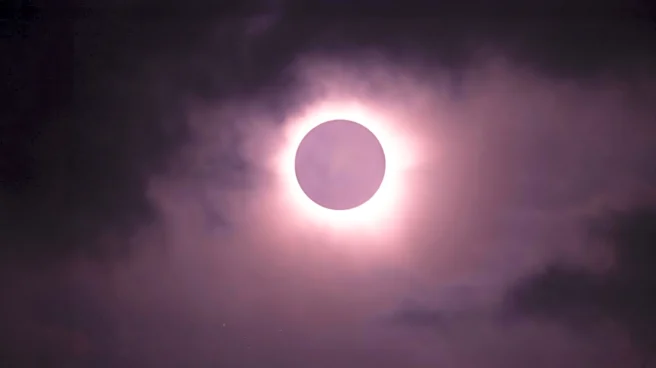
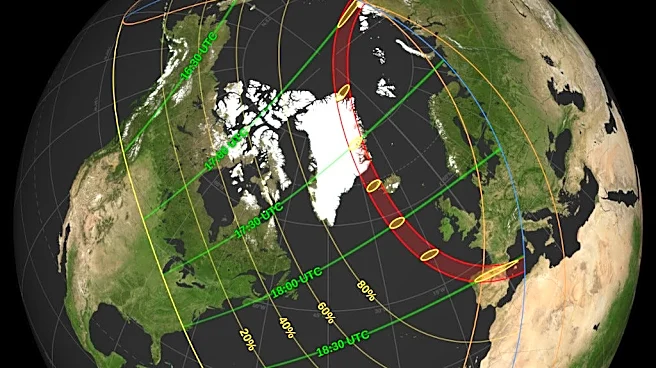
On August 12, 2026, a total solar eclipse will occur, casting parts of the Northern Hemisphere into darkness as the moon completely covers the sun. This astronomical event will be visible across a narrow path including Greenland, Iceland, and parts of Europe,
marking Europe's first total eclipse since 1999. Although not visible in Australia, live streams from NASA and other platforms will allow global audiences to witness the event. The eclipse will provide unique opportunities for scientific study, with NASA supporting projects to measure atmospheric changes during the eclipse.
Why It's Important?
Total solar eclipses offer rare opportunities for scientific research, particularly in studying the sun's corona and atmospheric effects. The event is expected to draw significant interest from both the scientific community and the general public, highlighting the importance of astronomy in understanding natural phenomena. The live streaming of the eclipse underscores the role of technology in making such events accessible to a global audience, fostering a shared experience and increasing public interest in science and space exploration.
What's Next?
Following the 2026 eclipse, Australia is set to experience its own total solar eclipse on July 22, 2028, which will be visible across the continent. This upcoming event is anticipated to attract significant attention, as it will be the first total eclipse visible in Sydney since 1857. Preparations for this event may include public outreach and educational programs to enhance understanding and appreciation of astronomical phenomena.