







What's Happening?
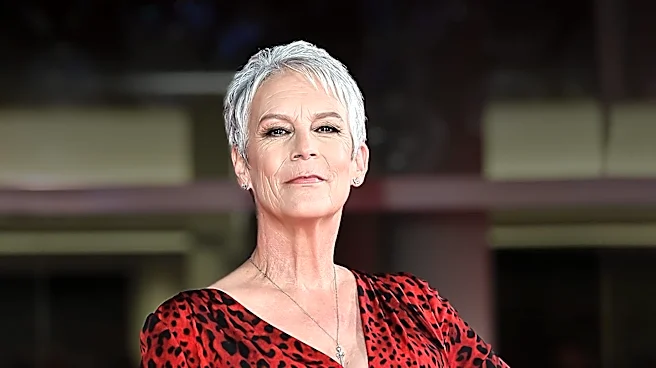
Actress Jamie Lee Curtis nearly lost her role in the 1983 comedy 'Trading Places' due to initial rejection from Paramount Studio. Despite her rising fame from the horror film 'Halloween,' the studio was not convinced she was the right choice for the lead
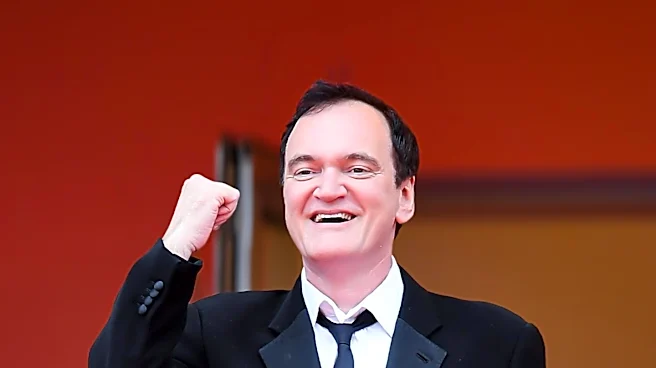
female role alongside Eddie Murphy and Dan Aykroyd. Curtis herself recalled attending the audition and being told 'no' by the studio. However, director John Landis strongly advocated for her involvement, insisting, 'I want her.' Landis's persistence ultimately secured Curtis the part, which proved to be a pivotal moment in her career. This role allowed her to demonstrate her versatility beyond the horror genre, subsequently leading to other significant roles in comedies like 'A Fish Called Wanda' and action films such as 'True Lies,' solidifying her reputation as an actress with a broad acting range.
Why It's Important?
This event highlights the significant influence a director can wield in casting decisions, even when studio executives express reservations. For Jamie Lee Curtis, securing the role in 'Trading Places' was crucial as it enabled her to break free from being typecast as a 'scream queen' following her success in 'Halloween.' This diversification of her filmography was vital for her long-term career trajectory, proving her capability in different genres and expanding her appeal to a wider audience. The success of 'Trading Places' not only boosted her individual career but also underscored the value of taking risks on talent, even when it goes against initial studio preferences. It demonstrates how a single role can redefine an actor's public perception and open doors to a broader array of opportunities in the competitive entertainment industry.
What's Next?
While this event occurred in the past, its implications for the entertainment industry continue to resonate. It serves as a historical case study for aspiring actors and filmmakers, illustrating the importance of directorial vision and persistence in the face of studio skepticism. For actors, it emphasizes the need to actively seek roles that challenge their perceived typecasting and showcase their full range of talent. For directors, it underscores the power of conviction in their creative choices and the potential long-term benefits of championing specific actors. The story of Jamie Lee Curtis in 'Trading Places' remains a testament to how a single opportunity, fought for and won, can fundamentally alter a career path and contribute to a lasting legacy in Hollywood.
Beyond the Headlines
The narrative of Jamie Lee Curtis's casting in 'Trading Places' delves deeper into the dynamics of power and perception within Hollywood. It reveals the inherent tension between creative vision, often embodied by a director, and the commercial considerations typically prioritized by studios. Paramount's initial rejection of Curtis, despite her proven success in a different genre, reflects a common industry tendency to pigeonhole actors. Landis's insistence, however, highlights the critical role of artistic advocacy in challenging these preconceived notions. This incident also speaks to the broader cultural impact of an actor's ability to transcend genre boundaries, demonstrating that true talent is not confined to a single type of role. Curtis's subsequent success in diverse films not only cemented her status but also subtly influenced industry perceptions about actor versatility, encouraging a more open-minded approach to casting.