





What's Happening?
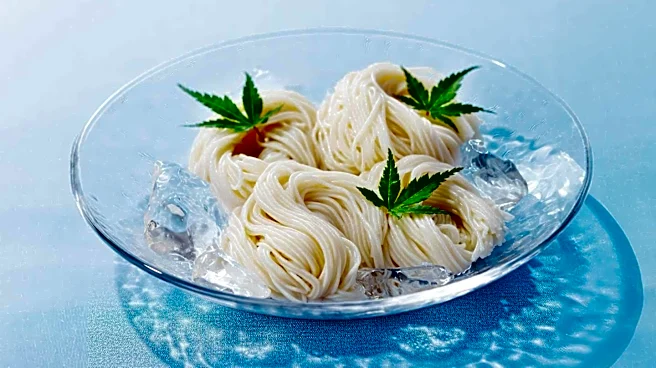
Tokyo's summer culinary landscape is characterized by refreshing cold noodle dishes such as somen and zaru soba, which are popular choices for combating the humid heat. Japanese cuisine is deeply connected to the seasons, with available dishes often reflecting
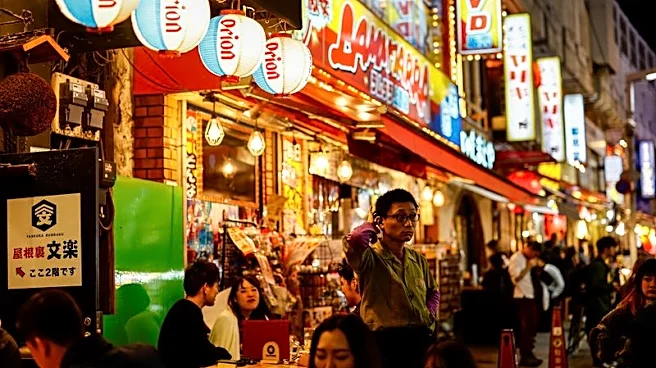
current harvests. Beyond summer, spring offers bamboo shoots and cherry blossom-themed sweets, while autumn brings chestnuts, mushrooms, and sanma (Pacific saury). Winter is known for hearty nabe (hot pot) dishes. The city's diverse food culture extends from high-end dining, which often requires reservations weeks or months in advance, to casual eateries like ramen and gyudon shops that cater to solo diners. Tokyo is recognized as a global culinary capital, boasting numerous Michelin-starred restaurants, but its true gastronomic appeal also lies in its hidden shops, bustling street stalls, and long-standing neighborhood establishments.
Why It's Important?
The seasonal nature of Tokyo's cuisine highlights a significant cultural aspect of Japan, where food is intrinsically linked to the changing seasons and local harvests. This approach influences not only the dining experience but also agricultural practices and local economies. The emphasis on seasonal ingredients supports local farmers and producers, ensuring a continuous demand for fresh, in-season produce. For the tourism industry, this seasonal variety offers unique attractions throughout the year, drawing visitors interested in authentic culinary experiences. The distinction between high-end dining and more casual options also reflects the economic diversity within the food sector, providing opportunities for various business models and catering to a wide range of consumers. This culinary tradition underscores a commitment to quality and freshness that is a hallmark of Japanese culture.
What's Next?
As Tokyo transitions through its seasons, the culinary offerings will continue to evolve, reflecting the next available harvests. Following summer's cold noodles, autumn will introduce dishes featuring chestnuts, mushrooms, and sanma, while winter will bring warming nabe. This cyclical change means that restaurants and food vendors will adapt their menus to incorporate these seasonal ingredients, maintaining the tradition of 'shun' (peak season) eating. Travelers and residents can anticipate new seasonal specialties and events centered around these ingredients. The Japan House Los Angeles's exhibition on traditional Japanese cuisine further indicates a global interest in understanding and preserving these seasonal culinary philosophies, potentially inspiring similar cultural exchanges and educational programs in the future.
Beyond the Headlines
The deep connection between Japanese cuisine and its seasons, as exemplified by Tokyo's summer offerings, extends beyond mere taste preferences; it reflects a profound cultural philosophy of harmony with nature. This approach fosters sustainability by encouraging the consumption of locally sourced, in-season produce, thereby reducing the environmental impact associated with out-of-season imports. It also preserves traditional cooking methods and ingredient knowledge, passing down culinary heritage through generations. The meticulous attention to seasonal ingredients and presentation elevates dining to an art form, influencing global culinary trends and promoting a mindful approach to food consumption. This philosophy underscores a broader respect for natural cycles and resources, which is a core tenet of Japanese cultural identity.