


What's Happening?
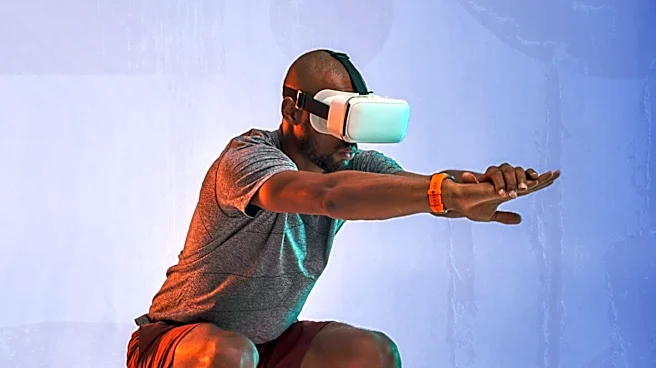
FitXR is expanding its fitness platform by introducing personalized mobile workouts that can be completed without a virtual reality (VR) headset. This new feature, called Mobile Workouts beta, is launching through FitXR's redesigned app for iOS and Android.
The mobile workouts offer short video sessions focusing on strength, cardio, and mobility, tailored to a member's individual goals and fitness ability. These workouts are integrated into FitXR's 'Your Journey' training plans, allowing members to seamlessly switch between VR and mobile workouts. The app's onboarding process gathers information on available equipment and allows users to choose a coach, ensuring customized sessions. FitXR CEO and co-founder Sam Cole stated that while VR remains the optimal workout environment, the mobile expansion addresses the need for flexibility and accessibility outside of headset use. The redesigned mobile app also allows members to track their 'Journey' progress, view upcoming workouts, and modify their training plans, with these changes synchronizing back to the VR experience. A new 'Smart Intensity' feature prompts users to rate workout difficulty, enabling the system to adjust future recommendations.
Why It's Important?
This expansion by FitXR signifies a strategic move to broaden its market reach beyond the niche VR fitness community, tapping into the larger and more accessible smartphone fitness app market. By offering personalized, headset-free workouts, FitXR can attract a wider demographic of users who may not own VR equipment or prefer the convenience of mobile-based exercise. This could lead to increased subscription numbers and revenue for the company. For consumers, it provides greater flexibility and continuity in their fitness routines, allowing them to maintain their training plans whether they have access to their VR headset or not. The integration of mobile and VR workouts within a single 'Journey' framework enhances user experience by offering a cohesive and adaptable fitness solution. This development also highlights a growing trend in the fitness industry towards hybrid models that combine immersive experiences with practical, on-the-go options, catering to diverse user preferences and lifestyles. The emphasis on personalized, 'made-to-order' classes, rather than pre-recorded sessions, could also set a new standard for adaptive fitness programming.
What's Next?
The Mobile Workouts beta is currently available as an opt-in feature for existing FitXR members at no additional cost, with some new users gaining access through an A/B test. FitXR plans to gather feedback from this beta phase to further refine and expand the feature. This iterative approach suggests that future updates will likely incorporate user suggestions and data to enhance the personalization and effectiveness of the mobile workouts. The company's continued investment in VR, alongside this mobile expansion, indicates a strategy of developing a comprehensive fitness ecosystem that caters to various user preferences and technological access points. Future developments might include more advanced AI-driven personalization, additional coach options, and further integration with other fitness tracking devices. The success of this beta will likely influence the long-term direction of FitXR's platform, potentially leading to a more robust and widely adopted hybrid fitness model that seamlessly blends virtual and real-world exercise experiences.
Beyond the Headlines
The expansion of FitXR into personalized smartphone workouts reflects a broader shift in the fitness industry towards accessibility and customization. This move addresses the inherent limitations of VR-exclusive fitness, such as the cost of hardware, space requirements, and the potential for motion sickness, by offering a more universally accessible alternative. It also highlights the increasing demand for 'anytime, anywhere' fitness solutions that integrate seamlessly into daily life. Ethically, this approach democratizes access to structured fitness programs, potentially reducing barriers for individuals who might otherwise be deterred by specialized equipment. Culturally, it reinforces the trend of technology-driven wellness, where algorithms and personalized data play a central role in guiding health and fitness journeys. The ability to switch between VR and mobile workouts also suggests a future where digital fitness platforms are less about a single device and more about a continuous, adaptable experience that leverages the best features of various technologies to meet individual needs. This could lead to a more holistic and integrated approach to personal well-being, blurring the lines between traditional and virtual exercise.