




What's Happening?
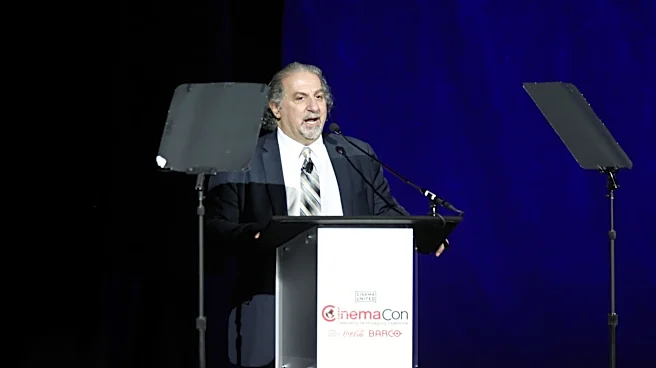
The International Film Festival of the UNAM (FICUNAM 16) has awarded the prestigious Medalla Filmoteca UNAM to French actress, screenwriter, and director Julie Delpy, and Japanese filmmaker Kiyoshi Kurosawa. The awards were presented on November 7 at the Sala
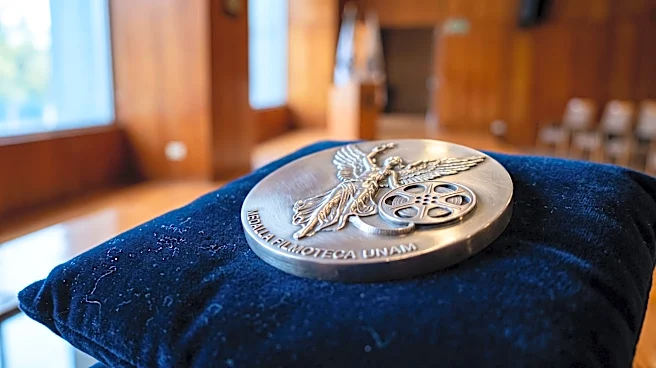
Miguel Covarrubias of the University Cultural Center (CCU) by Hugo Villa Smythe, General Director of Cinematographic Activities of Filmoteca UNAM. The medal, designed by Mexican sculptor Lorenzo Rafael, is minted with .900 silver recovered through electrolysis processes in Filmoteca UNAM's laboratories. This material holds symbolic value, as it shares the same substance used to create iconic images of national cinema, such as Gabriel Figueroa's photography and the negatives of films like 'Los olvidados' and 'Amores perros'. Julie Delpy, with a career spanning over four decades, has freely transitioned between acting, notably in the 'Before Sunrise' trilogy, and directing films such as 'Two Days in Paris' and 'My Zoe'. As part of her special activities at the festival, she conducted a master class on November 8 at the CCU. Kiyoshi Kurosawa, a key figure in horror, thriller, and science fiction, has expanded the expressive boundaries of cinema with works like 'Cure', 'Pulse', and 'Wife of a Spy'. His visit included the Mexican premiere of his latest feature film, 'The Samurai and the Prisoner'. The sixteenth edition of FICUNAM is taking place from November 5 to 15, 2026, across various venues in Mexico City.
Why It's Important?
This recognition by FICUNAM 16 highlights the significant contributions of Julie Delpy and Kiyoshi Kurosawa to global cinema, reinforcing the festival's role in celebrating international artistic talent. For the U.S. film industry and audiences, this event underscores the interconnectedness of global cinematic culture and the enduring influence of artists who transcend national boundaries. Delpy's work, particularly her 'Before Sunrise' trilogy, has a strong following in the U.S., and her recognition by a prominent Latin American festival can further elevate her profile and potentially increase interest in her past and future projects among American distributors and viewers. Similarly, Kurosawa's genre-defining films have a dedicated cult following in the U.S., and this award could bring his work to a broader American audience, fostering greater appreciation for international genre cinema. The use of symbolically rich materials for the medals also emphasizes the cultural heritage and artistic value placed on cinema in Mexico, offering a model for how film festivals can integrate local artistry and history into their celebratory practices. This event also serves as a platform for cultural exchange, bringing diverse cinematic perspectives to Mexican audiences and potentially influencing future collaborations between U.S. and international filmmakers.
What's Next?
The FICUNAM 16 festival will continue its activities until November 15, 2026, offering a diverse program of films and events across Mexico City. The recognition of Julie Delpy and Kiyoshi Kurosawa is likely to generate increased interest in their filmographies, potentially leading to retrospectives, streaming platform acquisitions, or renewed theatrical releases of their works in the U.S. and other international markets. Delpy's master class at the CCU could inspire emerging filmmakers and actors, fostering new talent and creative approaches within the industry. Kurosawa's latest film, 'The Samurai and the Prisoner,' having its Mexican premiere, might see increased distribution efforts in other regions following this high-profile festival appearance. The ongoing dialogue between film memory and audiences, as facilitated by FICUNAM, suggests a continued focus on cinematic preservation and the exploration of diverse narratives. This event could also encourage other international film festivals to adopt similar practices of honoring global talent while incorporating local cultural elements into their awards.
Beyond the Headlines
The Medalla Filmoteca UNAM, crafted from silver recovered through electrolysis, carries a profound symbolic weight that extends beyond a mere award. This unique material, shared with the negatives of iconic national cinema, connects the contemporary achievements of Delpy and Kurosawa to the rich historical tapestry of Mexican filmmaking. This practice highlights a deeper appreciation for the material history of cinema and the tangible links between past and present artistic endeavors. It also subtly critiques the ephemeral nature of digital media by emphasizing the enduring physical legacy of film. For the U.S. context, this approach could inspire discussions about how film preservation and historical context are integrated into contemporary film culture and awards. The recognition of artists who seamlessly navigate both acting and directing, like Delpy, also underscores a growing trend in the industry towards multi-hyphenate creators, challenging traditional boundaries between roles. This holistic view of artistic contribution enriches the cinematic landscape and encourages a more comprehensive understanding of a filmmaker's impact.