






What's Happening?
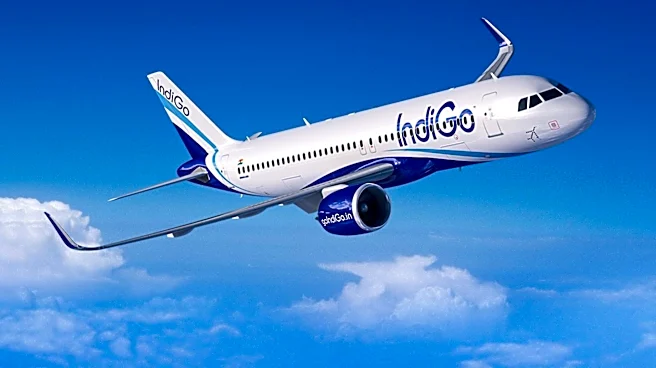
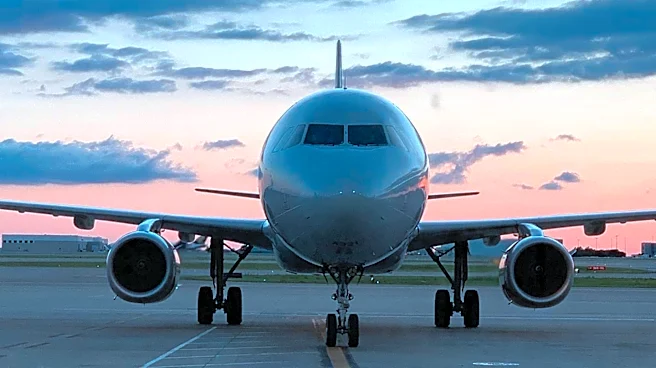
SMBC Aviation Capital has announced a significant expansion of its Airbus orderbook with a new commitment for 100 A320neo-family aircraft. This order, which includes 65 A321neo and 35 A320neo models, is aimed at extending SMBC's delivery schedule into
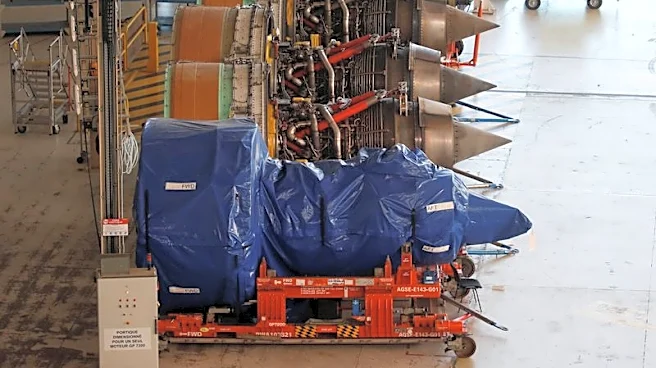
the 2030s. The decision follows SMBC's acquisition of Air Lease Corporation, which had previously extended its delivery slots to around 2030. Airbus Head of Sales, Benoit de Saint-Exupéry, noted that this transaction was over a year in the making. SMBC's CEO, Peter Barrett, highlighted the ongoing market demand for these aircraft, emphasizing the cyclical nature of the aviation industry. While the engine choice for this order has not been finalized, SMBC has an existing agreement with CFM International to power 35 A320neos from a prior commitment.
Why It's Important?
This order underscores the sustained demand for narrowbody aircraft, particularly the A320neo family, which is favored for its fuel efficiency and operational cost savings. For SMBC, securing production slots beyond 2030 is crucial for maintaining its competitive edge in the leasing market. The order also reflects broader industry trends where airlines and leasing companies are preparing for long-term fleet renewal and expansion. This move could influence other leasing companies to secure similar long-term commitments, potentially impacting aircraft production schedules and market dynamics. Additionally, the decision not to immediately choose an engine supplier suggests a strategic approach to future technological advancements in aircraft engines.
What's Next?
SMBC will need to finalize its engine supplier for this new order, which could involve negotiations with major engine manufacturers like CFM International and Pratt & Whitney. The company will also continue to monitor market conditions and technological developments to optimize its fleet strategy. As the aviation industry recovers from the impacts of the pandemic, SMBC's order could signal a broader recovery and increased confidence in future air travel demand. Other stakeholders, including airlines and competing lessors, may respond by adjusting their own fleet plans to align with emerging market trends.