





What's Happening?
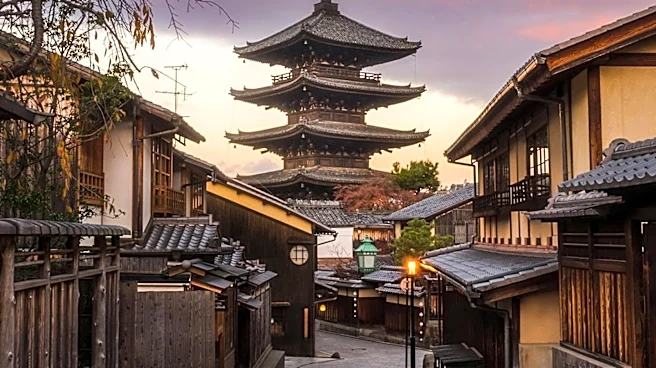
Tokyo, Japan, presents a wide array of attractions for visitors, ranging from ancient cultural sites to contemporary urban marvels. Key destinations include the historic Senso-ji Temple in Asakusa, known for its photogenic qualities, and the iconic Shibuya
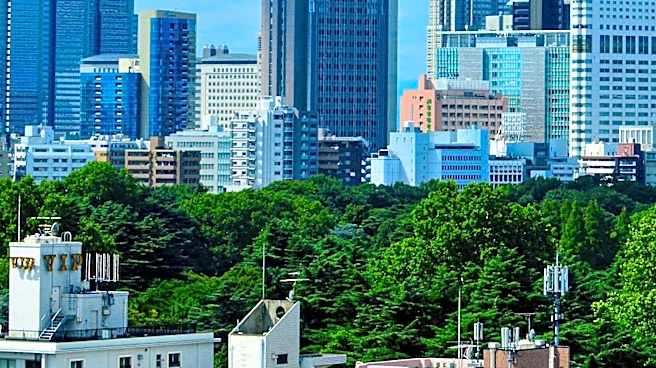
Crossing, a bustling pedestrian intersection. For panoramic city views, the Tokyo Skytree offers a 360-degree vista, while the Tokyo Metropolitan Government Building provides a free observation deck. The city also features numerous parks and gardens, such as Shinjuku Gyoen, Koishikawa Korakuen, Rikugien, and Ueno Park, which houses Japan's oldest zoo. Beyond the well-known spots, Tokyo offers unique experiences like the Arimaston Building and the New Sky Building, showcasing distinctive architectural styles. The city's diverse neighborhoods, including Yanaka, Nezu, Shimokitazawa, Koenji, Nakano, Kagurazaka, Kiyosumi-Shirakawa, and Kuramae, each offer a distinct atmosphere, from traditional lanes and temples to bohemian cafes and artisan shops. Culinary experiences are also a highlight, with the Tsukiji Outer Market for fresh seafood, various Yokocho (restaurant alleys) for local dining, and ubiquitous konbini (convenience stores) offering affordable and fresh options.
Why It's Important?
Tokyo's multifaceted appeal is important for its role as a global tourism hub, attracting millions of visitors annually and significantly contributing to Japan's economy. The blend of traditional culture and cutting-edge modernity offers a unique travel experience that caters to a broad spectrum of interests, from history enthusiasts to urban explorers. The city's efficient public transportation system, exemplified by Shinjuku Station, the world's busiest railway station, facilitates seamless exploration, enhancing its attractiveness as a destination. The preservation of historical sites like Senso-ji Temple and Edo-period gardens, alongside the development of futuristic landmarks, highlights Tokyo's commitment to both its heritage and its future. This balance not only enriches the visitor experience but also serves as a model for urban development that integrates cultural preservation with modern progress. The city's vibrant culinary scene, from Michelin-starred restaurants to street food, further solidifies its reputation as a gastronomic capital, drawing food tourists and influencing global culinary trends.
What's Next?
Tokyo continues to evolve as a dynamic metropolis, with ongoing efforts to enhance its visitor experience and infrastructure. Future developments may include further integration of technology in tourism, such as advanced navigation tools and personalized travel recommendations. The city's commitment to sustainability and green spaces, as seen in its numerous parks, is likely to continue, potentially leading to more eco-friendly initiatives for tourists. As Tokyo prepares for future international events and maintains its status as a global city, there will likely be continued investment in public services, cultural preservation, and innovative urban planning. The focus on diverse neighborhood experiences suggests a trend towards promoting local and offbeat attractions, encouraging visitors to explore beyond the main tourist circuits. Additionally, the city's robust food scene is expected to remain a key draw, with new culinary trends and dining experiences continually emerging.
Beyond the Headlines
Beyond its immediate attractions, Tokyo embodies a profound narrative of resilience and reinvention. Having been rebuilt twice in the 20th century following the Great Kantō earthquake of 1923 and the firebombing of 1945, the city stands as a testament to human perseverance. This history of reconstruction has shaped its urban landscape and cultural ethos, fostering a unique blend of tradition and innovation. The concept of 'offbeat Tokyo,' with its impossible buildings and hidden gems, reflects a deeper cultural appreciation for individuality and artistic expression within a highly structured society. The city's approach to Christmas, celebrated as a seasonal atmosphere rather than a religious holiday, highlights its ability to adapt and integrate global influences while maintaining its distinct cultural identity. This adaptability extends to its culinary scene, where traditions like KFC at Christmas demonstrate a playful embrace of foreign customs. Tokyo's continuous evolution, while preserving its historical roots, offers a compelling case study in urban development and cultural dynamism.