





What's Happening?
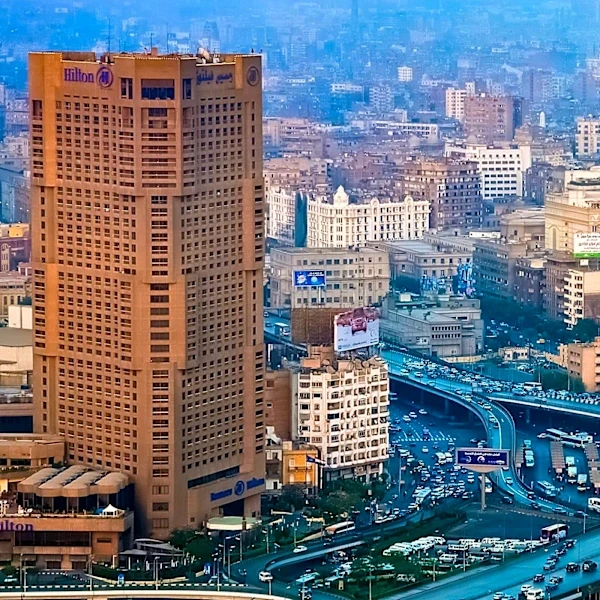
A new report by Hilton and Globetrender indicates a significant shift in traveler preferences, moving away from the pursuit of a 'perfect holiday' towards experiences tailored to individual needs. This trend highlights a growing desire among travelers
to plan trips on their own terms, with an increased interest in acquiring new skills while abroad. The research also notes a preference for shorter, more frequent getaways. A substantial 76% of travelers surveyed reported that having a trip booked provides them with a sense of purpose. Notably, younger generations, specifically Gen Z, are nearly twice as likely as Baby Boomers to seek holidays that allow them to return with a new hobby or interest they can continue at home. Travelers in Saudi Arabia and Germany are more inclined to consider trips of five to six days, or even longer, as 'short trips,' suggesting a broader acceptance of extended travel durations.
Why It's Important?
This evolving traveler mindset has significant implications for the U.S. travel and hospitality industries. Businesses that can adapt to these preferences for personalized, skill-building, and purpose-driven travel experiences are likely to gain a competitive advantage. The demand for shorter, more frequent breaks could lead to increased bookings for domestic destinations and weekend getaways, benefiting local economies. Furthermore, the emphasis on learning new skills presents opportunities for educational tourism providers, workshops, and cultural immersion programs. Companies that offer flexible booking options, customizable itineraries, and unique experiential packages will be better positioned to attract and retain customers. The shift away from traditional 'perfect holiday' expectations may also reduce pressure on travel providers to offer overly standardized or luxurious experiences, allowing for more diverse and authentic offerings. Those who fail to recognize and cater to these changing demands risk losing market share to more agile competitors.
What's Next?
In response to these trends, the travel industry is expected to further innovate its offerings. Airlines and hospitality providers may introduce more flexible booking options, personalized travel packages, and curated experiences that cater to specific interests, such as culinary tours, adventure sports, or artistic workshops. The focus on skill acquisition could lead to partnerships between travel companies and educational institutions or local artisans to offer unique learning opportunities. We may also see an increase in 'workation' packages that combine remote work with leisure and skill development. Travel agencies and online platforms will likely enhance their search functionalities to allow travelers to filter by specific interests, learning opportunities, and trip durations. Marketing strategies will need to emphasize the personal growth and purpose-driven aspects of travel, rather than solely focusing on relaxation or luxury. The industry will continue to monitor demographic shifts, particularly the preferences of Gen Z, to anticipate future travel demands.
Beyond the Headlines
The shift towards personalized and purpose-driven travel reflects broader societal changes, including a growing emphasis on self-improvement, mental well-being, and authentic experiences over material possessions. This trend suggests a deeper desire among individuals to use their leisure time for personal enrichment and meaningful engagement, rather than just escapism. The increased interest in acquiring new skills abroad could also foster greater cultural exchange and understanding, as travelers immerse themselves more deeply in local traditions and practices. This evolution in travel preferences may also contribute to more sustainable tourism practices, as travelers seek out authentic, locally-driven experiences that support local communities. The 'sense of purpose' derived from booking a trip highlights the psychological benefits of anticipation and planning, suggesting that travel is increasingly viewed as an integral part of a fulfilling life, rather than just an occasional indulgence. This could lead to a re-evaluation of how travel is integrated into work-life balance and personal development strategies.